Kirjojen hintavertailu – 12 859 824 kirjaa ja 27 kauppaa

Kirjailija

Sarah Moerman

Kirjat ja teokset yhdessä paikassa: 3 kirjaa, julkaisuja vuosilta 2024–2026, suosituimpiin kuuluu Composing Christ’s Passion. Vertaile teosten hintoja ja tarkista saatavuus suomalaisista kirjakaupoista.

3 kirjaa

Kirjojen julkaisuvuodet: 2024–2026.

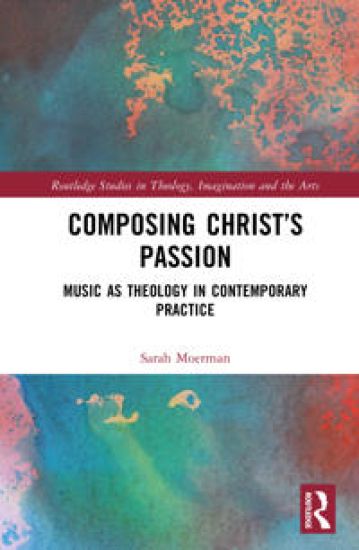
Composing Christ’s Passion

Composing Christ’s Passion

Sarah Moerman

TAYLOR FRANCIS LTD
2026
sidottu
This book provides an account of the differing theologies and compositional approaches of three current composers—James MacMillan, Arvo Pärt, and John Adams. It contributes a comparative theological and musical analysis of their work through case studies of three of their major compositions. The first part establishes the role of faith in James MacMillan’s musical inspiration, investigating how the suffering and death of Christ are direct and indirect themes in much of his work. It presents a close reading of St Luke Passion (2012), demonstrating how MacMillan uses music both as a theological practice of his faith as well as a means to communicate theological meaning. The second part considers Arvo Pärt and how his Estonian religious and political formation influenced his compositional style. It presents a brief Orthodox theology of the icon and argues that Pärt—as a composer—acts as an Orthodox iconographer, and that his Passio (1989) can be read and heard as an ‘aural icon’. The third part reframes the music of self-identified agnostic composer John Adams. It demonstrates how his music still provides theological insight, precipitating the possibility of God revealing something of himself to seekers, as well as compelling believers to interrogate their own theological assumptions. The author examines in detail The Gospel According to the Other Mary (2012), a contemporary reimagining of Christ’s passion through the eyes of women and ethnic minorities. The volume contributes comprehensive musical examples of how proposed methodological frameworks might be applied, arguing that different compositional styles and different faith backgrounds necessitate different musical and theological lenses. It will be of interest to scholars of both theology and music.
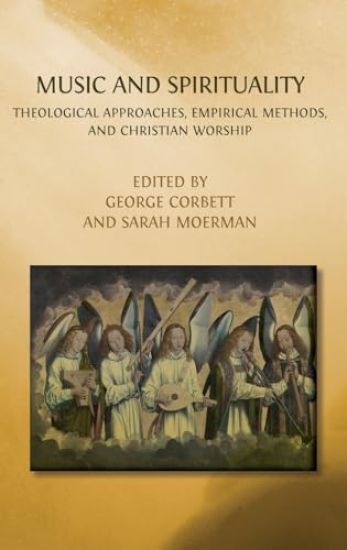
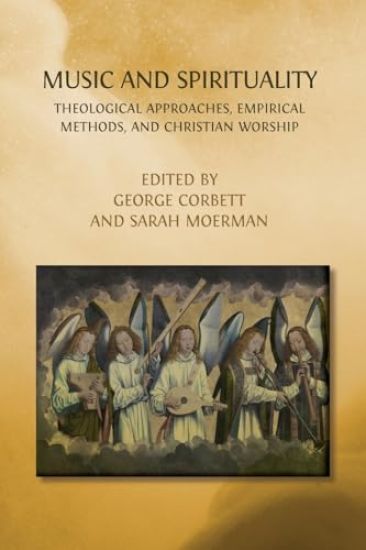
Music and Spirituality: Theological Approaches, Empirical Methods, and Christian Worship
The composer Sir James MacMillan has often referred to music as 'the most spiritual of the arts', and for many people, regardless of religious affiliation, this rings true. In listening to music, we are drawn to dimensions of human experience beyond the material. This collection brings together leading scholars from various disciplines - including Christian theology, musicology, and psychology and neuroscience - to interrogate the intimate relationship between music and spirituality. Organised in three parts - theological approaches, empirical methods, and Christian worship - the volume covers a vibrant array of topics. From examining how the Covid-19 pandemic has reshaped the profile of contemporary worship to investigating the spiritual effects of bodily positioning in liturgical spaces, from exploring spiritual experience through heart and breathing activity, electrodermal activity, and saliva samples to comparing the spiritual experiences of British Methodists with Welsh sporting fans, these essays attend to the lived reality of people's perceived spiritual experiences through music. This collection will be an invaluable resource for scholars in the growing field of Christian theology and music, and will serve as a cornerstone for future research at the intersection of theology, music, and psychology and neuroscience. It will also appeal to anyone curious about why music consistently, across cultures, occupies a unique space bridging the material and spiritual dimensions of human life.