Kirjojen hintavertailu – 12 859 819 kirjaa ja 27 kauppaa

Kirjailija

Sarah Ridley

Kirjat ja teokset yhdessä paikassa: 103 kirjaa, julkaisuja vuosilta 2011–2026, suosituimpiin kuuluu Beans to Chocolate. Vertaile teosten hintoja ja tarkista saatavuus suomalaisista kirjakaupoista.

103 kirjaa

Kirjojen julkaisuvuodet: 2011–2026.

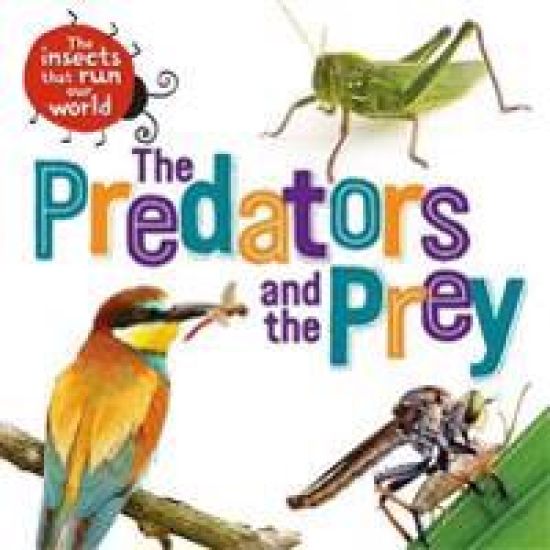
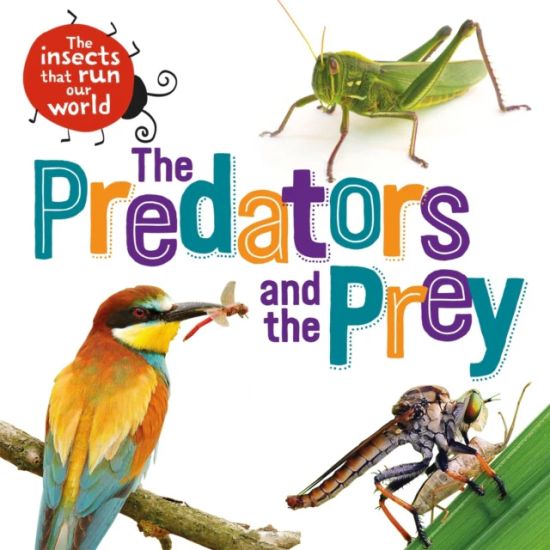
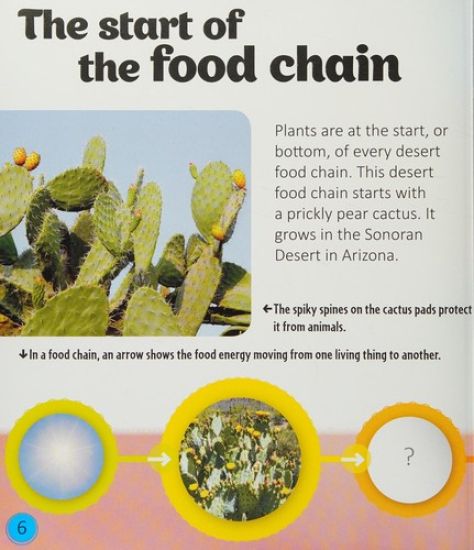
The Insects that Run Our World: The Predators and The Prey
Perfect for young children studying food chains in their science lessons, or for young minibeast fans, this book explores the importance of insects in food chains, from the tiny flies eaten by fish, birds, bats and amphibians, to the larger insects eaten by bigger animals, such as anteaters and badgers. Insects are an indispensible part of countless food chains. Alongside the simple text, fantastic close-up photographs show the insects at work. The book is part of a series, The Insects that Run Our World, for children aged 6 plus. The titles are: The Pollinators, The Decomposers, The Predators and the Prey and The Helpers and the Pests. The books include information about how insects are threatened by habitat changes and pollution and how we can help them.
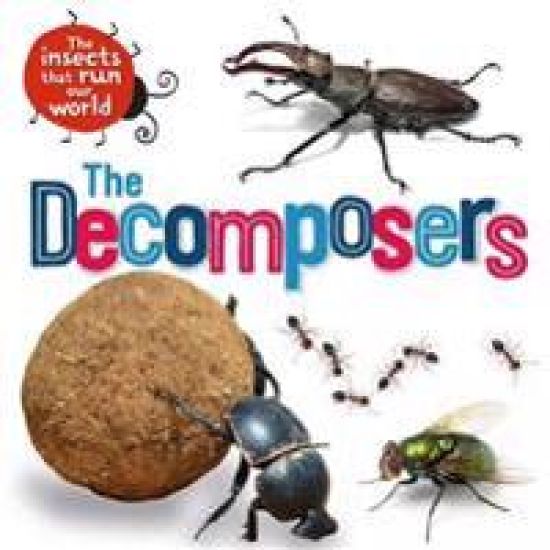
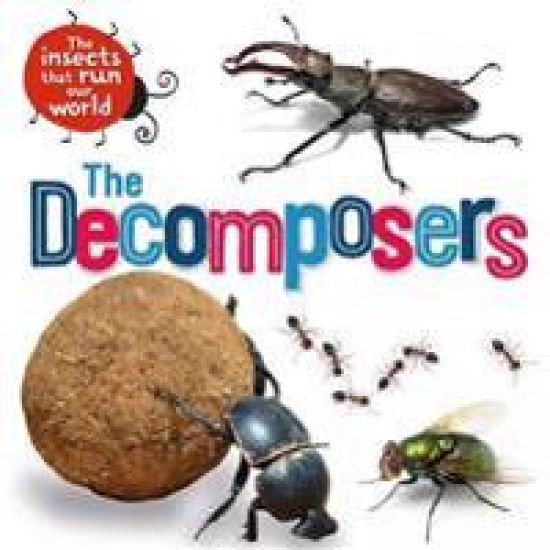
The Insects that Run Our World: The Decomposers
Perfect for young children studying living things and their habitats in their science lessons, or for young minibeast fans, this book explores the importance of insect decomposers such as the beetles that munch on dead trees, breaking them down and returning nutrients to the soil. It also looks at the flies that lay eggs on dead animals or food waste and whose grubs clean up these dead things to recycle their nutrients and clean up the planet. Then there are ants, collecting up crumbs of food to take back to their nests and the dung beetles that deal with - dung. Alongside the simple text, fantastic close-up photographs show the insects at work. The book is part of a series, The Insects that Run Our World, for children aged 6 plus. The titles are: The Pollinators, The Decomposers, The Predators and the Prey and The Helpers and the Pests. The books include information about how insects are threatened by habitat changes and pollution and how we can help them.
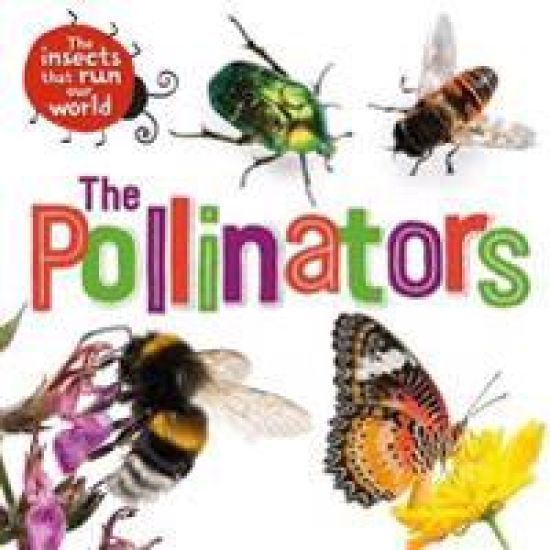
The Insects that Run Our World: The Pollinators
Perfect for young children studying living things and their habitats in their science lessons, or for young minibeast fans, this book explores the importance of pollinating insects. Pollinating insects allow countless wild and cultivated plants to make fruit and seeds. Bees, of course, are featured, but also wasps, the tiny flies that pollinate the cacao tree flowers, hoverflies, beetles, butterflies and more. Alongside the simple text, fantastic close-up photographs show the insects at work. The book is part of a series, The Insects that Run Our World, for children aged 6 plus. The titles are: The Pollinators, The Decomposers, The Predators and the Prey and The Helpers and the Pests. The books include information about how insects are threatened by habitat changes and pollution and how we can help them.
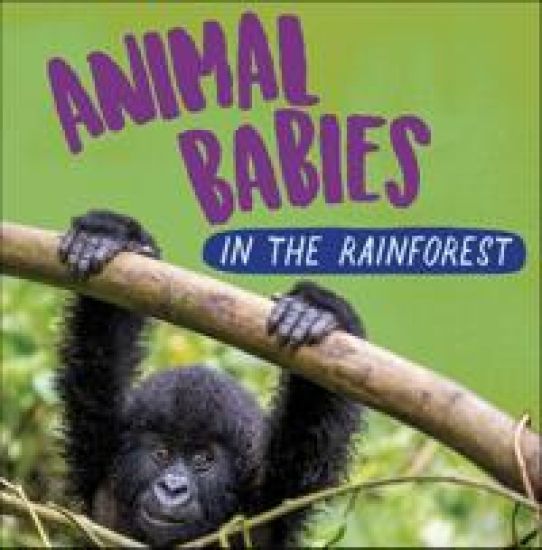
Animal Babies: In the Rainforest
Which baby animals are born in the rainforest? What are baby flying foxes called? What sound does a baby ring-tailed lemur make? This book introduces young children to baby animals in rainforest habitats, exploring how their parents look after them, and how they learn, grow and thrive. Clear and friendly text, suitable for children aged 5+, is complemented by beautiful photographs of animal babies in their natural environment. Part of the Animal Babies series looking at baby animals on farms, in the oceans and rainforests, and in snowy habitats.
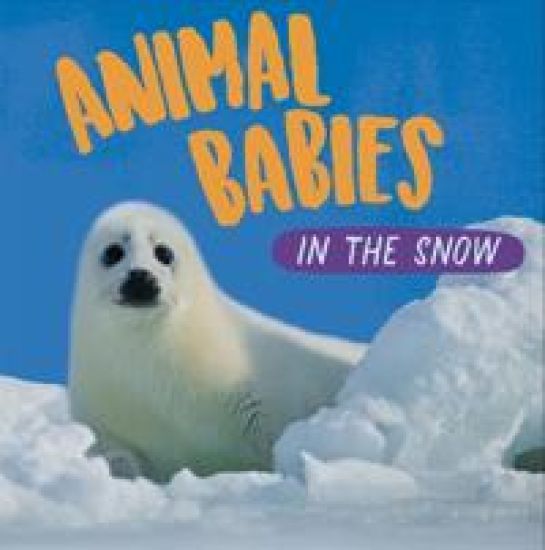
Animal Babies: In the Snow

Animal Babies: In the Snow

Sarah Ridley

Wayland
2021
sidottu
A look at baby animals in a range of habitats, exploring how their parents look after them, and how they learn, grow and thrive. Which baby animals are born in cold, snowy places? What are baby seals called? What sound does a polar bear cub make? This book introduces young children to baby animals in snowy habitats, exploring how their parents look after them, and how they learn, grow and thrive. Clear and friendly text, suitable for children aged 5+, is complemented by beautiful photographs of animal babies in their natural environment. Part of the Animal Babies series looking at baby animals on farms, in the oceans and rainforests, and in snowy habitats.
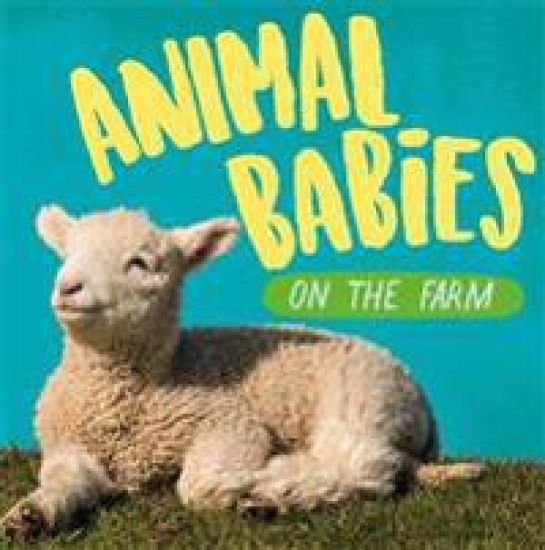
Animal Babies: On the Farm

Animal Babies: On the Farm

Sarah Ridley

Wayland
2021
sidottu
A look at baby animals in a range of habitats, exploring how their parents look after them, and how they learn, grow and thrive. Which baby animals are born on farms? What is a baby goose called? Which baby animals live in a den? This book introduces young children to baby animals on a farm, exploring how their parents look after them, and how they learn, grow and thrive. Clear and friendly text, suitable for children aged 5+, is complemented by beautiful photographs of animal babies in a farm environment. Part of the Animal Babies series looking at baby animals on farms, in the oceans and rainforests, and in snowy habitats.
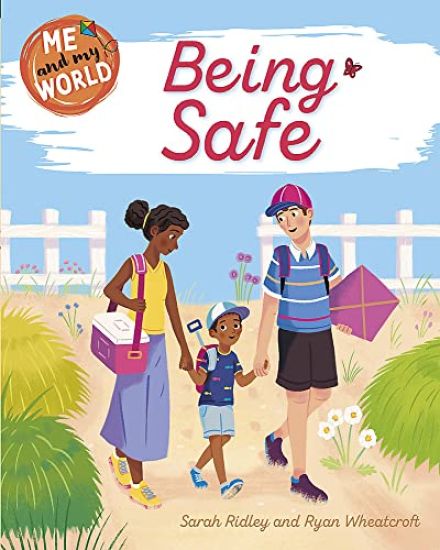
Me and My World: Being Safe

Me and My World: Being Safe

Sarah Ridley

Franklin Watts Ltd
2021
sidottu
This book is an ideal resource for exploring and discussing safety and includes topics such as stranger danger, staying safe outdoors, keeping your body safe, body privacy and staying safe online. Me and My World explores topics that are important to children aged 6 plus as they grow up. The text and illustrations provide lots of talking points and questions help children to relate information to themselves and discover their similarities and differences. In the classroom, the books are great for exploring the topics in the RSE 2020 curriculum. The titles in the series are Being safe, My behaviour, My family, My friends, My growing body and Life online.
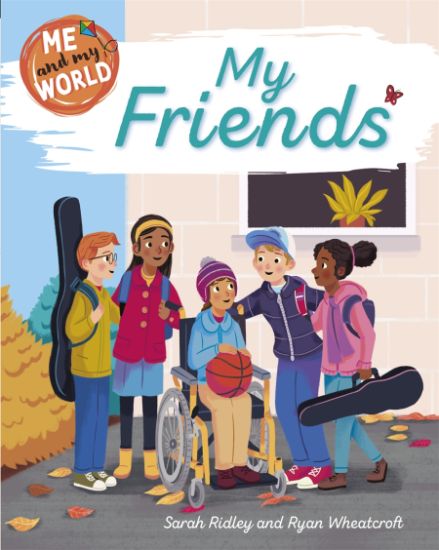
Me and My World: My Friends

Me and My World: My Friends

Sarah Ridley

Franklin Watts Ltd
2021
sidottu
This book is an ideal resource for exploring and discussing friendship relationships, exploring topics such as making friends, falling out, bullying, peer pressure, allyship, changing friendships and much more. Me and My World explores topics that are important to children aged 6 plus as they grow up. The text and illustrations provide lots of talking points and questions help children to relate information to themselves and discover their similarities and differences. In the classroom, the books are great for exploring the topics in the RSE 2020 curriculum. The titles in the series are Being safe, My behaviour, My family, My friends, My growing body and Life online.
Me and My World: Life Online

Me and My World: Life Online

Anne Rooney; Sarah Ridley

Franklin Watts Ltd
2021
sidottu
This book is an ideal resource for exploring and discussing online safety and includes topics such as using search engines, playing online games, cyber bullying, trolls and much more. Me and My World explores topics that are important to children aged 6 plus as they grow up. The text and illustrations provide lots of talking points, and questions help children to relate information to themselves and discover their similarities and differences. In the classroom, the books are great for exploring the topics in the RSE 2020 curriculum. The titles in the series are Being safe, My behaviour, My family, My friends, My growing body and Life online.
The Insects that Run Our World: The Predators and The Prey
Perfect for young children studying food chains in their science lessons, or for young minibeast fans, this book explores the importance of insects in food chains, from the tiny flies eaten by fish, birds, bats and amphibians, to the larger insects eaten by bigger animals, such as anteaters and badgers. Insects are an indispensible part of countless food chains. Alongside the simple text, fantastic close-up photographs show the insects at work. The book is part of a series, The Insects that Run Our World, for children aged 6 plus. The titles are: The Pollinators, The Decomposers, The Predators and the Prey and The Helpers and the Pests. The books include information about how insects are threatened by habitat changes and pollution and how we can help them.
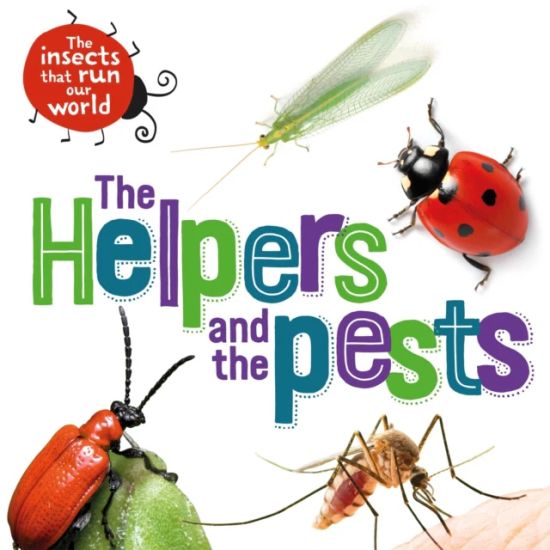
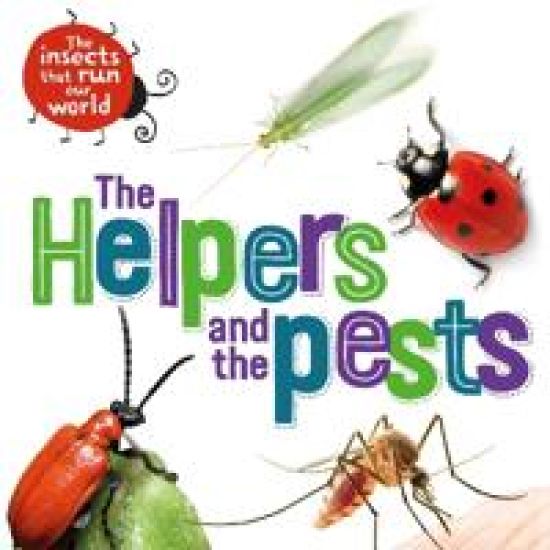
The Insects that Run Our World: The Helpers and the Pests
Perfect for young children studying living things and their habitats in their science lessons, or for young minibeast fans, this book explores insect helpers and pests. We need insects to survive - for pollination - and many are essential for pest control. But insects can be trouble, spreading disease or eating crops. Then there are the 'useful' insects - that make silk or shellac, or for dyes and wax. Insect design is also an inspiration to inventors and researchers, such as those inspired by the strength of spider webs to unlock other strong materials, or investigate how mealworms are able to eat plastic. Alongside the simple text, fantastic close-up photographs show the insects at work. The book is part of a series, The Insects that Run Our World, for children aged 6 plus. The titles are: The Pollinators, The Decomposers, The Predators and the Prey and The Helpers and the Pests. The books include information about how insects are threatened by habitat changes and pollution and how we can help them.
The Insects that Run Our World: The Decomposers
Perfect for young children studying living things and their habitats in their science lessons, or for young minibeast fans, this book explores the importance of insect decomposers such as the beetles that munch on dead trees, breaking them down and returning nutrients to the soil. It also looks at the flies that lay eggs on dead animals or food waste and whose grubs clean up these dead things to recycle their nutrients and clean up the planet. Then there are ants, collecting up crumbs of food to take back to their nests and the dung beetles that deal with - dung. Alongside the simple text, fantastic close-up photographs show the insects at work. The book is part of a series, The Insects that Run Our World, for children aged 6 plus. The titles are: The Pollinators, The Decomposers, The Predators and the Prey and The Helpers and the Pests. The books include information about how insects are threatened by habitat changes and pollution and how we can help them.