Kirjojen hintavertailu – 12 903 725 kirjaa ja 27 kauppaa
Kirjailija
Sarah Tytler
Kirjat ja teokset yhdessä paikassa: 203 kirjaa, julkaisuja vuosilta 2004–2026, suosituimpiin kuuluu The Old Masters and Their Pictures. Vertaile teosten hintoja ja tarkista saatavuus suomalaisista kirjakaupoista.
The Huguenot Family - Vol. 3 is an unchanged, high-quality reprint of the original edition of 1867. Hansebooks is editor of the literature on different topic areas such as research and science, travel and expeditions, cooking and nutrition, medicine, and other genres. As a publisher we focus on the preservation of historical literature. Many works of historical writers and scientists are available today as antiques only. Hansebooks newly publishes these books and contributes to the preservation of literature which has become rare and historical knowledge for the future.
The Huguenot Family - Vol. 1 is an unchanged, high-quality reprint of the original edition of 1867. Hansebooks is editor of the literature on different topic areas such as research and science, travel and expeditions, cooking and nutrition, medicine, and other genres. As a publisher we focus on the preservation of historical literature. Many works of historical writers and scientists are available today as antiques only. Hansebooks newly publishes these books and contributes to the preservation of literature which has become rare and historical knowledge for the future.
Beauty and the Beast - Vol. 3 is an unchanged, high-quality reprint of the original edition of 1884. Hansebooks is editor of the literature on different topic areas such as research and science, travel and expeditions, cooking and nutrition, medicine, and other genres. As a publisher we focus on the preservation of historical literature. Many works of historical writers and scientists are available today as antiques only. Hansebooks newly publishes these books and contributes to the preservation of literature which has become rare and historical knowledge for the future.
Sapphira - Vol. II is an unchanged, high-quality reprint of the original edition of 1890. Hansebooks is editor of the literature on different topic areas such as research and science, travel and expeditions, cooking and nutrition, medicine, and other genres. As a publisher we focus on the preservation of historical literature. Many works of historical writers and scientists are available today as antiques only. Hansebooks newly publishes these books and contributes to the preservation of literature which has become rare and historical knowledge for the future.
Beauty and the Beast - Vol. 2 is an unchanged, high-quality reprint of the original edition of 1884. Hansebooks is editor of the literature on different topic areas such as research and science, travel and expeditions, cooking and nutrition, medicine, and other genres. As a publisher we focus on the preservation of historical literature. Many works of historical writers and scientists are available today as antiques only. Hansebooks newly publishes these books and contributes to the preservation of literature which has become rare and historical knowledge for the future.
Saint Mung's City - A novel. Part 2 is an unchanged, high-quality reprint of the original edition of 1884. Hansebooks is editor of the literature on different topic areas such as research and science, travel and expeditions, cooking and nutrition, medicine, and other genres. As a publisher we focus on the preservation of historical literature. Many works of historical writers and scientists are available today as antiques only. Hansebooks newly publishes these books and contributes to the preservation of literature which has become rare and historical knowledge for the future.
Saint Mung's City - A novel. Part 3 is an unchanged, high-quality reprint of the original edition of 1884. Hansebooks is editor of the literature on different topic areas such as research and science, travel and expeditions, cooking and nutrition, medicine, and other genres. As a publisher we focus on the preservation of historical literature. Many works of historical writers and scientists are available today as antiques only. Hansebooks newly publishes these books and contributes to the preservation of literature which has become rare and historical knowledge for the future.
The Songstresses of Scotland is an unchanged, high-quality reprint of the original edition of 1871. Hansebooks is editor of the literature on different topic areas such as research and science, travel and expeditions, cooking and nutrition, medicine, and other genres. As a publisher we focus on the preservation of historical literature. Many works of historical writers and scientists are available today as antiques only. Hansebooks newly publishes these books and contributes to the preservation of literature which has become rare and historical knowledge for the future.
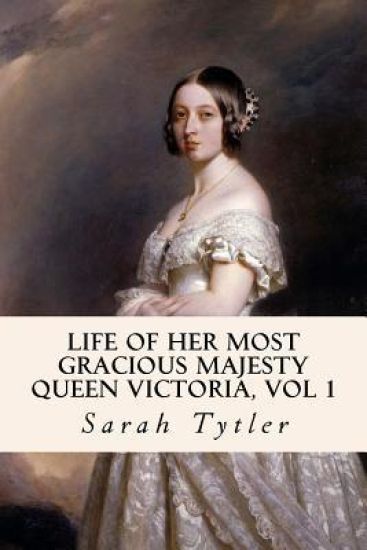
Life of Her Most Gracious Majesty Queen Victoria, Vol 1 is a classic Queen Victoria biography by Sarah Tytler. If the life-long friendship of my mother with her Majesty, Queen Victoria, which gained for me the honour of often seeing the Queen, or a deep feeling of loyalty and affection for our sovereign, which is shared by all her subjects, be accepted as a qualification, I gratefully respond to the call, but I feel that no written words of mine can add value to the following pages. Victoria (Alexandrina Victoria; 24 May 1819 - 22 January 1901) was Queen of the United Kingdom of Great Britain and Ireland from 20 June 1837 until her death. On 1 May 1876, she adopted the additional title of Empress of India. Victoria was the daughter of Prince Edward, Duke of Kent and Strathearn, the fourth son of King George III. Both the Duke of Kent and King George III died in 1820, and Victoria was raised under close supervision by her German-born mother, Princess Victoria of Saxe-Coburg-Saalfeld. She inherited the throne at the age of 18, after her father's three elder brothers had all died, leaving no surviving legitimate children. The United Kingdom was already an established constitutional monarchy, in which the sovereign held relatively little direct political power. Privately, Victoria attempted to influence government policy and ministerial appointments; publicly, she became a national icon who was identified with strict standards of personal morality. Victoria married her first cousin, Prince Albert of Saxe-Coburg and Gotha, in 1840. Their nine children married into royal and noble families across the continent, tying them together and earning her the sobriquet "the grandmother of Europe". After Albert's death in 1861, Victoria plunged into deep mourning and avoided public appearances. As a result of her seclusion, republicanism temporarily gained strength, but in the latter half of her reign her popularity recovered. Her Golden and Diamond Jubilees were times of public celebration. Her reign of 63 years and seven months was longer than that of any of her predecessors, and is known as the Victorian era. It was a period of industrial, cultural, political, scientific, and military change within the United Kingdom, and was marked by a great expansion of the British Empire. She was the last British monarch of the House of Hanover. Her son and successor, Edward VII, initiated the House of Saxe-Coburg and Gotha, the line of his father. According to one of her biographers, Giles St Aubyn, Queen Victoria wrote an average of 2,500 words a day during her adult life. 212] From July 1832 until just before her death, she kept a detailed journal, which eventually encompassed 122 volumes. 213] After Victoria's death, her youngest daughter, Princess Beatrice, was appointed her literary executor. Beatrice transcribed and edited the diaries covering Victoria's accession onwards, and burned the originals in the process. 214] Despite this destruction, much of the diaries still exist. In addition to Beatrice's edited copy, Lord Esher transcribed the volumes from 1832 to 1861 before Beatrice destroyed them. 215] Part of Victoria's extensive correspondence has been published in volumes edited by A. C. Benson, Hector Bolitho, George Earle Buckle, Lord Esher, Roger Fulford, and Richard Hough among others. 216] Queen Victoria was physically unprepossessing-she was stout, dowdy and only about five feet tall-but she succeeded in projecting a grand image. 217] She experienced unpopularity during the first years of her widowhood, but was well liked during the 1880s and 1890s, when she embodied the empire as a benevolent matriarchal figure. 218] Only after the release of her diary and letters did the extent of her political influence become known to the wider public. 98] 219] Biographies of Victoria written before much of the primary material became available, such as Lytton Strachey's Queen Victoria of 1921, are now considered out of date.
Life of Her Most Gracious Majesty Queen Victoria, Vol 1 is a classic Queen Victoria biography by Sarah Tytler. If the life-long friendship of my mother with her Majesty, Queen Victoria, which gained for me the honour of often seeing the Queen, or a deep feeling of loyalty and affection for our sovereign, which is shared by all her subjects, be accepted as a qualification, I gratefully respond to the call, but I feel that no written words of mine can add value to the following pages. Victoria (Alexandrina Victoria; 24 May 1819 - 22 January 1901) was Queen of the United Kingdom of Great Britain and Ireland from 20 June 1837 until her death. On 1 May 1876, she adopted the additional title of Empress of India. Victoria was the daughter of Prince Edward, Duke of Kent and Strathearn, the fourth son of King George III. Both the Duke of Kent and King George III died in 1820, and Victoria was raised under close supervision by her German-born mother, Princess Victoria of Saxe-Coburg-Saalfeld. She inherited the throne at the age of 18, after her father's three elder brothers had all died, leaving no surviving legitimate children. The United Kingdom was already an established constitutional monarchy, in which the sovereign held relatively little direct political power. Privately, Victoria attempted to influence government policy and ministerial appointments; publicly, she became a national icon who was identified with strict standards of personal morality. Victoria married her first cousin, Prince Albert of Saxe-Coburg and Gotha, in 1840. Their nine children married into royal and noble families across the continent, tying them together and earning her the sobriquet "the grandmother of Europe." After Albert's death in 1861, Victoria plunged into deep mourning and avoided public appearances. As a result of her seclusion, republicanism temporarily gained strength, but in the latter half of her reign her popularity recovered. Her Golden and Diamond Jubilees were times of public celebration. Her reign of 63 years and seven months was longer than that of any of her predecessors, and is known as the Victorian era. It was a period of industrial, cultural, political, scientific, and military change within the United Kingdom, and was marked by a great expansion of the British Empire. She was the last British monarch of the House of Hanover. Her son and successor, Edward VII, initiated the House of Saxe-Coburg and Gotha, the line of his father. According to one of her biographers, Giles St Aubyn, Queen Victoria wrote an average of 2,500 words a day during her adult life. 212] From July 1832 until just before her death, she kept a detailed journal, which eventually encompassed 122 volumes. 213] After Victoria's death, her youngest daughter, Princess Beatrice, was appointed her literary executor. Beatrice transcribed and edited the diaries covering Victoria's accession onwards, and burned the originals in the process. 214] Despite this destruction, much of the diaries still exist. In addition to Beatrice's edited copy, Lord Esher transcribed the volumes from 1832 to 1861 before Beatrice destroyed them. 215] Part of Victoria's extensive correspondence has been published in volumes edited by A. C. Benson, Hector Bolitho, George Earle Buckle, Lord Esher, Roger Fulford, and Richard Hough among others. 216] Queen Victoria was physically unprepossessing-she was stout, dowdy and only about five feet tall-but she succeeded in projecting a grand image. 217] She experienced unpopularity during the first years of her widowhood, but was well liked during the 1880s and 1890s, when she embodied the empire as a benevolent matriarchal figure. 218] Only after the release of her diary and letters did the extent of her political influence become known to the wider public. 98] 219] Biographies of Victoria written before much of the primary material became available, such as Lytton Strachey's Queen Victoria of 1921, are now considered out of date.