Kirjojen hintavertailu – 12 859 818 kirjaa ja 27 kauppaa

Kirjailija

Sari Katajala-Peltomaa

Kirjat ja teokset yhdessä paikassa: 7 kirjaa, julkaisuja vuosilta 2010–2026, suosituimpiin kuuluu Gender, Miracles, and Daily Life. Vertaile teosten hintoja ja tarkista saatavuus suomalaisista kirjakaupoista.

7 kirjaa

Kirjojen julkaisuvuodet: 2010–2026.

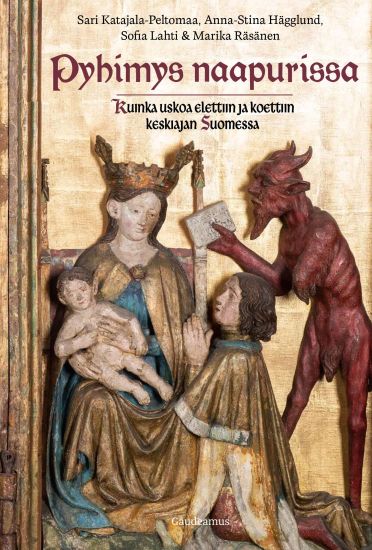
Pyhimys naapurissa

Pyhimys naapurissa

Sari Katajala-Peltomaa; Anna-Stina Hägglund; Sofia Lahti; Marika Räsänen

Gaudeamus
2026
sidottu

Halvin toimitettuna 33,90 €

Miksi Petrus Pethersonin vaimo lahjoitti pyhälle Katariinalle hopeiset rinnat? Mitä tekemistä pamahtavilla ruutipalloilla on autuaan Hemmingin kanssa? Pyhimys naapurissa kertoo aiemmin kuulematonta tarinaa uskonnollisista tavoista ja elämästä keskiajan Suomessa. Pyhimysten, taivaallisten naapureiden kanssa jaettiin ilot ja surut. Eletyssä uskossa olivat mukana tunteet, aistit ja ruumiillisuus. Teos tuo aikakauden ihmiset ja heidän värikkään arkensa lähelle meitä. Se selvittää, millaisia olivat suositut pyhiinvaellukset, millaisia lahjoja pyhimyksille annettiin ja miksi näin tehtiin. Millaisen muodon Neitsyt Marian kultti sai Suomessa, ja miten hänen kanssaan neuvoteltiin veistoksen välityksellä? Missä asioissa pyhimyksiltä pyydettiin apua? Teos hyödyntää lukuisia erilaisia lähteitä ja kuvaa elävästi keskiaikaisten ihmisten kokemuksia. Pyhimys naapurissa kyseenalaistaa väitteet keskiajan Suomesta ”puolipakanallisena maana”. Se osoittaa, että hallinnollisesta johtoasemastaan huolimatta kirkko ei kontrolloinut kaikkea, vaan keskiajan ihmisillä oli mahdollisuus elää uskoaan omannäköisillään tavoilla.
Verta vuotava kuva ja muita outoja ihmeitä

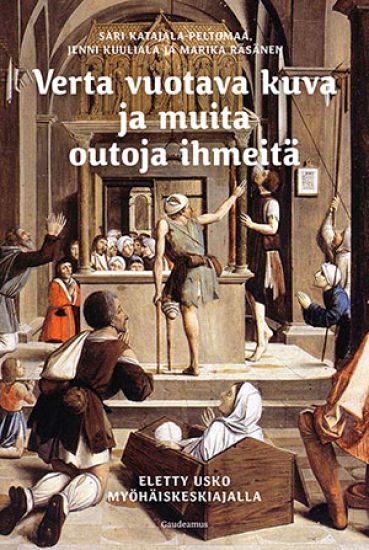
Verta vuotava kuva ja muita outoja ihmeitä

Sari Katajala-Peltomaa; Jenni Kuuliala; Marika Räsänen

Gaudeamus
2022
sidottu

Halvin toimitettuna 19,90 €

Myllärin mädäntynyt aasi virkoaa henkiin, raivopäisen mustasukkaisesta aviomiehestä sukeutuu säyseä ja rakastava puoliso ja vuolaaseen virtaan pudonnut pikkulapsi löytyy kolme päivää myöhemmin täysin vahingoittumattomana - mutta puhumaan oppineena. Hädän hetkellä keskiajan ihminen kääntyi pyhimysten puoleen. Pyhimykset välittivät jumalallista voimaa ja saivat aikaan ihmeitä - palauttivat sokeille näkökyvyn, korjasivat vääntyneitä raajoja, herättivät kuolleita henkiin. Vuorovaikutus heidän kanssaan oli erottamaton osa arkea. Verta vuotava kuva ja muita outoja ihmeitä uppoutuu ihmekokemusten, pyhimysten kunnioittamisen ja eletyn uskon suhteeseen myöhäiskeskiajan Euroopassa. Hätkähdyttävien, traagisten ja järkyttävien tapausten takaa paljastuu mitä moninaisimpia tarinoita ja kohtaloita. Niiden lisäksi tutuksi tulevat keskiaikaiset pyhimykset luostarijärjestön perustaja Birgitasta abbedissa Clara Montefalcolaiseen ja kuningas Ludvig IX:stä filosofi-teologi Tuomas Akvinolaiseen.
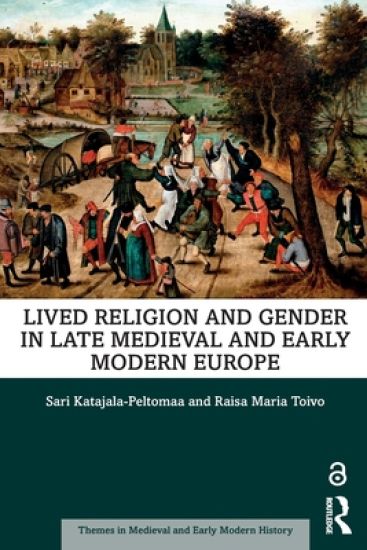
Lived Religion and Gender in Late Medieval and Early Modern Europe

Lived Religion and Gender in Late Medieval and Early Modern Europe

Sari Katajala-Peltomaa; Raisa Maria Toivo

Routledge
2020
sidottu
This study is an exploration of lived religion and gender across the Reformation, from the 14th–18th centuries. Combining conceptual development with empirical history, the authors explore these two topics via themes of power, agency, work, family, sainthood and witchcraft. By advancing the theoretical category of ‘experience’, Lived Religion and Gender reveals multiple femininities and masculinities in the intersectional context of lived religion. The authors analyse specific case studies from both medieval and early modern sources, such as secular court records, to tell the stories of both individuals and large social groups. By exploring lived religion and gender on a range of social levels including the domestic sphere, public devotion and spirituality, this study explains how late medieval and early modern people performed both religion and gender in ways that were vastly different from what ideologists have prescribed. Lived Religion and Gender covers a wide geographical area in western Europe including Italy, Scandinavia and Finland, making this study an invaluable resource for scholars and students concerned with the history of religion, the history of gender, the history of the family, as well as medieval and early modern European history. The Introduction chapter of this book is freely available as a downloadable Open Access PDF at http://www.taylorfrancis.com under a Creative Commons Attribution-Non Commercial-No Derivatives (CC-BY-NC-ND) 4.0 license.
Lived Religion and Gender in Late Medieval and Early Modern Europe

Lived Religion and Gender in Late Medieval and Early Modern Europe

Sari Katajala-Peltomaa; Raisa Maria Toivo

Routledge
2020
nidottu
This study is an exploration of lived religion and gender across the Reformation, from the 14th–18th centuries. Combining conceptual development with empirical history, the authors explore these two topics via themes of power, agency, work, family, sainthood and witchcraft. By advancing the theoretical category of ‘experience’, Lived Religion and Gender reveals multiple femininities and masculinities in the intersectional context of lived religion. The authors analyse specific case studies from both medieval and early modern sources, such as secular court records, to tell the stories of both individuals and large social groups. By exploring lived religion and gender on a range of social levels including the domestic sphere, public devotion and spirituality, this study explains how late medieval and early modern people performed both religion and gender in ways that were vastly different from what ideologists have prescribed. Lived Religion and Gender covers a wide geographical area in western Europe including Italy, Scandinavia and Finland, making this study an invaluable resource for scholars and students concerned with the history of religion, the history of gender, the history of the family, as well as medieval and early modern European history. The Introduction chapter of this book is freely available as a downloadable Open Access PDF at http://www.taylorfrancis.com under a Creative Commons Attribution-Non Commercial-No Derivatives (CC-BY-NC-ND) 4.0 license.
Demonic Possession and Lived Religion in Later Medieval Europe

Demonic Possession and Lived Religion in Later Medieval Europe

Sari Katajala-Peltomaa

Oxford University Press
2020
sidottu
Demonic possession was a spiritual state that often had physical symptoms; however, in Demonic Possession and Lived Religion in Later Medieval Europe, Sari Katajala-Peltomaa argues that demonic possession was a social phenomenon which should be understood with regard to the community and culture. She focuses on significant case studies from canonization processes (c. 1240-1450) which show how each set of sources formed its own specific context, in which demonic presence derived from different motivations, reasonings, and methods of categorization. The chosen perspective is that of lived religion, which is both a thematic approach and a methodology: a focus on rituals, symbols, and gestures, as well as sensitivity to nuances and careful contextualizing of the cases are constitutive elements of the argumentation. The analysis contests the hierarchy between the 'learned' and the 'popular' within religion, as well as the existence of a strict polarity between individual and collective religious participation. Demonic presence disclosed negotiations over authority and agency; it shows how the personal affected the communal, and vice versa, and how they were eventually transformed into discourses and institutions of the Church; that is, definitions of the miraculous and the diabolical. Geographically, the volume covers Western Europe, comparing Northern and Southern material and customs. The structure follows the logic of the phenomenon, beginning with the background reasons offered as a cause of demonic possession, continuing with communities' responses and emotions, including construction of sacred caregiving methods. Finally, the ways in which demonic presence contributed to wider societal debates in the fields of politics and spirituality are discussed. Alterity and inversion of identity, gender, and various forms of corporeality and the interplay between the sacred and diabolical are themes that run all through the volume.
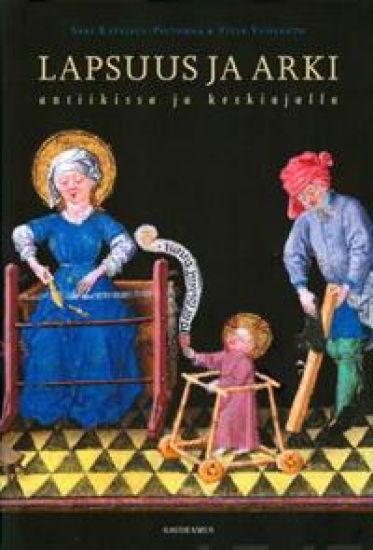
Lapsuus ja arki antiikissa ja keskiajalla

Lapsuus ja arki antiikissa ja keskiajalla

Sari Katajala-Peltomaa; Ville Vuolanto

Gaudeamus
2013
sidottu

Halvin toimitettuna 34,90 €

Teos lähestyy lasten kokemuksia antiikissa ja keskiajalla tarinoiden ja konkreettisten esimerkkien kautta. Mistä arki koostui, miten tytöt ja pojat käyttivät aikansa, ja millaisia iloja ja suruja elämään kuului? Usein ajatellaan, että lasten elämä antiikissa ja keskiajalla oli kurjaa ja heitä kohdeltiin julmasti. Vastakohdaksi esitetään valoisa ja sivistynyt nykyaika, joka korostaa lapsen oikeuksia. Lapsuus ja arki antiikissa ja keskiajalla osoittaa tuon käsityksen yksipuolisuuden. Lasten elämää luonnehti suhde vanhempiin ja muihin perheenjäseniin, leikki ja oppiminen niin koulussa kuin jokapäiväisissäkin askareissa - kuten nykyäänkin. Toisaalta lasten tekemä työ ja uskonto arjen rytmittäjänä tekevät vanhan maailman lapsuudesta meille vieraan. Teos tuo esille lasten omia näkökulmia ja kokemuksia sekä vertailee elämää Rooman valtakunnassa ja sydänkeskiajalla. Elämänmakuisten esimerkkiensä ansiosta kirja on kiinnostavaa luettavaa. Se on ensimmäinen laaja suomeksi tehty tutkimus aiheesta, ja sen näkökulmat ovat kansainvälisestikin uraa uurtavia.
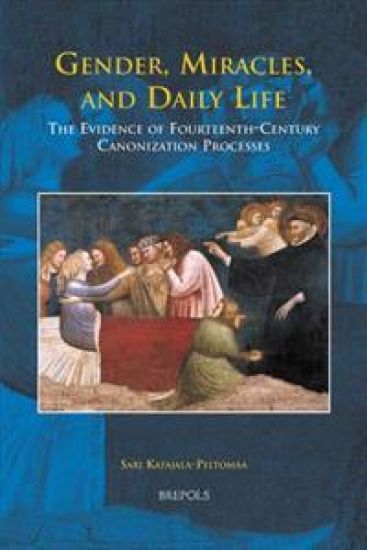
Gender, Miracles, and Daily Life

Gender, Miracles, and Daily Life

Sari Katajala-Peltomaa

Brepols N.V.
2010
sidottu
Interaction with the saints was central to the everyday life of medieval Christians. The process of praying to a heavenly intercessor not only involved private devotion but was also intrinsically connected with society at large. It required the individual to communicate and negotiate both with the saint and within a group of devotees, thereby exposing social processes such as community dynamics and the construction of gender. Considering these issues and others, Gender, Miracles, and Daily Life focuses on the depositions of the canonization processes of Thomas Cantilupe (1307) and Nicholas of Tolentino (1325). It explores how ordinary laypeople understood the daily responsibilities that determined their relationship to the saints and articulates how their shared narratives contributed to the rituals which surrounded a miracle. This material has been little explored by scholars, yet offers a vivid and colourful insight into the world of men and women in the fourteenth century.