Kirjojen hintavertailu – 12 903 725 kirjaa ja 27 kauppaa

Kirjailija

Sarina Chugani Molina

Kirjat ja teokset yhdessä paikassa: 7 kirjaa, julkaisuja vuosilta 2013–2026, suosituimpiin kuuluu Decolonizing English Language Education. Vertaile teosten hintoja ja tarkista saatavuus suomalaisista kirjakaupoista.

7 kirjaa

Kirjojen julkaisuvuodet: 2013–2026.

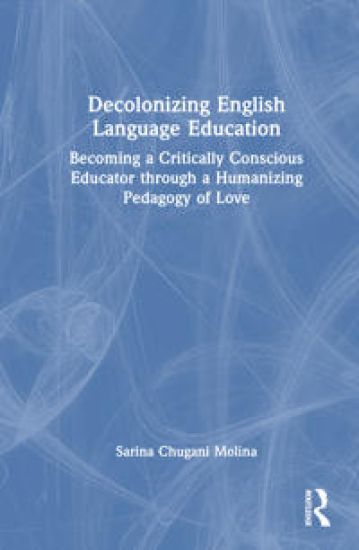
Decolonizing English Language Education

Decolonizing English Language Education

Sarina Chugani Molina

TAYLOR FRANCIS LTD
2026
sidottu
Decolonising English Language Education offers a grounded introduction to decolonial practices in language learning. It invites readers to problematise and rethink English language education by uncovering its deep ties to colonial history and imagining new, more humanizing possibilities for the contemporary classroom. Spanning histories of empire to present-day policies and practices, this book traces how English has been commonly associated with power, opportunity, and mobility, while also perpetuating inequality and marginalization. Molina guides teachers through a reflective and methodical journey: first understanding how colonial legacies shape language education, then moving toward decolonizing one’s own consciousness, and ultimately adopting practical strategies for a transformative pedagogy rooted in critical, decolonial love. Drawing on the author’s own experience and insights from Indigenous knowledge systems and critical traditions, this book emphasizes the importance of love, spirituality, and relationality in language teacher education. Case studies and hands-on examples highlight how teachers can use translingual, multimodal, and culturally sustaining practices to affirm learners’ diverse identities and gifts. This book effectively re-imagines language teaching not just as skills-based instruction but as a moral and transformative endeavour. By incorporating decolonial practice and reflection into research, this book is ideal for policy makers, scholars, and teachers alike. It is a valuable resource for applied linguistics, language acquisition, SLA theory and methodology, and practical courses offering work placements.
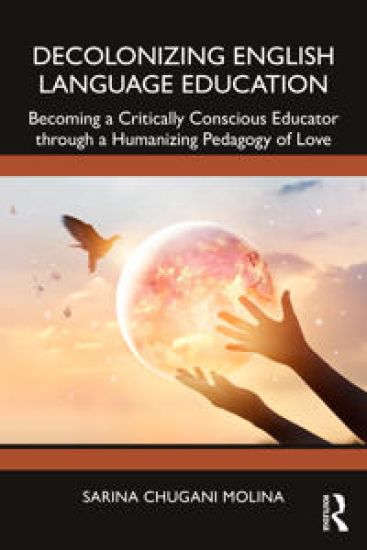
Decolonizing English Language Education

Decolonizing English Language Education

Sarina Chugani Molina

TAYLOR FRANCIS LTD
2026
nidottu
Decolonising English Language Education offers a grounded introduction to decolonial practices in language learning. It invites readers to problematise and rethink English language education by uncovering its deep ties to colonial history and imagining new, more humanizing possibilities for the contemporary classroom. Spanning histories of empire to present-day policies and practices, this book traces how English has been commonly associated with power, opportunity, and mobility, while also perpetuating inequality and marginalization. Molina guides teachers through a reflective and methodical journey: first understanding how colonial legacies shape language education, then moving toward decolonizing one’s own consciousness, and ultimately adopting practical strategies for a transformative pedagogy rooted in critical, decolonial love. Drawing on the author’s own experience and insights from Indigenous knowledge systems and critical traditions, this book emphasizes the importance of love, spirituality, and relationality in language teacher education. Case studies and hands-on examples highlight how teachers can use translingual, multimodal, and culturally sustaining practices to affirm learners’ diverse identities and gifts. This book effectively re-imagines language teaching not just as skills-based instruction but as a moral and transformative endeavour. By incorporating decolonial practice and reflection into research, this book is ideal for policy makers, scholars, and teachers alike. It is a valuable resource for applied linguistics, language acquisition, SLA theory and methodology, and practical courses offering work placements.
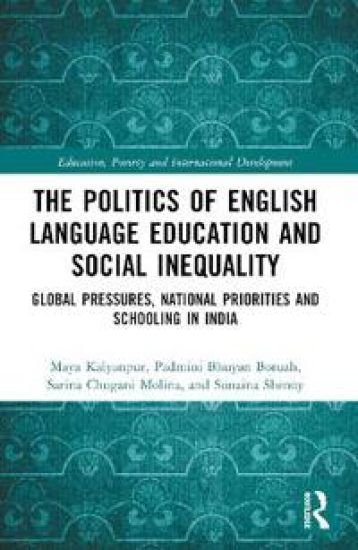
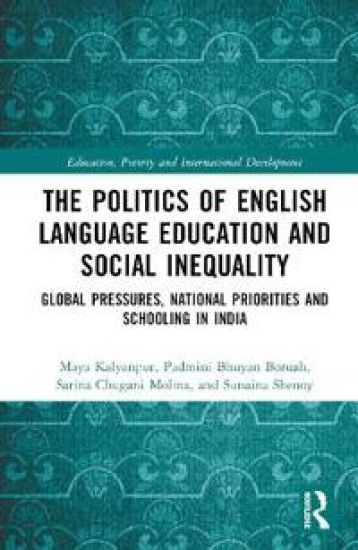
The Politics of English Language Education and Social Inequality

The Politics of English Language Education and Social Inequality

Maya Kalyanpur; Padmini Bhuyan Boruah; Sarina Chugani Molina; Sunaina Shenoy

TAYLOR FRANCIS LTD
2022
nidottu
Based on policy analysis and empirical data, this book examines the problematic consequences of colonial legacies of language policies and English language education in the multilingual contexts of the Global South. Using a postcolonial lens, the volume explores the raciolinguistics of language hierarchies that results in students from low-income backgrounds losing their mother tongues without acquiring academic fluency in English. Using findings from five major research projects, the book analyzes the specific context of India, where ambiguous language policies have led to uneasy tensions between the colonial language of English, national and state languages, and students’ linguistic diversity is mistaken for cognitive deficits when English is the medium of instruction in schools. The authors situate their own professional and personal experiences in their efforts at dismantling postcolonial structures through reflective practice as teacher educators, and present solutions of decolonial resistance to linguistic hierarchies that include critical pedagogical alternatives to bilingual education and opportunities for increased teacher agency. Ultimately, this timely volume will appeal to researchers, scholars, academics, and students in the fields of international and comparative education, English and literacy studies, and language arts more broadly. Those interested in English language learning in low-income countries specifically will also find this book to be of benefit to their research.
The Politics of English Language Education and Social Inequality

The Politics of English Language Education and Social Inequality

Maya Kalyanpur; Padmini Bhuyan Boruah; Sarina Chugani Molina; Sunaina Shenoy

TAYLOR FRANCIS LTD
2022
sidottu
Based on policy analysis and empirical data, this book examines the problematic consequences of colonial legacies of language policies and English language education in the multilingual contexts of the Global South. Using a postcolonial lens, the volume explores the raciolinguistics of language hierarchies that results in students from low-income backgrounds losing their mother tongues without acquiring academic fluency in English. Using findings from five major research projects, the book analyzes the specific context of India, where ambiguous language policies have led to uneasy tensions between the colonial language of English, national and state languages, and students’ linguistic diversity is mistaken for cognitive deficits when English is the medium of instruction in schools. The authors situate their own professional and personal experiences in their efforts at dismantling postcolonial structures through reflective practice as teacher educators, and present solutions of decolonial resistance to linguistic hierarchies that include critical pedagogical alternatives to bilingual education and opportunities for increased teacher agency. Ultimately, this timely volume will appeal to researchers, scholars, academics, and students in the fields of international and comparative education, English and literacy studies, and language arts more broadly. Those interested in English language learning in low-income countries specifically will also find this book to be of benefit to their research.