
Kirjailija
Saul David
Kirjat ja teokset yhdessä paikassa: 33 kirjaa, julkaisuja vuosilta 2000–2027, suosituimpiin kuuluu Crucible of Hell. Vertaile teosten hintoja ja tarkista saatavuus suomalaisista kirjakaupoista.
33 kirjaa
Kirjojen julkaisuvuodet: 2000–2027.
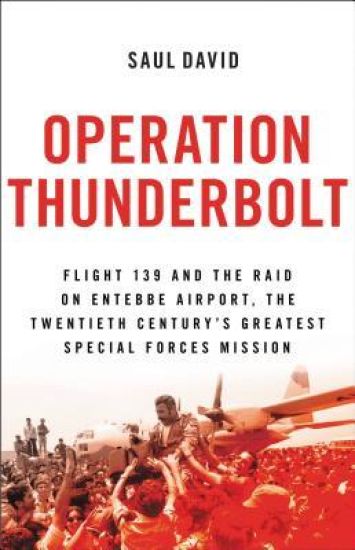
Operation Thunderbolt: Flight 139 and the Raid on Entebbe Airport, the Most Audacious Hostage Rescue Mission in History
Saul David
Back Bay Books
2017
nidottu
The definitive account of one of the greatest Special Forces missions ever, the Raid of Entebbe, by acclaimed military historian Saul David. On June 27, 1976, an Air France flight from Tel Aviv to Paris was hijacked by a group of Arab and German terrorists who demanded the release of 53 terrorists. The plane was forced to divert to Entebbe, in Uganda -- ruled by the murderous despot Idi Amin, who had no interest in intervening. Days later, Israeli commandos disguised as Ugandan soldiers assaulted the airport terminal, killed all the terrorists, and rescued all the hostages but three who were killed in the crossfire. The assault force suffered just one fatality: its commander, Yoni Netanyahu (brother of Israel's Prime Minister.) Three of the country's greatest leaders -- Ehud Barak, Shimon Peres and Yitzhak Rabin -- planned and pulled off one of the most astonishing military operations in history.
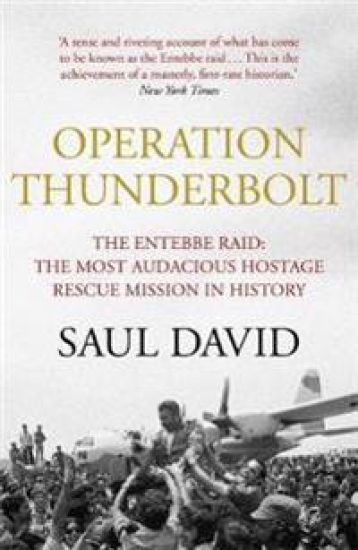
*By the historical consultant to the major motion picture Entebbe*'The definitive work on the subject.... This is the achievement of a masterly, first-rate historian' New York Times Book Review'It's a brilliantly orchestrated book, wonderfully rich in detail, but at the same time roaring along at a heart-thumping pace...' Mail on Sunday'A brilliant, breathless account that reads like the plot of an action movie.' Sunday TelegraphThis edition is updated with new material on recent discoveries. On 3 July 1976 Israeli Special Forces carried out a daring raid to free more than a hundred Israeli, French and US hostages held by German and Palestinian terrorists at Entebbe Airport, Uganda. The legacy of this mission is still felt today in the way Western governments respond to terrorist blackmail. Codenamed Thunderbolt, the operation carried huge risks. The flight was a challenge: 2,000 miles with total radio silence over hostile territory to land in darkness at Entebbe Airport in Idi Amin's Uganda. On the ground, the Israeli commandos had just three minutes to carry out their mission. They had to evade a cordon of élite Ugandan paratroopers, storm the terminal and free more than a hundred hostages. So much could have gone wrong: the death of the hostages if the terrorists got wind of the assault; or the capture of Israel's finest soldiers if their Hercules planes could not take off. Both would have been a human and a PR catastrophe. Now, with the mission largely forgotten or even unknown to many, Saul David gives the first comprehensive account of Operation Thunderbolt using classified documents from archives in four countries and interviews with key participants, including Israeli soldiers and politicians, hostages, a member of the Kenyan government and a former terrorist. Both a thrilling page-turner and a major piece of historical detective work, Operation Thunderbolt shows how the outcome of Israel's most famous military operation depended on secret diplomacy, courage and luck-and was in the balance right up to the very last moment.
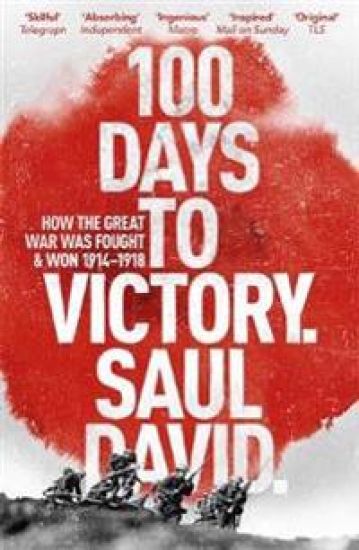
100 Days to Victory: How the Great War Was Fought and Won 1914-1918
Saul David; Saul David Ltd
Hodder Paperback
2014
pokkari
Saul David's 100 DAYS TO VICTORY is a totally original, utterly engaging account of the Great War - the first book to tell the story of the 'war to end all wars' through the events of one hundred key days between 1914 and 1918. The history of any war is more than a list of key battles and Saul David shows vividly how the First World War reached beyond the battlefield, touching upon events and lives which shaped the conduct and outcome of the conflict. Ranging from the young Adolf Hitler's reaction to the assassination of Archduke Ferdinand, through a Zeppelin raid on Scarborough, the tragic dramas of Gallipoli and the battlefields of the Western Front to the individual bravery of the first Indian VC, Saul David brings people and events dramatically to life. 100 DAYS TO VICTORY is a 360 degree portrait of a global conflict that stretched east from the shores of Britain to the marshes of Iraq, and south from the forests of Russia to the bush of German South East Africa. Throughout his gripping narrative we hear the voices of men and women both eminent and ordinary, some who were spectators on the Home Front, others - including Saul David's own family - who were deeply embroiled in epic battles that changed the world forever. 100 DAYS TO VICTORY is the work of a great historian and supreme story teller. Most importantly, it is also an enthralling tribute to a generation whose sacrifice should never be forgotten.
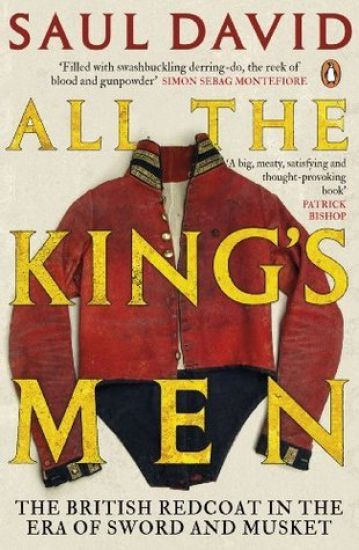
Saul David's All The King's Men is a thrilling history of the British Redcoat from the English Civil War to Waterloo. Between 1660 and 1815 British supremacy on foreign soil was near total. Central to this success was the humble redcoat soldier who showed heroism in battle and stoicism in peace, despite appalling treatment. This is their story: of brutal discipline and inedible food, of loyalty and low pay, of barracks and battlefield - of victory, defeat, life and death. Praise for All The King's Men:'An extraordinary story, packed with drama, incident and great characters... All The King's Men is all you could hope for... Quite an achievement', Patrick Bishop, Country Life'A heady mixture of heroism, incompetence, devilish tactics and plain good luck', Sunday Times 'Filled with swashbuckling derring-do, the reek of blood and gunpowder, combined with shrewd analysis of power, war and psychology', Simon Sebag Montefiore Saul David is Professor of War Studies at the University of Buckingham and the author of several critically acclaimed books, including The Indian Mutiny: 1857, Zulu and, most recently, Victoria's Wars: The Rise of Empire. He recently presented 'Bullets, Boots and Bandages' for BBC 4 and is a regular contributor to Radio 4.
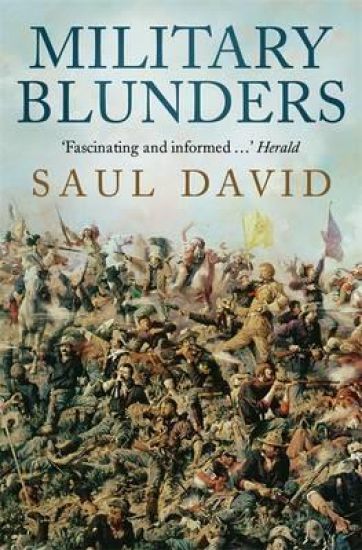
Retelling the most spectacular cock-ups in military history, this graphic account has a great deal to say about the psychology of military incompetence and the reasons even the most well-oiled military machines inflict disaster upon themselves. It analyses why things go wrong on the battlefield and who is to blame.
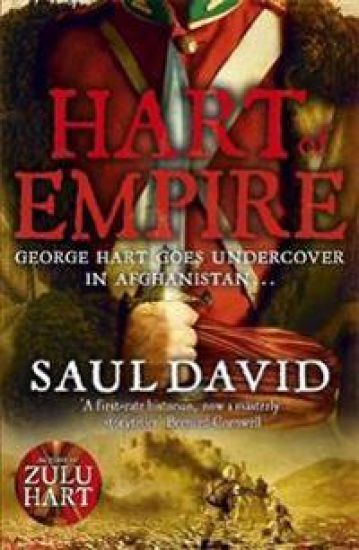
Back in England following his heroics in the Zulu Wars, George Hart is summoned to a new adventure when Prime Minister Disraeli asks him to go on a secret mission to Afghanistan, where the British fear Muslim extremists are poised to overthrow the local ruler and threaten the jewel in the Imperial crown, India. Hart has severe misgivings. Always an outsider in British society, he doesn't like Whitehall's arrogant way of meddling in other people's religious and political affairs, but desperate for money, he takes the job and descends the Khyber Pass into a strange and violent land. When his warnings are ignored by the pompous British Resident in Kabul, a terrible massacre occurs and soon Hart is on the run with a beautiful Afghan princess, in a race to prevent an uprising and head off a catastrophic British invasion.
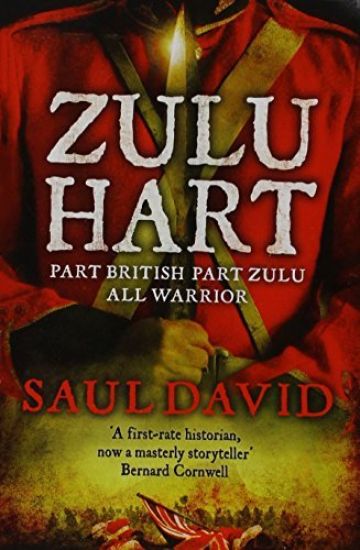
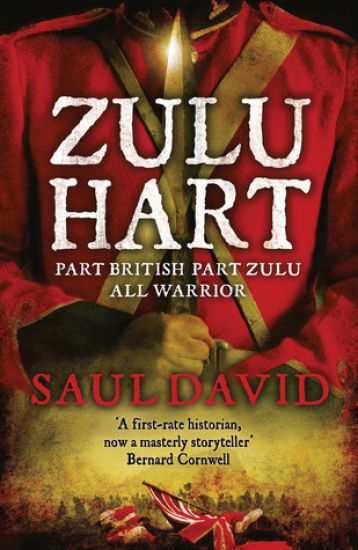
'Gems like this are too rare. I was hooked in ten pages.' Conn IgguldenGEORGE HART just wants to serve his Queen and honour his family. It's not that simple. BASTARDHe doesn't know his father, only that he's a pillar of the Establishment. His beloved mother is half Irish, half Zulu. ZULU In a Victorian society rife with racism and prejudice, George's dark skin spells trouble to his regimental commander. WARRIORBut George has soldiering in his blood - the only question is what he's really fighting for: ancestry or Empire. In the heat of battle he must decide . . .
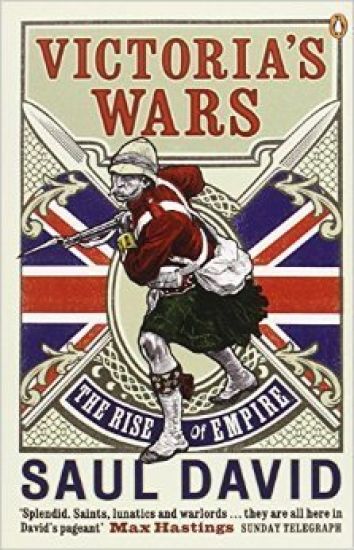
In Victoria's Wars: The Rise of Empire Saul David explores the early part of Queen Victoria's reign,when the British Empire was well on the way to becoming the greatest empire the world had ever seen. This is the story of how it happened and the people who made it happen. In a fast-moving narrative ranging from London to the harsh terrain of India, Russia and the Far East, Saul David shows how Britain ruthlessly exploited her position as the world's only superpower to expand her empire. Yet little of this territorial acquisition was planned or sanctioned by the home government. Instead it was largely the work of the men on the ground, and to those at home it really did seem that the empire was acquired in a 'fit of absence of mind'. Saul David creates a vivid portrait of life on the violent fringes of empire, and of the seemingly endless and brutal wars that were fought in the name of trade, civilization and the balance of power.'Splendid . . . a terrific treasure-chest of anecdotes . . . a splendidly brisk, cool and judicious narrator' Daily Telegraph 'Incisive and acute . . . thorough and occasionally revelatory, [David] always finds a telling phrase, an eye-catching detail or a human story' Sunday Times Saul David is Professor of War Studies at the University of Buckingham and the author of several critically acclaimed history books, including The Indian Mutiny: 1857 (shortlisted for the Westminster Medal for Military Literature), Zulu: The Heroism and Tragedy of the Zulu War of 1879 (a Waterstone's Military History Book of the Year) and, most recently, Victoria's Wars: The Rise of Empire.
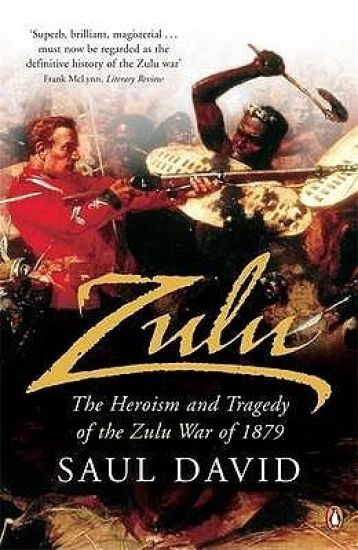
Saul David's Zulu: The Heroism and Tragedy of the Zulu War of 1879 is a fascinating look at the most controversial and brutal British imperial conflict of the nineteenth century. The real story of the Anglo-Zulu war was one of deception, dishonour, incompetence and dereliction of duty by Lord Chelmsford who invaded Zululand without the knowledge of the British Government. But it did not go to plan and there were many political repercussions. Using new material from archives in Britain and South Africa, Saul David blows the lid on this most sordid of imperial wars and comes to a number of startling new conclusions.'Saul David's brilliant and magisterial account must now be regarded as the definitive history of the Zulu War' Frank McLynn, Literary Review'This meticulously detailed book...give[s] a fully rounded and judicious account of this dismal conflict Guardian'Fascinating, thrilling, convincing... reads like a novel' EconomistSaul David is Professor of War Studies at the University of Buckingham and the author of several critically acclaimed history books, including The Indian Mutiny: 1857 (shortlisted for the Westminster Medal for Military Literature), Zulu: The Heroism and Tragedy of the Zulu War of 1879 (a Waterstone's Military History Book of the Year) and, most recently, Victoria's Wars: The Rise of Empire.
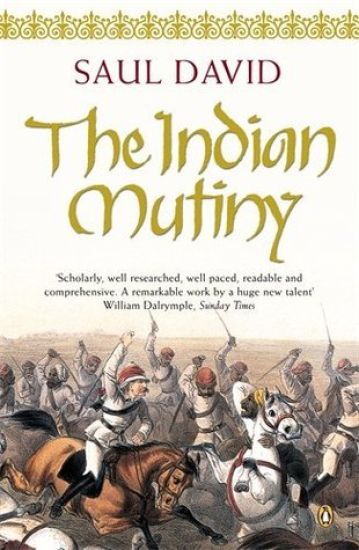
In The Indian Mutiny: 1857 Saul David explores one of Britain's most harrowing colonial battles. In 1857 the native troops of the Bengal army rose against their colonial masters. The ensuing insurrection was to become the bloodiest in the history of the British Empire. Combining formidable storytelling with ground-breaking research, Saul David narrates a tale at once heart-rendingly tragic and extraordinarily compelling. David provides new and convincing evidence that the true causes of the mutiny were much more complex, and disturbing, than previously assumed.'A fine achievement by a huge new talent' William Dalrymple, Sunday TimesSaul David is Professor of War Studies at the University of Buckingham and the author of several critically acclaimed history books, including The Indian Mutiny: 1857 (shortlisted for the Westminster Medal for Military Literature), Zulu: The Heroism and Tragedy of the Zulu War of 1879 (a Waterstone's Military History Book of the Year) and, most recently, Victoria's Wars: The Rise of Empire.
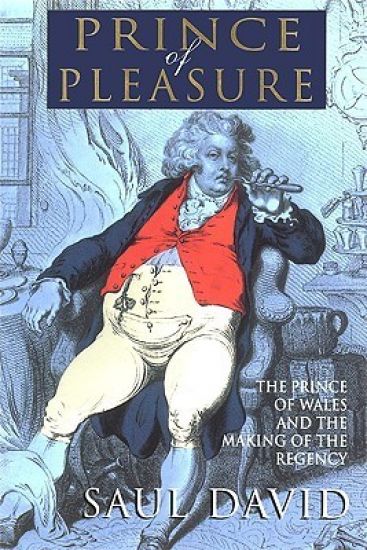
The Prince of Pleasure is the immaculately researched and engaging story of George IV (1762-1830), a rakish and contradictory figure who became one of the most controversial and outrageous monarchs in British history. Critically acclaimed biographer Saul David has captured the passions and foibles of this monarch -- infamous for being overweight, overdressed, and oversexed -- who epitomized England's regency period. George IV was marked throughout his life by financial ruin and domestic entanglements. Though known primarily for his scandalous lifestyle, he was also a man of high intelligence with a great appreciation for art and literature. In addition to encouraging the works of both Jane Austen and Sir Walter Scott, as well as purchasing the Elgin Marbles, he promoted England's Regency style of architecture. In fast-moving and incisive prose, Saul David paints a brilliantly detailed portrait of the Regency period.