Kirjojen hintavertailu – 12 859 828 kirjaa ja 27 kauppaa

Kirjailija

Sauro Gelichi

Kirjat ja teokset yhdessä paikassa: 3 kirjaa, julkaisuja vuosilta 2004–2026, suosituimpiin kuuluu Il Santuario Di San Michele a Olevano Sul Tusciano: Culto Dei Santi E Pellegrinaggi Nell'altomedioevo (Secc. VI-XI): Atti del Convegno Internazionale. Vertaile teosten hintoja ja tarkista saatavuus suomalaisista kirjakaupoista.

3 kirjaa

Kirjojen julkaisuvuodet: 2004–2026.

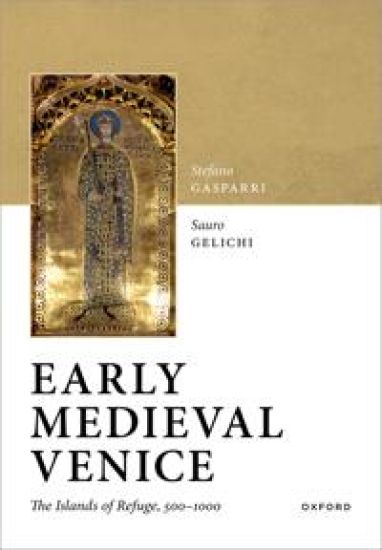
Early Medieval Venice

Early Medieval Venice

Stefano Gasparri; Sauro Gelichi

Oxford University Press
2026
sidottu
Among the many myths surrounding Venice's origins is the legend that it was founded by refugees fleeing to the lagoon to escape barbarians. Early Medieval Venice draws on written sources and archaeological evidence to deconstruct the myths and provide a thorough history of the birth of one of the world's most famous cities. During the sixth to eighth centuries, the Venetian duchy developed slowly from Byzantine military structures and fought to assert its autonomy against the powers of the Lombard kingdom and Carolingian empire on the Italian mainland, as well as the threat from the Slavs and the Saracens in the east. A political community slowly formed, which, during the ninth and tenth centuries, laid the foundations for the extraordinary commercial growth of the Venetian duchy. In this latter period, the city of Venice was born in Rialto, winning out over many other centres in the lagoon, including Metamauco, Equilo, Torcello, and Cittanova. An important part of this account is the material face of the new city of Venice: the houses, churches, and the Doge's Palace, in a city made almost entirely of wood and grappling with problems such as water supply. Although new, Venice sought to build its identity by establishing a relationship with antiquity, both through its links with Byzantium as the heir to Rome and through spolia, thereby recycling materials from older structures into new ones.
Tesori: Forme Di Accumulazione Della Ricchezza Nell'alto Medioevo (Secoli V-XI)

Tesori: Forme Di Accumulazione Della Ricchezza Nell'alto Medioevo (Secoli V-XI)

Monica Baldassarri; Sauro Gelichi; Nicoletta Giove

Viella
2004
nidottu
Come venivano accumulati e conservati determinati beni materiali - preziosi, ma anche di uso comune - tra la tarda antichita e l'alto medioevo? A quale scopo venivano sottratti all'uso e alla circolazione? Quale valore potevano assumere questi "tesori" al di la di quello immediatamente economico? Il termine tesoro e stato prevalentemente utilizzato in campo archeologico, ma la parola latina "thesaurus" compare anche con frequenza nelle fonti scritte, e il fenomeno si presta ad essere studiato da un punto di vista piu generale di storia della mentalita e della cultura materiale. Esistono tesori "invisibili", nascosti e gelosamente custoditi come forme di risparmio a lungo termine o per difenderli dal pericolo di furto o distruzione nei momenti di crisi. E tesori destinati ad essere accumulati o esibiti come manifestazione di status sia dai re e dai potenti laici che dagli ecclesiastici: abiti, ornamenti preziosi, ricchi corredi funerari, reliquiari, arredi liturgici, ma anche libri e carte d'archivio. I tesori, dunque, non costituiscono insiemi di beni di univoca interpretazione; ne e possibile fornire un'unica spiegazione (economica, votiva, culturale) per definire il senso e il significato di questo termine. Motivi contingenti, attitudini e consuetudini, aspetti economici o extraeconomici si muovono contestualmente, e spesso contemporaneamente, a caratterizzare questo fenomeno. I contributi qui riuniti presentano le diverse prospettive e i diversi linguaggi usati nel corso dell'alto medioevo nell'Europa occidentale - e in particolare in Italia - per raccogliere, nascondere, accumulare e distribuire alcuni oggetti di particolare rilevanza e valore simbolico.