Kirjojen hintavertailu – 12 859 819 kirjaa ja 27 kauppaa
Kirjailija
Savoie Lottinville
Kirjat ja teokset yhdessä paikassa: 4 kirjaa, julkaisuja vuosilta 1988–2025, suosituimpiin kuuluu The Rhetoric of History. Vertaile teosten hintoja ja tarkista saatavuus suomalaisista kirjakaupoista.
The sole purpose of this book, said author Savoie Lottinville, is ""to help the person committed to history to become an effective writer in that inviting field."" Lottinville emphasizes that writing must be practiced as a discipline, as exacting as research and as elusive as achievement in any other art. As every historian discovers, it is one thing to learn historical method and amass data and quite another to write effectively about any period or episode. Research is an absorbing means to an end, but writing is often baffling, especially to the beginner. The Rhetoric of History analyzes techniques historians need to employ and includes examples of the writing styles of many of the most notable historians of the United States and Europe. Topics covered include: •Conceptualization in history •Handling •Openings •Constructing scenes •Narrative structures and analytical historical writing •Continuity •Managing time, place, and cultural milieu •Editing bibliographies and original documents, and •Considerations of historical publishing. Brimming with practical advice, The Rhetoric of History will prove to be indispensable to historians - both professional and amateur.
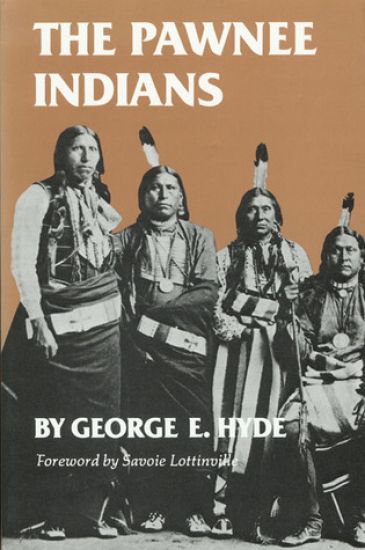
No assessment of the Plains Indians can be complete without some account of the Pawnees. They ranged from Nebraska to Mexico and, when not fighting among themselves, fought with almost every other Plains tribe at one time or another. Regarded as ""aliens"" by many other tribes, the Pawnees were distinctively different from most of their friends and enemies. George Hyde spent more than thirty years collecting materials for his history of the Pawnees. The story is both a rewarding and a painful one. The Pawnee culture was rich in social and religious development. But the Pawnees' highly developed political and religious organization was not a source of power in war, and their permanent villages and high standard of living made them inviting and 'fixed targets for their enemies. They fought and sometimes defeated larger tribes, even the Cheyennes and Sioux, and in one important battle sent an attacking party of Cheyennes home in humiliation after seizing the Cheyennes' sacred arrows. While many Pawnee heroes died fighting off enemy attacks on Loup Fork, still more died of smallpox, of neglect at the hands of the government, and of errors in the policies of Quaker agents. In many ways The Pawnee Indians is the best synthesis Hyde ever wrote. It looks far back into tribal history, assessing Pawnee oral history against anthropological evidence and examining military patterns and cultural characteristics. Hyde tells the story of the Pawnees objectively, reinforcing it with firsthand accounts gleaned from many sources, both Indian and white.