Kirjojen hintavertailu – 12 859 829 kirjaa ja 27 kauppaa

Kirjailija

Scott Rozelle

Kirjat ja teokset yhdessä paikassa: 6 kirjaa, julkaisuja vuosilta 2000–2022, suosituimpiin kuuluu Roots of Competitiveness – China`s Evolving Agriculture Interests. Vertaile teosten hintoja ja tarkista saatavuus suomalaisista kirjakaupoista.

6 kirjaa

Kirjojen julkaisuvuodet: 2000–2022.

Roots of Competitiveness – China`s Evolving Agriculture Interests

Roots of Competitiveness – China`s Evolving Agriculture Interests

Daniel Rosen; Scott Rozelle; Jikun Huang

The Peterson Institute for International Economics
2004
nidottu
It is a cliche that China is the world's manufactured goods factory, but most observers are just as certain that China's farmers are a serious burden on growth. Yet China in fact has the makings of an internationally competitive agricultural sector, with the market setting most prices, farmers shifting quickly toward what they produce best, and significant research and development focused on biotechnology and other promising areas. China's trade interests are changing as its farmers become more competitive, and this transformation will have major implications for world trade talks and global economic welfare. This study traces the steps China has taken to make agriculture a winning sector, the evidence that its initiatives are working, and the course the country is likely to take.
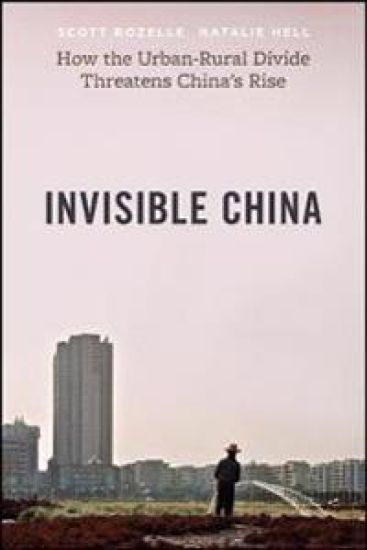
Invisible China

Invisible China

Scott Rozelle; Natalie Hell

THE UNIVERSITY OF CHICAGO PRESS
2022
nidottu

Halvin toimitettuna 20,90 €

As the glittering skyline in Shanghai seemingly attests, China has quickly transformed itself from a place of stark poverty into a modern, urban, technologically savvy economic powerhouse. But as Scott Rozelle and Natalie Hell show in Invisible China, the truth is much more complicated and might be a serious cause for concern. China’s growth has relied heavily on unskilled labor. Most of the workers who have fueled the country’s rise come from rural villages and have never been to high school. While this national growth strategy has been effective for three decades, the unskilled wage rate is finally rising, inducing companies inside China to automate at an unprecedented rate and triggering an exodus of companies seeking cheaper labor in other countries. Ten years ago, almost every product for sale in an American Walmart was made in China. Today, that is no longer the case. With the changing demand for labor, China seems to have no good back-up plan. For all of its investment in physical infrastructure, for decades China failed to invest enough in its people. Recent progress may come too late. Drawing on extensive surveys on the ground in China, Rozelle and Hell reveal that while China may be the second-largest economy in the world, its labor force has one of the lowest levels of education of any comparable country. Over half of China’s population—as well as a vast majority of its children—are from rural areas. Their low levels of basic education may leave many unable to find work in the formal workplace as China’s economy changes and manufacturing jobs move elsewhere. In Invisible China, Rozelle and Hell speak not only to an urgent humanitarian concern but also a potential economic crisis that could upend economies and foreign relations around the globe. If too many are left structurally unemployable, the implications both inside and outside of China could be serious. Understanding the situation in China today is essential if we are to avoid a potential crisis of international proportions. This book is an urgent and timely call to action that should be read by economists, policymakers, the business community, and general readers alike.
The Invisible China

The Invisible China

Scott Rozelle; Natalie Hell

University of Chicago Press
2020
sidottu
As the glittering skyline in Shanghai seemingly attests, China has quickly transformed itself from a place of stark poverty into a modern, urban, technologically savvy economic powerhouse. But as Scott Rozelle and Natalie Hell show in Invisible China, the truth is much more complicated and might be a serious cause for concern. China's growth has relied heavily on unskilled labor. Most of the workers who have fueled the country's rise come from rural villages and have never been to high school. While this national growth strategy has been effective for three decades, the unskilled wage rate is finally rising, inducing companies inside China to automate at an unprecedented rate and triggering an exodus of companies seeking cheaper labor in other countries. Ten years ago, almost every product for sale in an American Walmart was made in China. Today, that is no longer the case. With the changing demand for labor, China seems to have no good back-up plan. For all of its investment in physical infrastructure, for decades China failed to invest enough in its people. Recent progress may come too late. Drawing on extensive surveys on the ground in China, Rozelle and Hell reveal that while China may be the second-largest economy in the world, its labor force has one of the lowest levels of education of any comparable country. Over half of China's population--as well as a vast majority of its children--are from rural areas. Their low levels of basic education may leave many unable to find work in the formal workplace as China's economy changes and manufacturing jobs move elsewhere. In Invisible China, Rozelle and Hell speak not only to an urgent humanitarian concern but also a potential economic crisis that could upend economies and foreign relations around the globe. If too many are left structurally unemployable, the implications both inside and outside of China could be serious. Understanding the situation in China today is essential if we are to avoid a potential crisis of international proportions. This book is an urgent and timely call to action that should be read by economists, policymakers, the business community, and general readers alike.
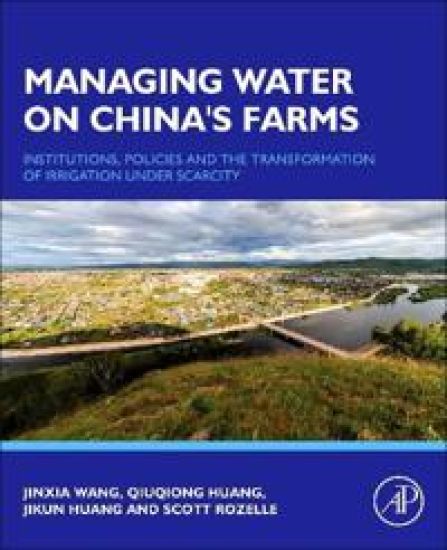
Managing Water on China's Farms

Managing Water on China's Farms

Jinxia Wang; Qiuqiong Huang; Jikun Huang; Scott Rozelle

Academic Press Inc
2016
sidottu
Managing Water on China's Farms: Institutions, Policies and the Transformation of Irrigation under Scarcity is a comprehensive and current look at the water shortage problems in China. While China has emerged as a major player in the world economy, water is the most critical factor that limits the country’s further growth. China’s growing water problems also have a large impact worldwide, with public health as well as economic impacts. If China were to rely heavily on food produced outside of China, the massive volume of food imports would raise food prices internationally. This book examines a series of water issues, beginning with a description of the water shortage problems in China, particularly in the northern part of the country. It then looks at the government and farmers' responses and whether past policies have been effective in resolving the water problems. Managing Water on China’s Farms documents the change of existing and new water management institutional forms over time and across provinces throughout northern China, and then assesses the impacts of these changes in the rural sector. Finally, it examines potential solutions that the research has uncovered, answering the question: Who can build the bridge over China’s troubled waters? Using analyses from information collected firsthand in China’s rural villages, the series of surveys covers diverse geographic regions that are representative of north China and includes perspectives from multiple stakeholders such as village leaders, water managers, and farmers. The policy-oriented research and rich analysis in this book make it of interest to both policy makers and researchers with a focus on China water problems. This book can also be used in a Master or Ph. D. level resource economics course.
From Marx and Mao to the Market

From Marx and Mao to the Market

Johan F.M. Swinnen; Scott Rozelle

Oxford University Press
2006
sidottu
The emergence of China as a global economic powerhouse, the uncertain path of Russia towards a market economy, and the integration of ten Central and Eastern European countries into the European Union (EU) have occupied the minds and agendas of many policy-makers, business leaders and scholars from around the world at the end of the twentieth and the beginning of the twenty-first century. Twenty years ago these developments were unimaginable. The impact of these changes is so vast that the importance of understanding the forces that unleashed this process, how these changes became possible, and what the lessons are for other developing countries, cannot be overestimated. This book is the first effort to analyze the economics and politics of agricultural reforms by comparing the reform processes, their causes and their effects across this vast region. The authors draw on a vast set of studies and new data, which compare reforms and economic impacts in more than 25 countries, to come up with a series of conclusions and implications on the role of economic reforms in growth, and the importance of initial conditions and political constraints in explaining the choices that were made and their effects. The book analyzes some of the most successful sets of agricultural policies in history that have lifted people out of poverty, raising productivity and incomes by staggering amounts. At the same time the book explains the reasons behind dramatic failures in policy processes and reforms that caused hunger, poverty and which had devastating effects on economic growth and development for millions of other people.
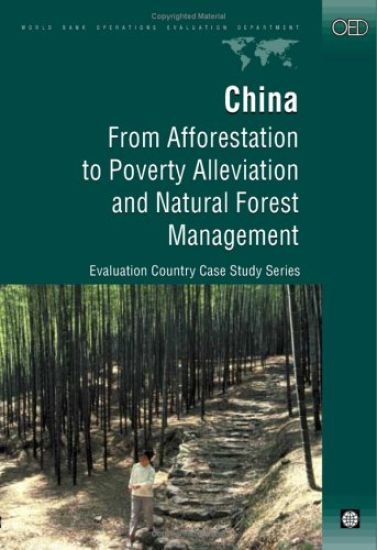
China

China

Scott Rozelle; World Bank

World Bank Publications
2000
nidottu
Although the involvement of the World Bank in the forest sector has a relatively short history, starting in 1988, the impact of Bank projects dates back much further. The Bank's 1991 forest strategy stressed a multi-sectoral approach. Accordingly, this review looked at the Bank's projects in the forest sector, projects with forest sector components, and projects with potential impacts on forests, as well as the Bank's non-lending services. These studies seek to judge whether the Bank has 'done the right things' and 'done things right'.