Kirjojen hintavertailu – 12 859 827 kirjaa ja 27 kauppaa

Kirjailija

Seiji Lippit

Kirjat ja teokset yhdessä paikassa: 3 kirjaa, julkaisuja vuosilta 2002–2018, suosituimpiin kuuluu Rashomon and Other Stories. Vertaile teosten hintoja ja tarkista saatavuus suomalaisista kirjakaupoista.

3 kirjaa

Kirjojen julkaisuvuodet: 2002–2018.

Rashomon and Other Stories

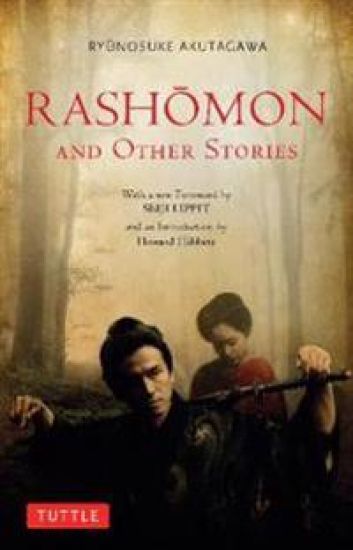
Rashomon and Other Stories

Ryunosuke Akutagawa; Seiji Lippit

Tuttle Publishing
2018
nidottu

Halvin toimitettuna 15,40 €

Widely acknowledged as the father of the Japanese short story, Ryunosuke Akutagawa remains one of the most influential Japanese writers of all time. Rashomon and Other Stories, a collection of his most celebrated work, resonates as strongly today as when it first published a century ago. This volume includes: In a Grove: An iconic, contradictory tale of the murder of a samurai in a forest near Kyoto told through three varying accounts; Rashomon: A masterless samurai contemplates following a life of crime as he encounters an old woman at the old Rashomon gate outside Kyoto; Yam Gruel: A low-ranking court official laments his position all the while yearning for his favourite, yet humble, dish; The Martyr: Set in Japan's Christian missionary era, a young boy is excommunicated for fathering an illegitimate child, but not all is as it seems; Kesa and Morito: An adulterous couple plots to kill the woman's husband as the situation threatens to spin out of control; The Dragon: A priest concocts a prank involving a dragon, but the tall tale begins to take on a life of its own. With a new foreword by noted Akutagawa scholar Seiji Lippit, this updated version of a classic collection is a an excellent, readable introduction to Japanese literature.
Topographies of Japanese Modernism

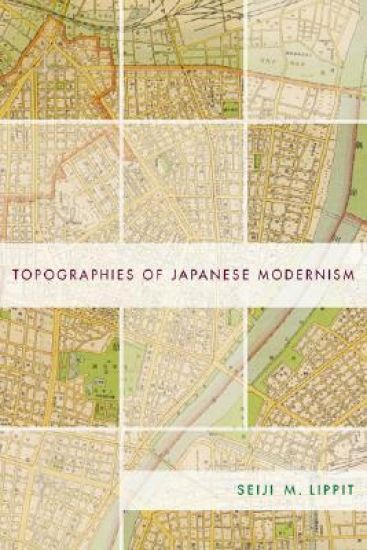
Topographies of Japanese Modernism

Seiji Lippit

Columbia University Press
2002
pokkari
What happens when a critique of modernity-a "revolt against the traditions of the Western world"-is situated within a non-European context, where the concept of the modern has been inevitably tied to the image of the West? Seiji M. Lippit offers the first comprehensive study in English of Japanese modernist fiction of the 1920s and 1930s. Through close readings of four leading figures of this movement- Akutagawa, Yokomitsu, Kawabata, and Hayashi-Lippit aims to establish a theoretical and historical framework for the analysis of Japanese modernism. The 1920s and 1930s witnessed a general sense of crisis surrounding the institution of literature, marked by both the radical politicization of literary practice and the explosion of new forms of cultural production represented by mass culture. Against this backdrop, this study traces the heterogeneous literary topographies of modernist writings. Through an engagement with questions of representation, subjectivity, and ideology, it situates the disintegration of literary form in these texts within the writers' exploration of the fluid borderlines of Japanese modernity.
Topographies of Japanese Modernism

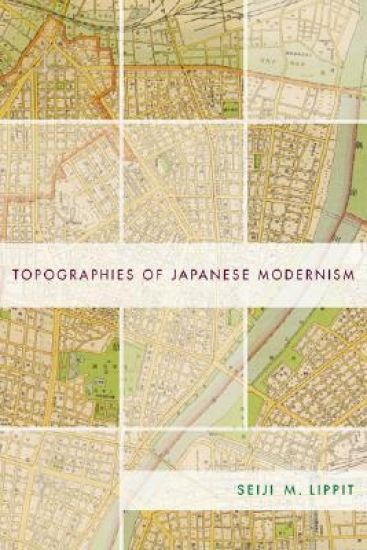
Topographies of Japanese Modernism

Seiji Lippit

Columbia University Press
2002
sidottu
What happens when a critique of modernity-a "revolt against the traditions of the Western world"-is situated within a non-European context, where the concept of the modern has been inevitably tied to the image of the West? Seiji M. Lippit offers the first comprehensive study in English of Japanese modernist fiction of the 1920s and 1930s. Through close readings of four leading figures of this movement- Akutagawa, Yokomitsu, Kawabata, and Hayashi-Lippit aims to establish a theoretical and historical framework for the analysis of Japanese modernism. The 1920s and 1930s witnessed a general sense of crisis surrounding the institution of literature, marked by both the radical politicization of literary practice and the explosion of new forms of cultural production represented by mass culture. Against this backdrop, this study traces the heterogeneous literary topographies of modernist writings. Through an engagement with questions of representation, subjectivity, and ideology, it situates the disintegration of literary form in these texts within the writers' exploration of the fluid borderlines of Japanese modernity.