Kirjojen hintavertailu – 12 859 818 kirjaa ja 27 kauppaa

Kirjailija

Selena Wisnom

Kirjat ja teokset yhdessä paikassa: 6 kirjaa, julkaisuja vuosilta 2019–2026, suosituimpiin kuuluu Empires of Faith. Vertaile teosten hintoja ja tarkista saatavuus suomalaisista kirjakaupoista.

6 kirjaa

Kirjojen julkaisuvuodet: 2019–2026.

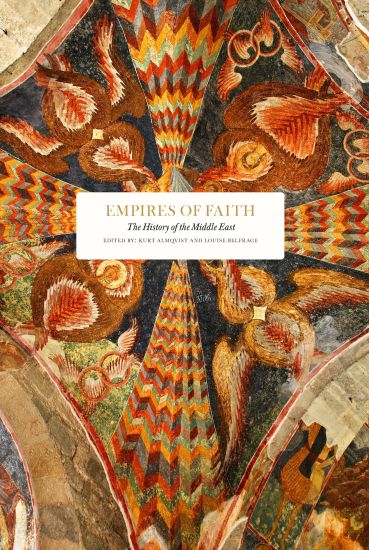
Empires of Faith

Empires of Faith

Raina Abouzeid; Jon B. Alterman; Ali M. Ansari; James Barr; Ali Fathollah-Nejad; Peter Frankopan; Chaim Gans; Amber Gartrell; Kim Ghattas; Andrew S. Gilmour; Martin Goodman; Sir John Jenkins; Halil M. Karaveli; Elisabeth Kendall; Hugh Kennedy; Stephen Kotkin; Nelly Lahoud; Göran Larsson; Gabriel Martinez-Gros; General Sir Simon Mayall; Yossef Rapoport; Mark Ronan; Stefanie Rudolf; Peter Sarris; Nathan Shachar; Brendan Simms; Selena Wisnom

Bokförlaget Stolpe
2026
sidottu
Mellanöstern har alltid varit en central plats för handel och erövringar. Läget har medfört enorma rikedomar, kulturellt utbyte och intellektuell vitalitet – men också konflikter, instabilitet och ihållande geopolitiska spänningar. Att förstå regionens förflutna är avgörande för att förstå dess nutid. Antologin Empires of Faith utforskar Mellanösterns långa historia – från Mesopotamien, de persiska kungarikena och Alexander den store till kristendomens och islams uppkomst, det bysantinska och ottomanska riket, och 1900-talets dramatiska omvandling av regionen. Hur har religion, civilisation och imperialistiska ambitioner format regionen? Vilka arv lämnade de stora imperierna efter sig och hur påverkade de lagstiftning, kultur, styre och undersåtarnas vardagsliv? Och i vilken utsträckning är historiens efterverkningar fortfarande synliga i dagens politiska och religiösa landskap? Boken utkommer även på svenska våren 2027.
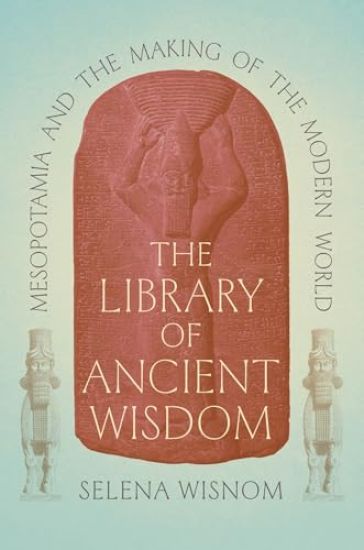
The Library of Ancient Wisdom: Mesopotamia and the Making of the Modern World
A tour of an ancient library transports us to Mesopotamia, introducing us to its people, their ideas, and their humanity. The library of Ashurbanipal, Assyria's last great king, held an astonishing collection at the forefront of knowledge in its day, from ancient traditions in religion and literature to the latest developments in magic and medicine. When the Assyrian empire fell, the library burned to the ground, and its contents, clay tablets inscribed with cuneiform writing, lay buried for thousands of years until a team of Victorian archaeologists discovered the remnants in modern-day Iraq. The clay had baked and hardened; the very fire that consumed the library had helped its texts to survive for millennia. In The Library of Ancient Wisdom, scholar Selena Wisnom, one of only a few hundred experts able to read cuneiform script today, guides us inside this important collection and, through its contents, brings ancient Mesopotamia and its people to life. Introducing us to Ashurbanipal and his family, scribes, astrologers, physicians, and more, Wisnom explores the library's tablets and the details they divulge about how these ancient people thought about the world. Like us, they had concerns about job security, jealous rivalries, and profound friendships, and questions about the meaning of life. Wisnom ushers us into a world where magic was commonplace, where the gods spoke to you in dreams, and where the secrets of the universe were revealed through puns--taking us to the heart of what it means to be human. Offering a close look at a major historical landmark as well as a readable account of the world's earliest civilizations, The Library of Ancient Wisdom lays bare the ideas, hopes, fears, and desires that survive on humble clay.
Weapons of Words: Intertextual Competition in Babylonian Poetry: A Study of Anzû, Enūma Elis, and Erra and Isum
In Weapons of Words: Intertextual Competition in Babylonian Poetry Selena Wisnom offers an in-depth literary study of three poems central to Babylonian culture: Anz , Enūma elis, and Erra and Isum. Fundamentally interconnected, each poem strives to out-do its predecessors and competes to establish its protagonist, its ideals, and its poetics as superior to those that came before them. The first of its kind in Assyriology, Weapons of Words explores the rich nuances of these poems by unravelling complex networks of allusion. Through a sophisticated analysis of literary techniques, Selena Wisnom traces developments in the Akkadian poetic tradition and demonstrates that intertextual readings are essential for a deeper understanding of Mesopotamian literature.