Kirjojen hintavertailu – 12 876 190 kirjaa ja 26 kauppaa

Kirjailija

Seph Rodney

Kirjat ja teokset yhdessä paikassa: 3 kirjaa, julkaisuja vuosilta 2019–2024, suosituimpiin kuuluu Ebony G. Patterson. Vertaile teosten hintoja ja tarkista saatavuus suomalaisista kirjakaupoista.

3 kirjaa

Kirjojen julkaisuvuodet: 2019–2024.

Ebony G. Patterson

Ebony G. Patterson

Joanna Groarke; Karenna Gore; Abra Lee; Seph Rodney

RIZZOLI INTERNATIONAL PUBLICATIONS
2024
sidottu
The artist's deceptively beautiful work--colorful tapestries and garden-inspired installations created out of faux flowers, glitter, sequins, fabric, toys, beads, jewelry, and other embellishments--comes to life at The New York Botanical Garden, where she employs the beauty and symbolism of living plants to unearth the complex entanglements of race, gender and colonialism. Accompanying a major site-specific exhibition of sculptural and horticultural installations by artist Ebony G. Patterson at The New York Botanical Garden, this volume provides deeper insights into Patterson’s multilayered practice. The artist’s work has long examined and experimented with the concept of the garden through a practice that uses beauty as an invitation to confront larger societal questions and concerns.
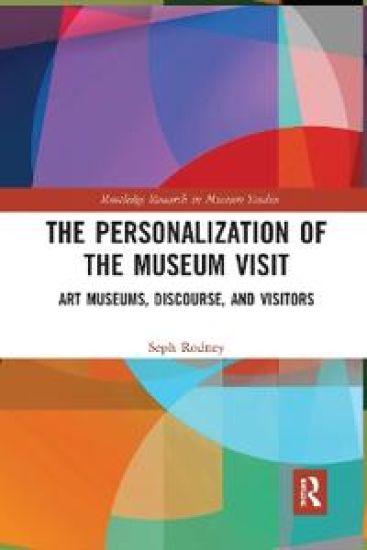
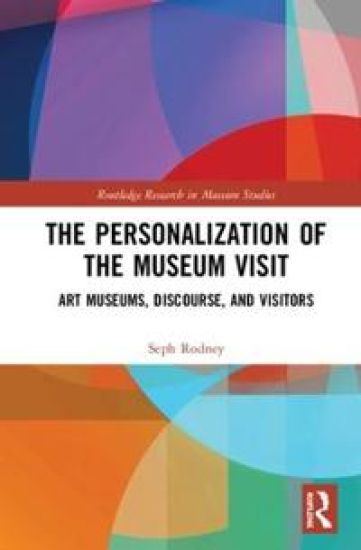
The Personalization of the Museum Visit
The Personalization of the Museum Visit examines a fundamental shift in institutional behavior in museums located in the United States and the United Kingdom. Contending that art museums have moved toward a new paradigm of public engagement, it posits that modern museum visitors are treated as self-directed "clients", with the agency to make meaning for themselves. The book then considers how this change has come about, examining factors such as the onset of a new museology, an experience economy, and a marketing revolution. Drawing on extensive research undertaken at Britain’s Tate Modern, the book examines a range of issues, including visitor engagement, curatorial practice, and museum management. A visit experience that is customizable to the individual visitor, in which curators and marketers work together with visitor-clients to create an experience of personalized meaning, is, Rodney argues, rising in prevalence in the art museum field, but it is also being stymied by certain structural impediments. This book examines such obstacles, including institutional division of labor, long-standing conceptions, or misconceptions, of the museum’s mission, and the orientation of museums toward a certain conceptual model of their visitors. The Personalization of the Museum Visit is essential reading for scholars and students engaging with issues of visitor engagement, curatorial practice, and museum management. With a particular focus on the role of business interests and public policy, the book should also be of interest to those undertaking research in fields outside of museum and visitor studies.