Kirjojen hintavertailu – 12 903 725 kirjaa ja 27 kauppaa
Kirjailija
Sergei Lebedev
Kirjat ja teokset yhdessä paikassa: 17 kirjaa, julkaisuja vuosilta 2016–2026, suosituimpiin kuuluu Liberties Journal of Culture and Politics. Vertaile teosten hintoja ja tarkista saatavuus suomalaisista kirjakaupoista.
Michael Ignatieff; Mary Gaitskill; Sergei Lebedev; Antonia Bouis; Karen Solie; Michael Walzer; David A. Bell; Justin E.H. Smith; Michael C. Kimmage; Andrew Scull; Robert Alter; Steven B. Smith; Benjamin Moser; Helen Vendler; John Hodgen; Adam Zagajewski
Liberties, a Journal of Culture and Politics, is essential reading for those engaged in the cultural and political issues of our time. In this issue of Liberties: Michael Ignatieff - The Mind’s Emancipation; Mary Gaitskill - The Trials of the Young; Sergei Lebedev - Putin’s Philosopher: A Memoir; Michael Walzer - Moral Concern; Justin E. H. Smith – The Happiness Industrial Complex; Andrew Scull – The Fashions in Trauma; David A. Bell – The Triumph of Anti-Politics in America; Michael Kimmage – A Defense of Delight in a Dark Time; Robert Alter – Proust and the Mystification of the Jews; Steven B. Smith – What is a Statesman?; Benjamin Moser – Rembrandt’s shadows; Helen Vendler – The Poetry of Charm; Celeste Marcus – Priorism, or the Joshua Katz Affair; Leon Wieseltier – Problems and Struggles; and, new poems by Karen Solie, Adam Zagajewski, and John Hodgen. Published quarterly, Liberties, is a collection of the most significant writers today as well as launching the voices of tomorrow. Liberties features serious, independent, stylish, and controversial essays by significant writers and introduces the next generation of writers and poets to inspire and impact the intellectual and creative lifeblood of today’s culture and politics. Nobel Prize winners, leading op-ed writers, well-known non-fiction writers, rising talents, and poets from around the world are part of the Liberties series. There’s a reason why engaged citizens, cultural warriors, political leaders, opinion makers, and activists from across the cultural and political spectrum read and cherish Liberties.
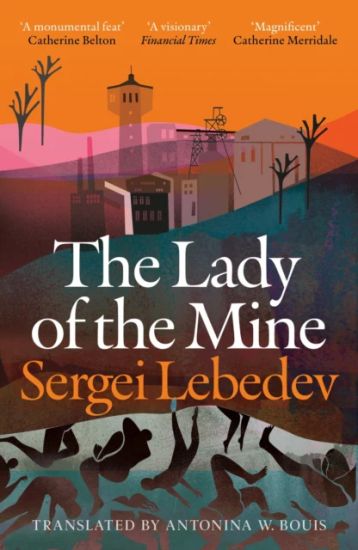
The extraordinary new novel by the author of Untraceable. A sealed shaft in a Donbas coal mine contains unimaginable horror: layer upon layer of human bodies, the victims of Red and White terror during the Revolution, of Stalin’s purges, of the Einsatzgruppen in the Holocaust. Around this infamous pit, in a polluted region convulsed once again by war and cruelty when Russia invades Ukraine, the fates of four characters intertwine: a mysterious and powerful laundress whose dedication to cleaning the filth created by the mine attracts the suspicion of the secret police; her innocent daughter Zhanna, left alone by her mother’s death; a brutal Russian militia man, who targets Zhanna; and his boss, a former KGB man turned ruthless servant of Putin. The voice of The Engineer, a murdered Jew who designed and constructed the mine, is a witness to the bloody history of the region and the terrible secret at its heart. A haunting, lyrical meditation on the legacy of dictatorship and atrocity.
The mystical laundress at the center of this novel is obsessed with purity. Her task is formidable as she stands guard over a sealed shaft at a Ukrainian coal mine that hides terrible truths. The bodies of dead Jews lying in its depths seem to attract still more present-day crimes. Acclaimed Russian author Sergei Lebedev portrays a ghostly realm riven by lust and fear just as the Kremlin invades the same part of Ukraine occupied by the Wehrmacht in World War Two. Then corpses rain from the sky when a jetliner is shot down overhead, scattering luxury goods along with the mortal remains. Eerie coincidences and gruesome discoveries fill this riveting exploration of an uncanny place where the geography exudes violence, and where the sins of the past are never all that in the past. Lebedev, who has won international praise for his soul-searching prose and unflinching examination of history's evils, shines light on the fault line where Nazism met Soviet communism, evolving into the new fascism of today's Russia.
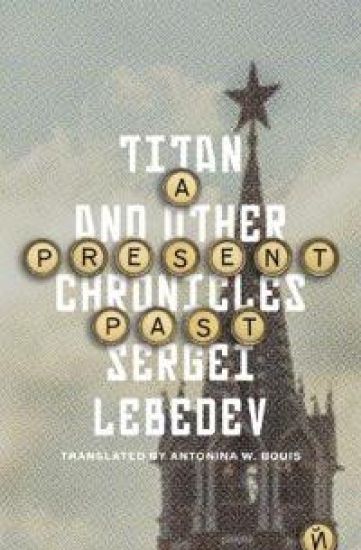
“Ghosts are not born by themselves. They are born of a silent conscience. They are as real as the ignored knowledge of crimes and the refusal to accept real responsibility. They are the distorted voice of the dead turned into mystical images. The voice of unwanted witnesses.” A Present Past is a collection of short stories that brings to vivid life a post-Soviet world haunted by the secrets and crimes of its past. It features a judge overcome by the weight of his ruling, the stories within the old Soviet cemeteries, discovered objects that transport us to another time and the documents of the KGB. Seamlessly blending history with fiction, politics with individualism, reality with magic, the eleven tales explore the unacknowledged crimes of the Soviet Union and Russian State, and show how the devastating sins of the past pervade the present.
"A tour de force--exquisite and gripping."--Philippe Sands, author of East West StreetThe Soviet and post-Soviet world, with its untold multitude of crimes, is a natural breeding ground for ghost stories. No one writes them more movingly than Russian author Sergei Lebedev, who in this stunning volume probes a collective guilty conscience marked by otherworldliness and the denial of misdeeds. These eleven tales share a mystical topography in which the legacy of totalitarian regimes is ever-present--from Katyn to Chechnya, from Lithuanian KGB documents to the streetscape of unified Berlin, from the fragments of family history to the echoes of foot soldiers in Russia's wars of aggression. In these stories, as in Lebedev's acclaimed novels, the voices of things, places, animals, and people seek justice for a restless past, where steel claws scrape just beneath the surface and where the heredity of evil is uninterrupted, unacknowledged, unnamed.
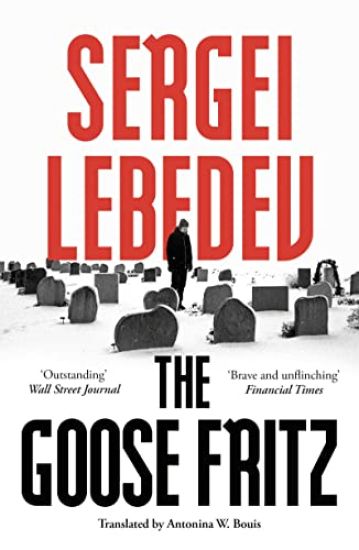
A novel about history both personal and political, and the mysteries of the past. This is the story of a young Russian named Kirill, the sole survivor of a once numerous clan of German origin, who delves relentlessly into the unresolved past.
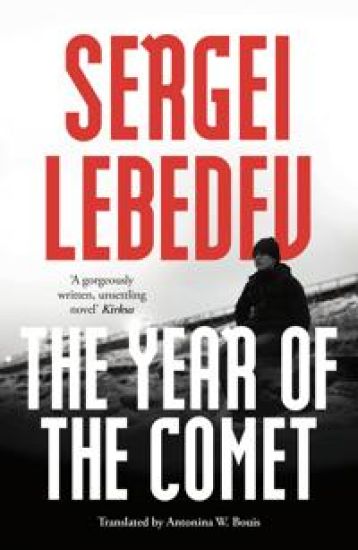
From the critically acclaimed author of Oblivion comes Year of the Comet, a story of a Russian boyhood and coming of age as the Soviet Union is on the brink of collapse. An idyllic childhood takes a sinister turn. Rumours of a serial killer haunt the neighbourhood, families pack up and leave town without a word of warning, and the country begins to unravel. Policemen stand by as protesters overtake the streets, knowing that the once awe-inspiring symbols of power they wear on their helmets have become devoid of meaning. Lebedev depicts a vast empire coming apart at the seams, transforming a very public moment into something tender and personal, and writes with stunning beauty and shattering insight about childhood and the growing consciousness of a boy in the world.
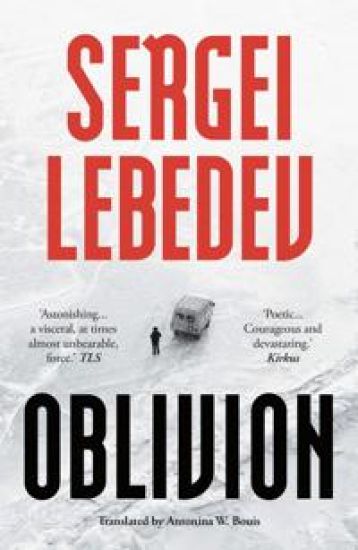
One of the first twenty-first century Russian novels to probe the legacy of the Soviet prison camp system by one of Russia's finest young writers. A young man travels to the vast wastelands of the Far North to uncover the truth about a shadowy neighbour who saved his life, and whom he knows only as Grandfather II. What he finds, among the forgotten mines and decrepit barracks of former gulags, is a world relegated to oblivion, where it is easier to ignore both the victims and the executioners than to come to terms with a terrible past. This disturbing tale evokes the great and ruined beauty of a land where man and machine worked in tandem with nature to destroy millions of lives during the Soviet century. Emerging from today's Russia, where the ills of the past are being forcefully erased from public memory, this masterful novel represents an epic literary attempt to rescue history from the brink of oblivion.
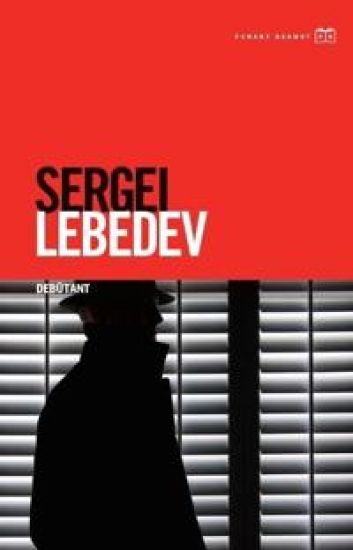
Ühe Euroopa väikelinna kohvikus näib haigushoog tabavat vanemat härrat, kes jõuab enne surma ettekandjale öelda, et tegu on mõrvaga. Lahkamisel avastataksegi tema kehast salapärast mürki ning juhtumi uurimiseks moodustatakse tähtis komisjon. Üllatuslikult kuulub sinna ka teadlane Kalitin, keda peetakse eriotstarbelise aine Debütant üheks loojaks... Sergei Lebedevi raamat räägib ajakohaste paralleelide kaudu poliitika ja teadlaste maailma põimumisest ja selle tagajärgedest ümbritsevatele inimestele. SERGEI LEBEDEV (snd 1981) on vene prosaist ning luuletaja. Ta on töötanud nii geoloogilistel ekspeditsioonidel kui ajakirjanikuna, loomingu põhiteemaks on inimese ja ajaloosündmuste suhe. Sergei Lebedevi loetakse üheks kõige mõjukamaks kaasaja vene kirjanikuks, eesti keeles on varem ilmunud tema romaan "Unustuse piir". "Debütant" on saanud suurt tähelepanu ja on ilmumas enam kui 20 keeles.
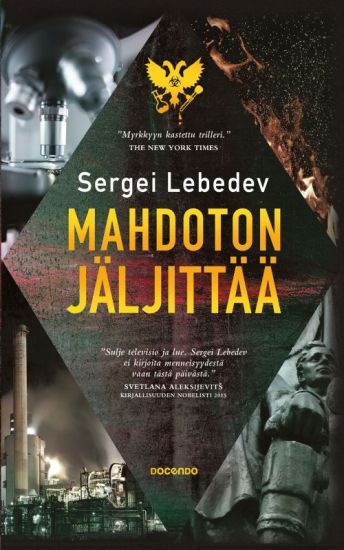
Professori Kalitin on häikäilemätön, narsistinen kemisti, joka on kehittänyt äärimmäisen tappavan myrkyn työskennellessään salaisessa kaupungissa Venäjän Kaukoidässä. Myrkyn nimi on Debytantti, ja sitä on mahdoton havaita tai jäljittää. Syyllisyys jäytää myrkyn kehittäjää selittämättömien kuolemantapausten listan kasvaessa. Neuvostoliiton romahtaessa hän loikkaa länteen ja saa uuden henkilöllisyyden Saksassa. Kun taas yksi venäläinen murhataan Debytantilla, Katlin paljastuu ja lännen agentit vetävät hänet mukaan murhan tutkintaan. Kaksi Venäjän erikoisjoukkojen tappajaa, joiden kädet ovat tšetšeeniverestä punaiset, lähetetään vaientamaan hänet - hänen itsensä kehittämällä myrkyllä. Tässä kiivastahtisessa, lajityypin rajoja venyttävässä tarinassa Lebedev punoo jännitystä hämmentävän kauniilla proosalla, joka luotaa pahan historiallista kehityskulkua natsilaboratorioista, stalinistisista salajuonista ja Tšetšenian sodista aina nykypäivän Venäjälle. Sergei Lebedev (s. 1981) on venäläinen runoilija, esseisti ja toimittaja. Hänen kirjojaan on käännetty useille kielille. The New York Review of Books on ylistänyt Lebedeviä ”nuoremman polven venäläiskirjailijoista parhaimmaksi”.
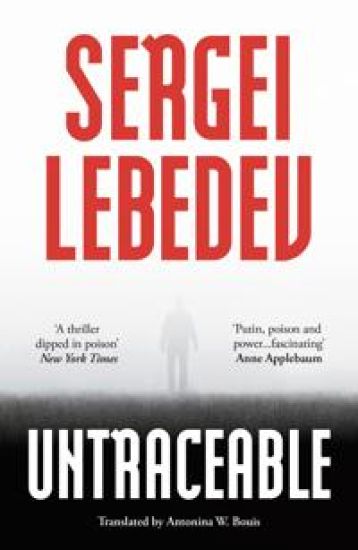
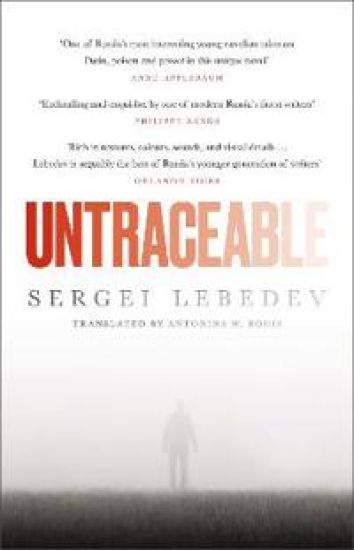
'A thriller dipped in poison... Lebedev shares some of le Carré's fascination with secret worlds and the nature of evil' New York TimesAn extraordinary and angry Russian novel about poisons of all kinds: physical, moral and political. Professor Kalitin is a ruthless, narcissistic chemist who has developed an untraceable, extremely lethal poison called Neophyte while working in a secret city on an island in the Russian far east. When the Soviet Union collapses, he defects and is given a new identity in Germany. After an unrelated Russian is murdered with Kalitin's poison, his cover is blown and he's drawn into the German investigation of the death. Two special forces killers with a lot of Chechen blood on their hands are sent to silence him – using his own undetectable poison. Their journey to their target is full of blunders, mishaps, holdups and accidents. Praise for Sergei Lebedev:'One of Russia's most interesting young novelists takes on Putin, poison and power in this unique novel; Lebedev provides a fascinating window on modern Russia' Anne Applebaum'Turn off your television sets and get reading. Sergei Lebedev writes not of the past, but of today' Svetlana Alexievich'Lebedev's books dealt with history – it lay like a shadow over everything he wrote – and the fact that its presence was so powerful suggested that the conflicts and tensions inherent in it were still unresolved, still had a bearing on Russian society in obscure yet palpable ways' Karl Ove Knausgaard
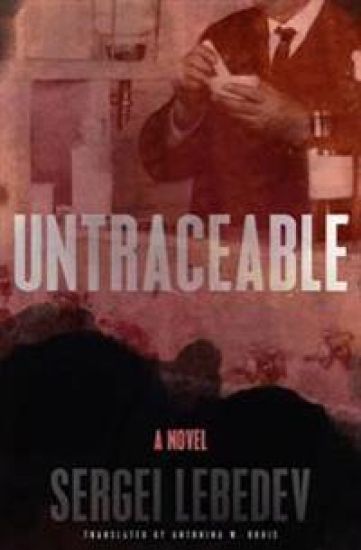
In 2018, a former Russian secret agent and his daughter were poisoned with a lethal neurotoxin that left them slumped over on a British park bench in critical condition. The story of who did it, and how these horrendous contaminants were developed, captivates and terrifies in equal measure. It has inspired acclaimed author Sergei Lebedev's latest page-turning novel. At its center is a scheming chemist named Professor Kalitin, obsessed with developing an absolutely deadly, undetectable and untraceable poison for which there is no antidote. He becomes consumed by guilt over the death of his wife, the first accidental victim of his Faustian pact to create the ultimate venom, and the deaths of hundreds of test subjects. After he defects from the Soviet Union to spend his "retirement" years in the West, two Russian secret agents are dispatched to assassinate him. In this fast-paced, genre-bending novel, Lebedev weaves tension-filled pages of stunningly beautiful prose exploring the historical trajectories of evil. From Nazi labs, Stalinist plots, the Chechen Wars, to present-day Russia, Lebedev probes the ethical responsibilities of scientists supplying modern tyrants and autocrats with ever newer instruments of retribution, destruction and control. Lebedev, one of Russia's most important and exciting writers, has never been better.
'A superb literary thriller' The Times, Book of the Week 'A thriller dipped in poison... Lebedev shares some of le Carré's fascination with secret worlds and the nature of evil' New York Times An extraordinary and angry Russian novel about poisons of all kinds: physical, moral and political. Professor Kalitin is a ruthless, narcissistic chemist who has developed an untraceable, extremely lethal poison called Neophyte while working in a secret city on an island in the Russian far east. When the Soviet Union collapses, he defects and is given a new identity in Germany. After an unrelated Russian is murdered with Kalitin's poison, his cover is blown and he's drawn into the German investigation of the death. Two special forces killers with a lot of Chechen blood on their hands are sent to silence him – using his own undetectable poison. Their journey to their target is full of blunders, mishaps, holdups and accidents. Praise for Sergei Lebedev: 'One of Russia's most interesting young novelists takes on Putin, poison and power in this unique novel; Lebedev provides a fascinating window on modern Russia' Anne Applebaum 'Turn off your television sets and get reading. Sergei Lebedev writes not of the past, but of today' Svetlana Alexievich 'Lebedev's books dealt with history – it lay like a shadow over everything he wrote – and the fact that its presence was so powerful suggested that the conflicts and tensions inherent in it were still unresolved, still had a bearing on Russian society in obscure yet palpable ways' Karl Ove Knausgaard
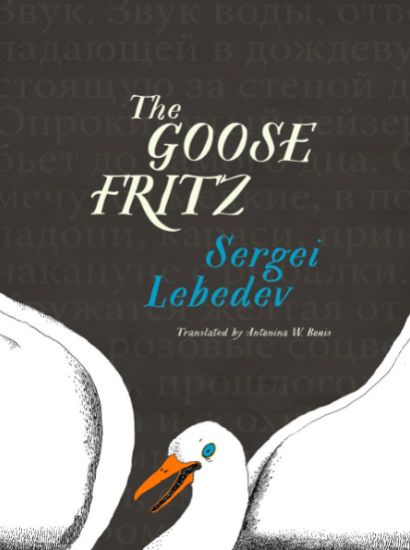
This revelatory novel shows why Karl Ove Knausgaard has likened its celebrated Russian author to an "indomitable ... animal that won't let go of something when it gets its teeth into it." The book tells the story of a young Russian named Kirill, the sole survivor of a once numerous clan of German origin, who delves relentlessly into the unresolved past. His ancestor, Balthasar Schwerdt, son of a prominent surgeon, migrated to the Russian Empire in the 1830s, where he practiced alternative medicine, landing in the court of Catherine the Great. Schwerdt became captive to an erratic nobleman who supplied midgets, hunchbacks from Africa, and magicians to entertain the empress. Kirill's investigation takes us through centuries of turmoil during which none of the German's nine children or their descendants can escape their adoptive country's cruel fate. Intent on uncovering buried mysteries, Kirill searches archives and cemeteries across Europe, while pressing witnesses for keys to understanding. The Goose Fritz illuminates both personal and political history in a passion-filled family saga about an often confounding country that has long fascinated the world.
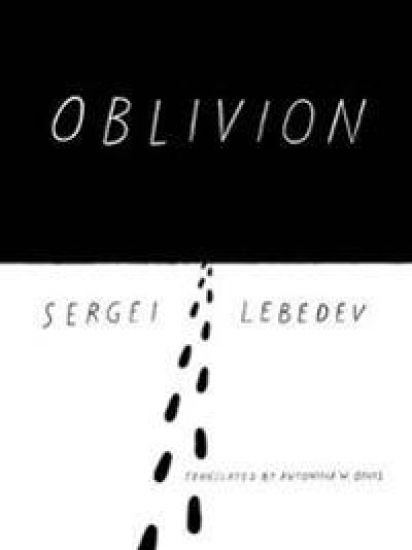
In one of the first twenty-first century Russian novels to probe the legacy of the Soviet prison camp system, a young man travels to the vast wastelands of the Far North to uncover the truth about a shadowy neighbor who saved his life, and whom he knows only as Grandfather II. What he finds, among the forgotten mines and decrepit barracks of former gulags, is a world relegated to oblivion, where it is easier to ignore both the victims and the executioners than to come to terms with a terrible past. This disturbing tale evokes the great and ruined beauty of a land where man and machine worked in tandem with nature to destroy millions of lives during the Soviet century. Emerging from today's Russia, where the ills of the past are being forcefully erased from public memory, this masterful novel represents an epic literary attempt to rescue history from the brink of oblivion. Sergei Lebedev was born in Moscow in 1981 and worked for seven years on geological expeditions in northern Russia and Central Asia. His first novel, Oblivion, has been translated into many languages.