Kirjojen hintavertailu – 12 859 818 kirjaa ja 27 kauppaa

Kirjailija

Seyed Ghahreman Safavi

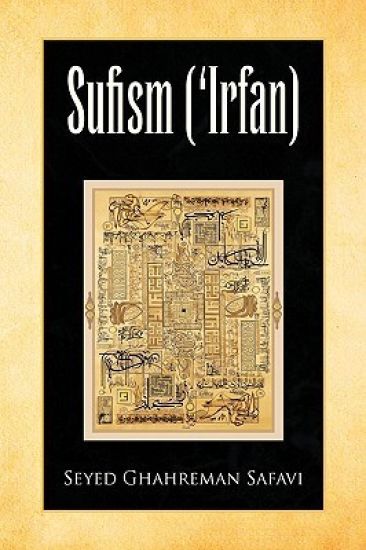
Kirjat ja teokset yhdessä paikassa: 7 kirjaa, julkaisuja vuosilta 2008–2009, suosituimpiin kuuluu Sufism ('Irfan). Vertaile teosten hintoja ja tarkista saatavuus suomalaisista kirjakaupoista.

7 kirjaa

Kirjojen julkaisuvuodet: 2008–2009.

Rumi's Mystical Design

Rumi's Mystical Design

Seyed Ghahreman Safavi; Simon Weightman; Seyyed Hossein Nasr

State University of New York Press
2009
sidottu
Reveals the sophisticated design of Rumi's Mathnawi, showing that this seemingly unstructured work both describes and functions as spiritual training. This landmark book reveals the structure of Rumi's thirteenth-century classic, the Mathnawi. A beloved collection of 25,000 picturesque, alliterative verses full of anecdotes and parables on what appear to be loosely connected themes, the Mathnawi presents itself as spontaneous and unplanned. However, as Seyed Ghahreman Safavi and Simon Weightman demonstrate, the work has a sophisticated design that deliberately hides the spiritual so that readers, as seekers, have to find it for themselves-it is not only about spiritual training, it is spiritual training. Along with a full synoptic reading of the whole of Book One, the authors provide material on Rumi's life, his religious position, and his literary antecedents. Safavi and Weightman have provided readers, students, and scholars with a valuable resource: the guide that they wished they had had prior to their own reading of this great spiritual classic.
Rumi's Mystical Design

Rumi's Mystical Design

Seyed Ghahreman Safavi; Simon Weightman; Seyyed Hossein Nasr

State University of New York Press
2009
pokkari
Reveals the sophisticated design of Rumi's Mathnawi, showing that this seemingly unstructured work both describes and functions as spiritual training. This landmark book reveals the structure of Rumi's thirteenth-century classic, the Mathnawi. A beloved collection of 25,000 picturesque, alliterative verses full of anecdotes and parables on what appear to be loosely connected themes, the Mathnawi presents itself as spontaneous and unplanned. However, as Seyed Ghahreman Safavi and Simon Weightman demonstrate, the work has a sophisticated design that deliberately hides the spiritual so that readers, as seekers, have to find it for themselves-it is not only about spiritual training, it is spiritual training. Along with a full synoptic reading of the whole of Book One, the authors provide material on Rumi's life, his religious position, and his literary antecedents. Safavi and Weightman have provided readers, students, and scholars with a valuable resource: the guide that they wished they had had prior to their own reading of this great spiritual classic.