Kirjojen hintavertailu – 12 859 819 kirjaa ja 27 kauppaa

Kirjailija

Shane Graham

Kirjat ja teokset yhdessä paikassa: 4 kirjaa, julkaisuja vuosilta 2020–2026, suosituimpiin kuuluu Bloke of All Ages. Vertaile teosten hintoja ja tarkista saatavuus suomalaisista kirjakaupoista.

4 kirjaa

Kirjojen julkaisuvuodet: 2020–2026.

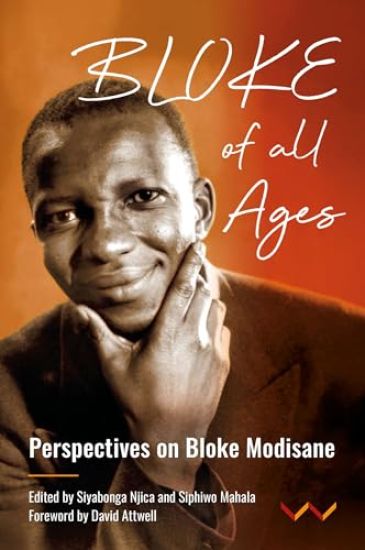
Bloke of All Ages

Bloke of All Ages

Bloke Modisane; Shane Graham; Colette Guldimann; Liz Gunner; Vusumuzi R Kumalo; Benjamin N Lawrance; Bafana Radebe; Mark Sanders; Molebogeng Sebesho

WITS UNIVERSITY PRESS
2026
pokkari

Halvin toimitettuna 43,00 €

Bloke of All Ages is an expansive reflection that offers refreshing new insights into the works of one of South Africa's most important literary, intellectual and artistic figures, William Bloke Modisane. Born in Sophiatown, Modisane was a remarkable author, playwright and actor, and a leading member of the DRUM generation in the 1950s. The contributors trace Modisane's intellectual and cultural journey from his early years in South Africa to his exile in the United Kingdom, East Africa, North America, Italy, the German Democratic Republic, and the Federal Republic of Germany. Through a comprehensive and diverse exploration of Modisane's body of work, they offer critical literary essays on his early short stories, his autobiography Blame Me on History, his journalism as well as his writings while in exile. The volume also includes little-known and previously unpublished essays by Modisane, written during his time in exile. Bloke of All Ages highlights the relevance and resilience of Modisane's intellectual and cultural contribution by situating his work in the broader historic context of South African creative arts.
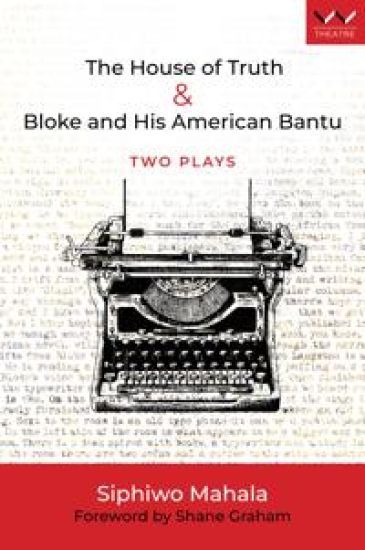
House of Truth & Bloke and His American Bantu

House of Truth & Bloke and His American Bantu

Siphiwo Mahala; Shane Graham

WITS UNIVERSITY PRESS
2025
pokkari
Siphiwo Mahala delves into the lives of iconic figures from South Africa's tumultuous past in this remarkable collection of plays. The collection opens with The House of Truth, which explores the complexity of Can Themba, a fearless journalist, playwright and poet living under an oppressive apartheid regime. The one-man play weaves together elements of Themba's life and career, recreating the excitement and pathos of the DRUM era South Africa's first magazine for a black audience, and his resident neighborhood, Sophiatown in Johannesburg, before it was destroyed by apartheid legislation. Themba is brought back to life as an ordinary person with human flaws and attributes both tragic and inspirational. In the second play, Bloke and His American Bantu. Mahala brings to life the extraordinary lives of Bloke Modisane, a South African writer exiled in London, and Langston Hughes, the renowned American poet. This two-hander play celebrates their remarkable camaraderie and intellectual exchange. Through a reimagined correspondence, the play deftly explores how a simple friendship blossomed into a catalyst for international solidarity and cultural exchange across continents, from Africa to the UK to America. As a whole, the plays explore the intersections of identity, creativity and resistance. With wit, poise, and unflinching honesty, they bring to life the triumphs and struggles of these remarkable men who left an indelible mark on their worlds, and celebrate the human spirit's capacity to persevere, inspire and uplift.
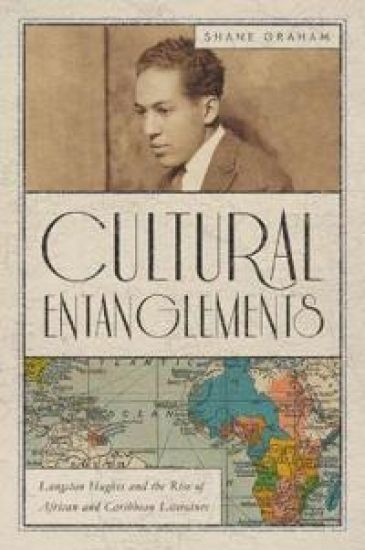
Cultural Entanglements

Cultural Entanglements

Shane Graham

University of Virginia Press
2020
pokkari
In addition to being a poet, fiction writer, playwright, and essayist, Langston Hughes was also a globe-trotting cosmopolitan, travel writer, translator, avid international networker, and—perhaps above all—pan-Africanist. In Cultural Entanglements, Shane Graham examines Hughes's associations with a number of black writers from the Caribbean and Africa, exploring the implications of recognizing these multiple facets of the African American literary icon and of taking a truly transnational approach to his life, work, and influence. Graham isolates and maps Hughes's cluster of black Atlantic relations and interprets their significance. Moving chronologically through Hughes's career from the 1920s to the 1960s, he spotlights Jamaican poet and novelist Claude McKay, Haitian novelist and poet Jacques Roumain, French Negritude author Aimé Césaire of Martinique, South African writers Es’kia Mphahlele and Peter Abrahams, and Caribbean American novelist Paule Marshall. Taken collectively, these writers' intellectual relationships with Hughes and with one another reveal a complex conversation—and sometimes a heated debate—happening globally throughout the twentieth century over what Africa signified and what it meant to be black in the modern world. Graham makes a truly original contribution not only to the study of Langston Hughes and African and Caribbean literatures but also to contemporary debates about cosmopolitanism, the black Atlantic, and transnational cultures.
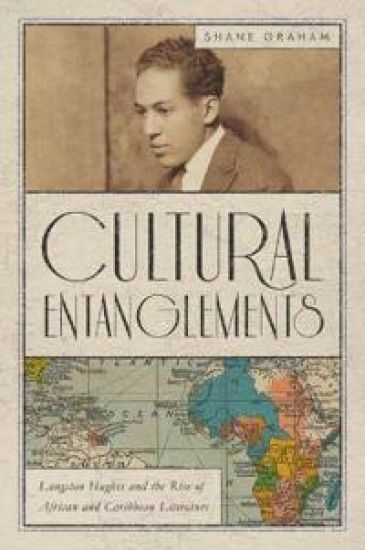
Cultural Entanglements

Cultural Entanglements

Shane Graham

University of Virginia Press
2020
sidottu
In addition to being a poet, fiction writer, playwright, and essayist, Langston Hughes was also a globe-trotting cosmopolitan, travel writer, translator, avid international networker, and—perhaps above all—pan-Africanist. In Cultural Entanglements, Shane Graham examines Hughes's associations with a number of black writers from the Caribbean and Africa, exploring the implications of recognizing these multiple facets of the African American literary icon and of taking a truly transnational approach to his life, work, and influence. Graham isolates and maps Hughes's cluster of black Atlantic relations and interprets their significance. Moving chronologically through Hughes's career from the 1920s to the 1960s, he spotlights Jamaican poet and novelist Claude McKay, Haitian novelist and poet Jacques Roumain, French Negritude author Aimé Césaire of Martinique, South African writers Es’kia Mphahlele and Peter Abrahams, and Caribbean American novelist Paule Marshall. Taken collectively, these writers' intellectual relationships with Hughes and with one another reveal a complex conversation—and sometimes a heated debate—happening globally throughout the twentieth century over what Africa signified and what it meant to be black in the modern world. Graham makes a truly original contribution not only to the study of Langston Hughes and African and Caribbean literatures but also to contemporary debates about cosmopolitanism, the black Atlantic, and transnational cultures.