Kirjojen hintavertailu – 12 903 725 kirjaa ja 27 kauppaa

Kirjailija

Shao Kai Tseng

Kirjat ja teokset yhdessä paikassa: 6 kirjaa, julkaisuja vuosilta 2016–2024, suosituimpiin kuuluu G. W. F. Hegel. Vertaile teosten hintoja ja tarkista saatavuus suomalaisista kirjakaupoista.

6 kirjaa

Kirjojen julkaisuvuodet: 2016–2024.

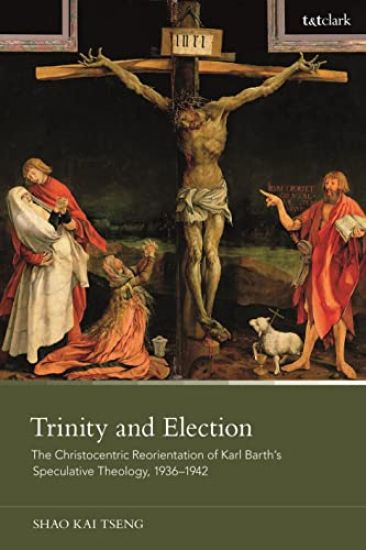
Trinity and Election

Trinity and Election

Shao Kai Tseng

BLOOMSBURY PUBLISHING PLC
2024
nidottu
Challenging Bruce McCormack’s paradigm of post-Kantian Barth scholarship, this book builds on the interpretative model that Sigurd Baark developed in 2018. This model interprets Barth’s innovative adoption of an Anselmian mode of theological speculation, against the intellectual-historical background of the idealist tradition of speculative metaphysics that culminated in Hegel. This book argues that Barth adopted the Anselmian mode of speculation in which immediate self-identity between subject, object, and act is found in the triune God alone, while the speculative identity that enables human knowledge of God is none other than the identity between God-in-and-for-Godself and God-for-us. Exploring the nationalistic dimension of speculative metaphysics in 19th-century Germany, Tseng identifies this as an important aspect of the context of Barth’s development of a Christocentric form of speculative theology.
Trinity and Election

Trinity and Election

Shao Kai Tseng

BLOOMSBURY PUBLISHING PLC
2023
sidottu
Challenging Bruce McCormack’s paradigm of post-Kantian Barth scholarship, this book builds on the interpretative model that Sigurd Baark developed in 2018. This model interprets Barth’s innovative adoption of an Anselmian mode of theological speculation, against the intellectual-historical background of the idealist tradition of speculative metaphysics that culminated in Hegel. This book argues that Barth adopted the Anselmian mode of speculation in which immediate self-identity between subject, object, and act is found in the triune God alone, while the speculative identity that enables human knowledge of God is none other than the identity between God-in-and-for-Godself and God-for-us. Exploring the nationalistic dimension of speculative metaphysics in 19th-century Germany, Tseng identifies this as an important aspect of the context of Barth’s development of a Christocentric form of speculative theology.
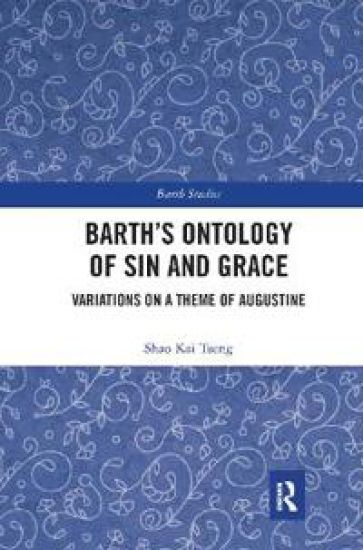
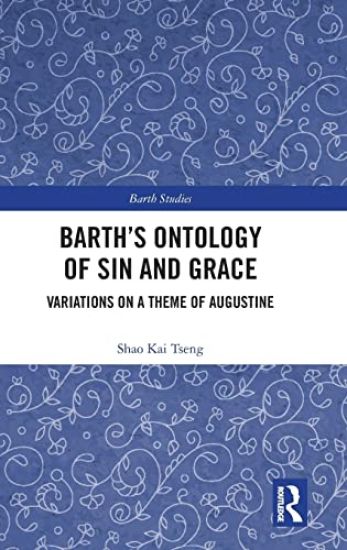
Barth's Ontology of Sin and Grace

Barth's Ontology of Sin and Grace

Shao Kai Tseng

Routledge
2020
nidottu
In recent Barth studies it has been argued that a key to understanding the theologian’s opposition to natural theology is his rejection of substantialist ontology. While this is true to an extent, this book argues that it is a mistake to see Barth’s ‘actualistic ontology’ as diametrically opposed to traditional substantialism. Probing into Barth’s soteriological hamartiology in Church Dogmatics, III-IV, a largely neglected aspect of these volumes in recent debates on his understanding of being and act, it shows how his descriptions of sin, nature, and grace shed light on the precise manners in which his actualistic ontology operates on both a substance grammar of being and a process grammar of becoming, while rejecting the metaphysics underlying both grammars. Looking at issues such as original sin, universal salvation and human will, Barth is shown to be radically redefining the relationship between humans, their actions and the divine. This book argues that human ‘nature’ is the total determination of the human being ‘from above’ by God’s grace in Christ, while the existential dimension of the human being is also totally determined ‘from below’ by the Adamic history of sin. This serves to demonstrate Barth’s endeavours in eliminating the vestiges of natural theology within the Western tradition handed down from Augustine. By exploring these issues this book offers a fresh insight into Barth’s relationship with his theological forbears. As such, it will be vital reading for any scholar of Barth studies, the problem of evil, and theological ontology.
Barth's Ontology of Sin and Grace

Barth's Ontology of Sin and Grace

Shao Kai Tseng

Routledge
2018
sidottu
In recent Barth studies it has been argued that a key to understanding the theologian’s opposition to natural theology is his rejection of substantialist ontology. While this is true to an extent, this book argues that it is a mistake to see Barth’s ‘actualistic ontology’ as diametrically opposed to traditional substantialism. Probing into Barth’s soteriological hamartiology in Church Dogmatics, III-IV, a largely neglected aspect of these volumes in recent debates on his understanding of being and act, it shows how his descriptions of sin, nature, and grace shed light on the precise manners in which his actualistic ontology operates on both a substance grammar of being and a process grammar of becoming, while rejecting the metaphysics underlying both grammars. Looking at issues such as original sin, universal salvation and human will, Barth is shown to be radically redefining the relationship between humans, their actions and the divine. This book argues that human ‘nature’ is the total determination of the human being ‘from above’ by God’s grace in Christ, while the existential dimension of the human being is also totally determined ‘from below’ by the Adamic history of sin. This serves to demonstrate Barth’s endeavours in eliminating the vestiges of natural theology within the Western tradition handed down from Augustine. By exploring these issues this book offers a fresh insight into Barth’s relationship with his theological forbears. As such, it will be vital reading for any scholar of Barth studies, the problem of evil, and theological ontology.
G. W. F. Hegel

G. W. F. Hegel

Shao Kai Tseng

P R Publishing Co (Presbyterian Reformed)
2018
nidottu
Anyone who does theology in the twenty-first century should have some understanding of Hegel, a man whose fingerprints cover the philosophies of Marxism, process theology, and Barthianism, among others. Taking a Reformed stance, Shao Kai Tseng shows the significance of Hegel's philosophy of religion and surveys the use of Hegelian methods in recent Protestant theology, with a focus on Barth and his theological heirs.
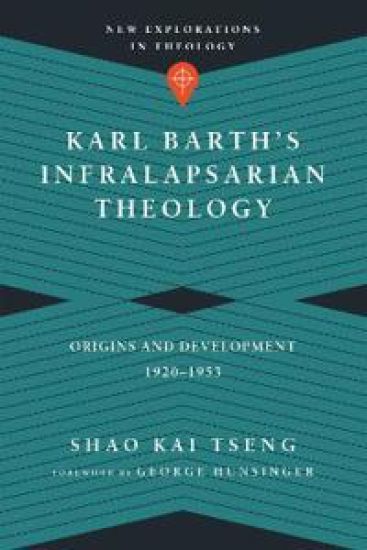
Karl Barth`s Infralapsarian Theology – Origins and Development, 1920–1953

Karl Barth`s Infralapsarian Theology – Origins and Development, 1920–1953

Shao Kai Tseng; George Hunsinger

Inter-Varsity Press,US
2016
nidottu
Theologians have long assumed that Karl Barth's doctrine of election is supralapsarian. Challenging decades of scholarship, Shao Kai Tseng argues that despite Barth's stated favor of supralapsarianism, his mature lapsarian theology is complex and dialectical, critically reappropriating both supra- and infralapsarian patterns of thinking. Barth can be described as basically infralapsarian because he sees the object of election as fallen humankind and understands the incarnation as God's act of taking on human nature in its condition of fallenness. In this New Explorations in Theology volume, Tseng shows that most of Barth's Reformed critics have not understood his doctrine of election accurately enough to recognize his affinity to infralapsarianism and, conversely, that most Barthians have not understood Reformed-orthodox formulations of election with sufficient accuracy in their disagreement with the tradition. Karl Barth's Infralapsarian Theology offers a clear understanding of both the historic Lapsarian Controversy and Barth's distinct form of lapsarianism, providing a charitable dialogue partner to aid mutual understanding between Barth and evangelicals. Featuring new monographs with cutting-edge research, New Explorations in Theology provides a platform for constructive, creative work in the areas of systematic, historical, philosophical, biblical, and practical theology.