Kirjojen hintavertailu – 12 903 725 kirjaa ja 27 kauppaa

Kirjailija

Shaojun Li

Kirjat ja teokset yhdessä paikassa: 3 kirjaa, julkaisuja vuosilta 2011–2024, suosituimpiin kuuluu Detection of Karst Voids at Deep Pile Foundation. Vertaile teosten hintoja ja tarkista saatavuus suomalaisista kirjakaupoista.

3 kirjaa

Kirjojen julkaisuvuodet: 2011–2024.

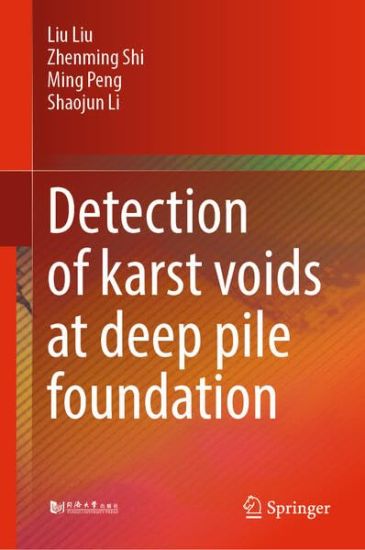
Detection of Karst Voids at Deep Pile Foundation

Detection of Karst Voids at Deep Pile Foundation

Liu Liu; Zhenming Shi; Ming Peng; Shaojun Li; Fengjuan Tao

SPRINGER VERLAG, SINGAPORE
2024
sidottu
Karst voids at pile locations can have a significant negative impact on the bearing capacity and overall safety of cast-in-place pile foundations. This book introduces a state-of-the-art detection system, comprising of specialized equipment, algorithms, and software, designed to identify karst voids during deep cast-in-place pile foundation construction. The system includes a unique multifrequency borehole sonic probe, a single borehole radar, two pile hole sonar probes, and a corresponding signal analysis method. Several field and synthetic tests have been conducted to detect karst voids during cast-in-place pile foundation construction, and the results demonstrate that this technology can offer detailed geological information for pile design and ensure the safety of foundation construction. The work presented in this book has received the First Prize for Technological Invention in Shanghai, China in 2022.

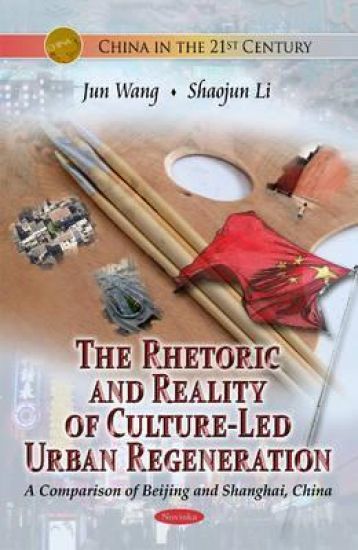
The Rhetoric and Reality of Culture-Led Urban Regeneration: A Comparison of Beijing and Shanghai, China
It did not take long for the two megacities of Beijing and Shanghai to embrace the fashion of culture-led urban regeneration. Forerunner is the case of Beijing 798, wherein a semi-abandoned factory was gradually turns to the largest cluster of art production and art consumption. The process never runs smoothly as this zone is planned as high-tech industrial zone according to the comprehensive plan. During the past years, artists petitioned for preserving the factory, claiming that the preservation is significant in conserving historical buildings and sustaining the only and largest 'artists' village'. This book analyses the differences of the two culture-led regeneration projects, the spatial outputs of which stem from different cultural circumstances and, respond to power relationships of a variety of actors in the urban regimes.