Kirjojen hintavertailu – 12 903 725 kirjaa ja 27 kauppaa

Kirjailija

Sheila Trahar

Kirjat ja teokset yhdessä paikassa: 4 kirjaa, julkaisuja vuosilta 2010–2021, suosituimpiin kuuluu Rural Transitions to Higher Education in South Africa. Vertaile teosten hintoja ja tarkista saatavuus suomalaisista kirjakaupoista.

4 kirjaa

Kirjojen julkaisuvuodet: 2010–2021.

Rural Transitions to Higher Education in South Africa

Rural Transitions to Higher Education in South Africa

Sue Timmis; Thea de Wet; Kibashini Naidoo; Sheila Trahar; Lisa Lucas; Emmanuel Mfanafuthi Mgqwashu; Patricia Muhuro; Gina Wisker

Routledge
2021
sidottu
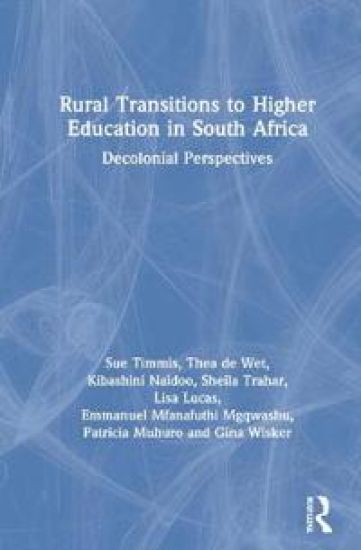
This unique and timely book focuses on research conducted into the experiences of students from rural backgrounds in South Africa: foregrounding decolonial perspectives on their negotiation of access and transitions to higher education. This book highlights not only the challenges of coming from a rural background against the historical backdrop of apartheid and ongoing colonialism, but also shows the immense assets that students from rural areas bring into higher education. Through detailed narratives created by student co-researchers, the book charts early experiences in rural communities, negotiations of transitions to university and, in many cases, to urban life and students’ subsequent journeys through higher education spaces and curricula. The book will be of significant interest and value to those engaged in rurality research across diverse settings, those interested in the South African higher education context and higher education more widely. Its innovative, participatory methodology will be invaluable to researchers seeking to conduct collaborative research that draws on decolonising approaches.
Rural Transitions to Higher Education in South Africa

Rural Transitions to Higher Education in South Africa

Sue Timmis; Thea de Wet; Kibashini Naidoo; Sheila Trahar; Lisa Lucas; Emmanuel Mfanafuthi Mgqwashu; Patricia Muhuro; Gina Wisker

Routledge
2021
nidottu
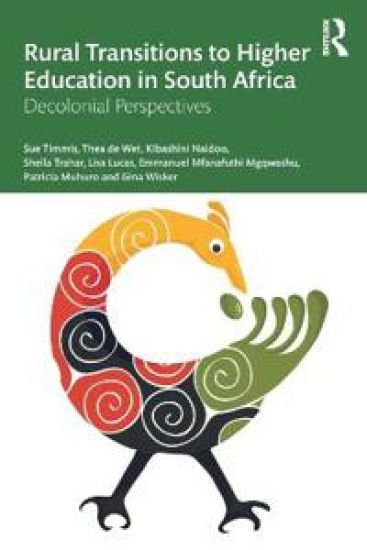
This unique and timely book focuses on research conducted into the experiences of students from rural backgrounds in South Africa: foregrounding decolonial perspectives on their negotiation of access and transitions to higher education. This book highlights not only the challenges of coming from a rural background against the historical backdrop of apartheid and ongoing colonialism, but also shows the immense assets that students from rural areas bring into higher education. Through detailed narratives created by student co-researchers, the book charts early experiences in rural communities, negotiations of transitions to university and, in many cases, to urban life and students’ subsequent journeys through higher education spaces and curricula. The book will be of significant interest and value to those engaged in rurality research across diverse settings, those interested in the South African higher education context and higher education more widely. Its innovative, participatory methodology will be invaluable to researchers seeking to conduct collaborative research that draws on decolonising approaches.
Developing Cultural Capability in International Higher Education
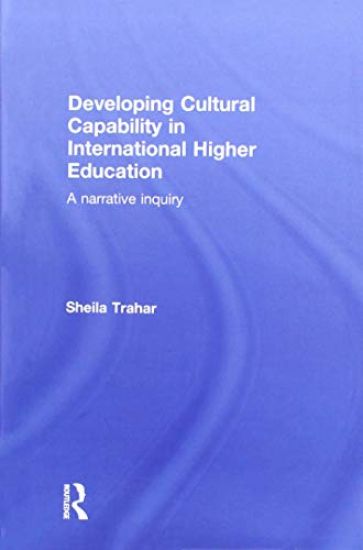
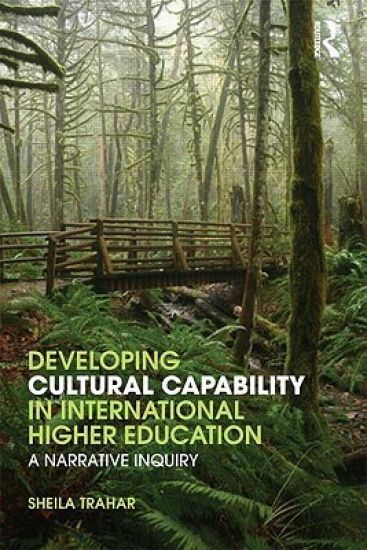
To function in the diverse world of the twenty-first century requires a crucial ability to navigate its international and interconnected environments effectively. Such a skill may be defined as cultural capability and developing it is at the forefront of this book, as it guides readers in considering their own experiences of learning and teaching in culturally varied contexts of higher education. Using information that builds upon data gained from several years of practice, across a range of countries and institutions the author considers in detail four main themes:Learning, teaching and assessment as a cultural product of higher educationPersonal and professional interactions between staff and studentsThe political and personal dimensions of the internationalisation of higher educationMethodological and ethical considerations when conducting research across culturesThese themes provide for rich opportunities to learn from and about others, about our similarities and differences. In this way, Developing Cultural Capability celebrates a world that is multicultural and interdependent, encouraging operation beyond local and national perspectives. Conducting cross-cultural research is not new, but this book shows how narrative inquiry may be a particularly rich – and sensitive - approach in such research in higher education. By writing as a practitioner researcher who has reflected, extensively and critically, on her own practice, the author here gathers together empirical research, case studies and personal reflections, beliefs and assumptions into an innovative account of cultural capability. Through these rich accounts, this book stimulates researchers or practitioners grappling with the cultural complexity of higher education today to reflect on their own practices, proposing some ways to create environments that are more inclusive.
Developing Cultural Capability in International Higher Education
To function in the diverse world of the twenty-first century requires a crucial ability to navigate its international and interconnected environments effectively. Such a skill may be defined as cultural capability and developing it is at the forefront of this book, as it guides readers in considering their own experiences of learning and teaching in culturally varied contexts of higher education. Using information that builds upon data gained from several years of practice, across a range of countries and institutions the author considers in detail four main themes:Learning, teaching and assessment as a cultural product of higher educationPersonal and professional interactions between staff and studentsThe political and personal dimensions of the internationalisation of higher educationMethodological and ethical considerations when conducting research across culturesThese themes provide for rich opportunities to learn from and about others, about our similarities and differences. In this way, Developing Cultural Capability celebrates a world that is multicultural and interdependent, encouraging operation beyond local and national perspectives. Conducting cross-cultural research is not new, but this book shows how narrative inquiry may be a particularly rich – and sensitive - approach in such research in higher education. By writing as a practitioner researcher who has reflected, extensively and critically, on her own practice, the author here gathers together empirical research, case studies and personal reflections, beliefs and assumptions into an innovative account of cultural capability. Through these rich accounts, this book stimulates researchers or practitioners grappling with the cultural complexity of higher education today to reflect on their own practices, proposing some ways to create environments that are more inclusive.