
Kirjojen hintavertailu – 12 859 829 kirjaa ja 27 kauppaa

Kirjailija

Shelley G. Sturman

Kirjat ja teokset yhdessä paikassa: 2 kirjaa, julkaisuja vuosilta 2011–2017, suosituimpiin kuuluu Facture: Conservation, Science, Art History. Vertaile teosten hintoja ja tarkista saatavuus suomalaisista kirjakaupoista.

2 kirjaa

Kirjojen julkaisuvuodet: 2011–2017.

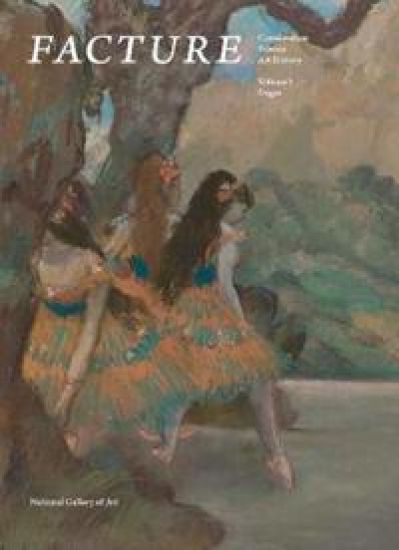
Facture: Conservation, Science, Art History

Facture: Conservation, Science, Art History

Daphne S. Barbour; Barbara Hepburn Berrie; John K. Delaney; Kathryn A. Dooley; Michelle Facini; Ann Hoenigswald; Kimberly Jones; Richard Kendall; Suzanne Quillen Lomax; Alison Luchs; Michael Palmer; Kimberly Schenck; Shelley G. Sturman

Yale University Press
2017
pokkari
This volume of Facture, a biennial journal that presents the latest conservation research on works of art at the National Gallery of Art, Washington, focuses exclusively on conservation treatment, technical art history, and scientific research related to masterpieces by the beloved French artist Edgar Degas (1834–1917). The National Gallery’s extraordinary collection of sculptures, paintings, and works on paper by Degas, including an incomparable group of his wax sculptures—among them his iconic Little Dancer Aged Fourteen—allows the institution to contribute significantly to understanding the artist’s methods and intentions. This volume features discussions of the notion of “finish” in Degas’s paintings, the complex makeup of his wax sculptures, the casting of posthumous bronzes, his innovative use of multiple layers of pastel and fixative in a late work on paper, and even a sonnet that Degas wrote to his “little dancer.” Distributed for the National Gallery of Art, Washington
Edgar Degas Sculpture

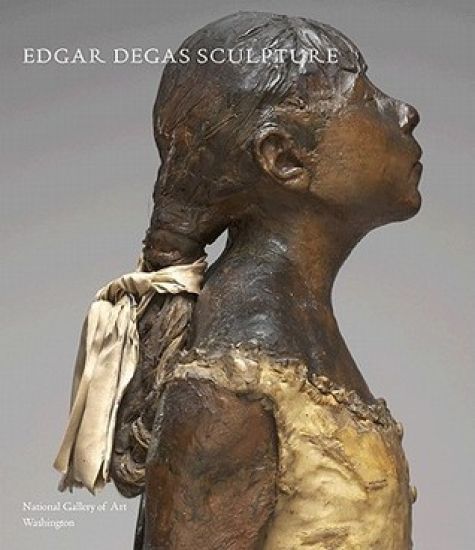
Edgar Degas Sculpture

Suzanne Glover Lindsay; Daphne S. Barbour; Shelley G. Sturman

PRINCETON UNIVERSITY PRESS
2011
sidottu
As an artist, Edgar Degas (1834-1917) defies easy description. Allied with the French impressionists through his commitment to portraying modern life, he also took an independent course, preferring line over color and the visible brushstroke, and working in a studio instead of out-of-doors. He is perhaps best known as a painter, but his most widely known work is a sculpture, Little Dancer Aged Fourteen. Executed in wax, near life-sized, dressed in a ballerina's tutu, with real ballet slippers and real hair, the sculpture caused a sensation when it was exhibited in 1881. It is the only sculpture Degas ever showed publicly, though more than one hundred--of dancers, horses, and bathers--were found in his studio after he died, all dusty, some fallen apart. For almost forty years after his death, these works were known only through the bronzes his heirs had cast from the originals. Then, in 1955, the waxes themselves appeared on the art market. Thanks to the discernment and generosity of Paul Mellon, the majority are now preserved at the National Gallery of Art, Washington, most on permanent display. This groundbreaking volume honors this extraordinary gift by linking art and science. It brings together the insights of a distinguished art historian of nineteenth-century painting and sculpture and the specialized knowledge of National Gallery conservators and scientists who have published pioneering technical studies. Including essays on Degas' life and work, his sculptural technique and materials, and the story of the sculptures after his death, it features art-historical and technical discussions of every work in the collection as well as indispensable concordances and bibliography. The richly illustrated text is intended for both art lover and specialist. Was Degas the sculptor technically inept or unusually inventive? How do we understand his sculpture in light of his paintings, prints, and photographs? These questions and many others are explored with originality and depth, adding immeasurably to our understanding of the artistic avant-garde in the late nineteenth century and to our appreciation of this controversial artist.