Kirjojen hintavertailu – 12 903 725 kirjaa ja 27 kauppaa

Kirjailija

Sheryl Feinstein

Kirjat ja teokset yhdessä paikassa: 6 kirjaa, julkaisuja vuosilta 2007–2009, suosituimpiin kuuluu Parenting the Teenage Brain. Vertaile teosten hintoja ja tarkista saatavuus suomalaisista kirjakaupoista.

6 kirjaa

Kirjojen julkaisuvuodet: 2007–2009.

Tanzanian Women in Their Own Words

Tanzanian Women in Their Own Words

Sheryl Feinstein; Nicole C. D'Errico

Lexington Books
2009
nidottu
Tanzanian Women in Their Own Words is a compilation of oral histories by Tanzanian women living with disabilities or chronic illnesses. Beginning with their earliest childhood memories, the narrators weave their life stories through adulthood, telling of the hardships and support systems in their daily lives. A rich knowledge of Tanzanian culture is embedded in each story; for instance the pivotal role tribal affiliation, polygamy, and poverty play in society is addressed. HIV/AIDS, cancer, polio, female circumcision, and TB are just a few of the health issues covered; Feinstein and D'Errico make a concerted effort to include the major medical challenges facing this developing country, including an interview with an albino woman that introduces the little discussed atrocity of albinos being murdered for body parts to be used in ritual medicine practices. In spite of the abuse and exclusion many of the women suffer, eventually each learns to live in harmony with her reality. This makes their lives inspiring and gives perspective to those facing physical challenges. Tanzanian Women in Their Own Words encourages readers to consider issues of health care, transportation, ignorance, polygamy, gender discrimination, and rural isolation. Through learning about the health challenges faced by Tanzanian women, students are introduced to the lifeways and concerns of Tanzanian culture, the challenges faced by many developing countries, and the intimate and evocative level of detail that can only be discovered through intensive ethnographic fieldwork.

Inside the Teenage Brain

Inside the Teenage Brain

Sheryl Feinstein; Eric Jensen

Rowman Littlefield Education
2009
sidottu
Teenagers are perplexing, intriguing, and spirited creatures. In an attempt to discover the secrets to their thoughts and actions, parents have tried talking, cajoling, and begging them for answers. The result has usually been just more confusion. But new and exciting light is being shed on these mysterious young adults. What was once thought to be hormones run amuck can now be explained with modern medical technology. MRI and PET scans view the human brain while it is alive and functioning. To no one's surprise, the teenage brain is under heavy construction! These discoveries are helping parents understand the (until now) unexplainable teenager. Neuroscience can help parents adjust to the highs and lows of teenage behavior. Typically, this transformation is a prickly proposition for both teens and their families, but the trials and tribulations of adolescence give teenagers a second chance to develop and create the brain they will take into adulthood.
Teaching the At-Risk Teenage Brain

Teaching the At-Risk Teenage Brain

Sheryl Feinstein

Rowman Littlefield Education
2007
sidottu
While all teenage behavior and character traits can be challenging, the issues facing the at-risk teenager are particularly thorny and deserve special attention. Anger, aggression, and a total lack of good decision-making happen on a minute-to-minute basis, as teachers patiently try to guide these young adults. Unlocking the key to keeping them in school and facilitating proficiency in reading, writing, and math is not for the weak of heart. A strong constitution, compassionate spirit, and solid knowledge base make the difference in this meaningful work. Neuroscientists now have the technology to make amazing and startling discoveries about this unexplored territory. Combining their work with the work of psychologists and educationists is creating a new and exciting landscape for educators. In Teaching the At-Risk Teenage Brain Sheryl Feinstein provides research in a reader-friendly way to help teachers and administrators better understand the at-risk student. Feinstein also includes numerous brain-compatible instructional strategies and classroom management techniques, all intended to teach, support, and guide at-risk teenage students.
Teaching the At-Risk Teenage Brain

Teaching the At-Risk Teenage Brain

Sheryl Feinstein

Rowman Littlefield Education
2007
nidottu
While all teenage behavior and character traits can be challenging, the issues facing the at-risk teenager are particularly thorny and deserve special attention. Anger, aggression, and a total lack of good decision-making happen on a minute-to-minute basis, as teachers patiently try to guide these young adults. Unlocking the key to keeping them in school and facilitating proficiency in reading, writing, and math is not for the weak of heart. A strong constitution, compassionate spirit, and solid knowledge base make the difference in this meaningful work. Neuroscientists now have the technology to make amazing and startling discoveries about this unexplored territory. Combining their work with the work of psychologists and educationists is creating a new and exciting landscape for educators. In Teaching the At-Risk Teenage Brain Sheryl Feinstein provides research in a reader-friendly way to help teachers and administrators better understand the at-risk student. Feinstein also includes numerous brain-compatible instructional strategies and classroom management techniques, all intended to teach, support, and guide at-risk teenage students.
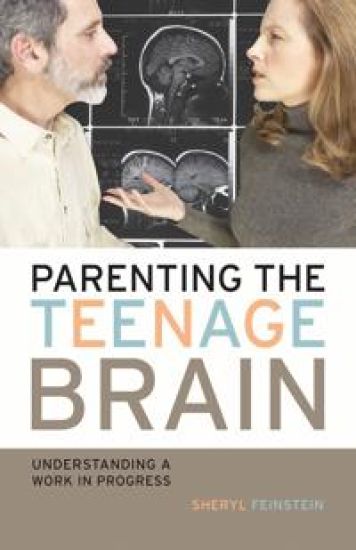
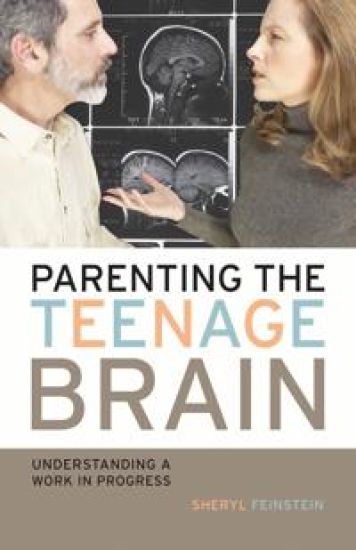
Parenting the Teenage Brain

Parenting the Teenage Brain

Sheryl Feinstein

Rowman Littlefield Education
2007
nidottu
Teenagers are perplexing, intriguing, and spirited creatures. In an attempt to discover the secrets to their thoughts and actions, parents have tried talking, cajoling, and begging them for answers. The result has usually been just more confusion. But new and exciting light is being shed on these mysterious young adults. What was once thought to be hormones run amuck can now be explained with modern medical technology. MRI and PET scans view the human brain while it is alive and functioning. To no one's surprise, the teenage brain is under heavy construction! These discoveries are helping parents understand the (until now) unexplainable teenager. Neuroscience can help parents adjust to the highs and lows of teenage behavior. Typically, this transformation is a prickly proposition for both teens and their families, but the trials and tribulations of adolescence give teenagers a second chance to develop and create the brain they will take into adulthood.
Parenting the Teenage Brain

Parenting the Teenage Brain

Sheryl Feinstein

Rowman Littlefield Education
2007
sidottu
Teenagers are perplexing, intriguing, and spirited creatures. In an attempt to discover the secrets to their thoughts and actions, parents have tried talking, cajoling, and begging them for answers. The result has usually been just more confusion. But new and exciting light is being shed on these mysterious young adults. What was once thought to be hormones run amuck can now be explained with modern medical technology. MRI and PET scans view the human brain while it is alive and functioning. To no one's surprise, the teenage brain is under heavy construction! These discoveries are helping parents understand the (until now) unexplainable teenager. Neuroscience can help parents adjust to the highs and lows of teenage behavior. Typically, this transformation is a prickly proposition for both teens and their families, but the trials and tribulations of adolescence give teenagers a second chance to develop and create the brain they will take into adulthood.