Kirjojen hintavertailu – 12 903 724 kirjaa ja 27 kauppaa
Kirjailija
Shibley Telhami
Kirjat ja teokset yhdessä paikassa: 7 kirjaa, julkaisuja vuosilta 1990–2020, suosituimpiin kuuluu The Stakes. Vertaile teosten hintoja ja tarkista saatavuus suomalaisista kirjakaupoista.
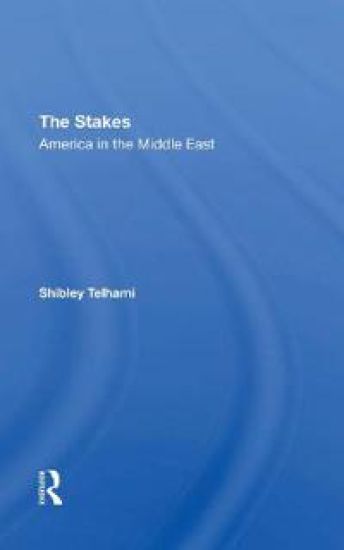
This book presents an intriguing analysis of American stakes in the Middle East and a thoughtful argument for the compassionate and measured use of force. It explains Arab and Muslim attitudes towards the United States and shows why there is much reason for concern.
This book presents an intriguing analysis of American stakes in the Middle East and a thoughtful argument for the compassionate and measured use of force. It explains Arab and Muslim attitudes towards the United States and shows why there is much reason for concern.
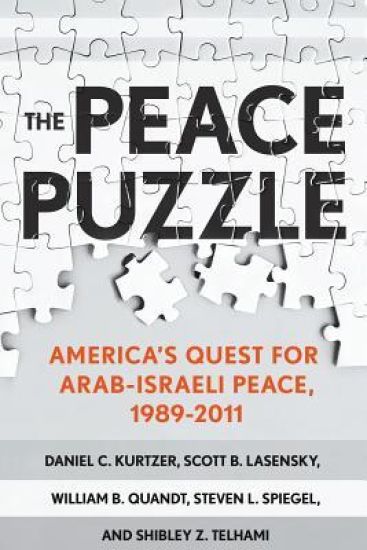
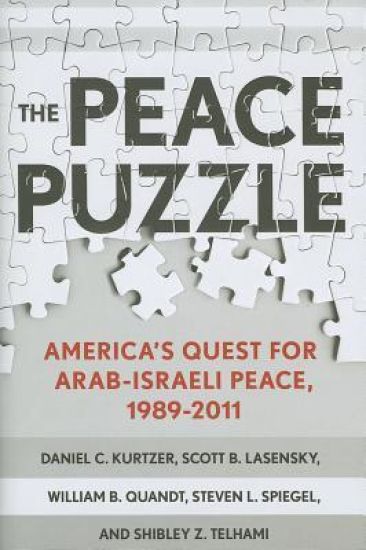
Each phase of Arab-Israeli peacemaking has been inordinately difficult in its own right, and every critical juncture and decision point in the long process has been shaped by U. S. politics and the U. S. leaders of the moment. The Peace Puzzle tracks the American determination to articulate policy, develop strategy and tactics, and see through negotiations to agreements on an issue that has been of singular importance to U. S. interests for more than forty years. In 2006, the authors of The Peace Puzzle formed the Study Group on Arab-Israeli Peacemaking, a project supported by the United States Institute of Peace, to develop a set of "best practices" for American diplomacy. The Study Group conducted in-depth interviews with more than 120 policymakers, diplomats, academics, and civil society figures and developed performance assessments of the various U. S. administrations of the post–Cold War period. This book, an objective account of the role of the United States in attempting to achieve a lasting Arab–Israeli peace, is informed by the authors' access to key individuals and official archives.
Each phase of Arab-Israeli peacemaking has been inordinately difficult in its own right, and every critical juncture and decision point in the long process has been shaped by U. S. politics and the U. S. leaders of the moment. The Peace Puzzle tracks the American determination to articulate policy, develop strategy and tactics, and see through negotiations to agreements on an issue that has been of singular importance to U. S. interests for more than forty years. In 2006, the authors of The Peace Puzzle formed the Study Group on Arab-Israeli Peacemaking, a project supported by the United States Institute of Peace, to develop a set of "best practices" for American diplomacy. The Study Group conducted in-depth interviews with more than 120 policymakers, diplomats, academics, and civil society figures and developed performance assessments of the various U. S. administrations of the post–Cold War period. This book, an objective account of the role of the United States in attempting to achieve a lasting Arab–Israeli peace, is informed by the authors' access to key individuals and official archives.
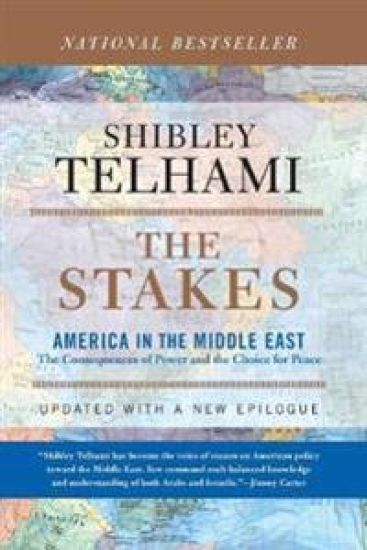
Could the United States defeat Al-Qaeda but still lose the broader war on terrorism? In The Stakes , Shibley Telhami, one of America's most in-demand commentators on the Middle East, provides a concise and penetrating analysis that explains Arab and Muslim attitudes toward the United States and shows why there is much reason for concern. In an insightful, passionate, yet balanced analysis, Telhami shows why the Arab-Israeli conflict remains central to the war on terrorism and to international stability, and considers the consequences of a post-war Iraq: its effect on Middle Eastern politics and American foreign policy, the recovery of the region, and its future with the rest of the world. The Stakes provides a well-reasoned, calm analysis that will be essential reading for anyone who wonders where America should go from here, amid the dangers and opportunities in the ever-volatile Middle East. Updated with a new epilogue.
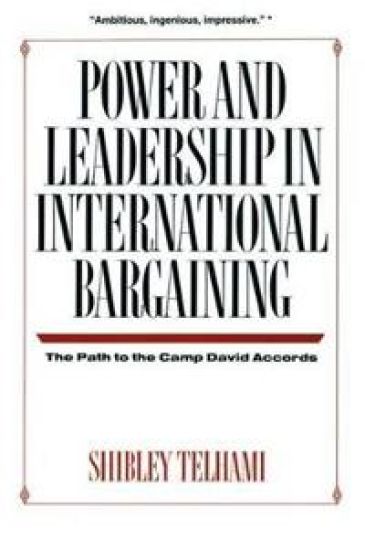
The author explores the events leading to the signing of the Camp David Accords to assess the relative weight of military and economic power, systems of government and political leadership in explaining outcomes of international bargaining. He examines why Israel and Egypt came to sign a bilateral peace agreement at the expense of Egypt's relations with the rest of the Arab world, and argues that Egypt and Israel were more interested in cementing strategic relations with the United States than in concluding an agreement with each other.
The author explores the events leading to the signing of the Camp David Accords to assess the relative weight of military and economic power, systems of government and political leadership in explaining outcomes of international bargaining.