Kirjojen hintavertailu – 12 903 724 kirjaa ja 27 kauppaa

Kirjailija

Shondel Nero

Kirjat ja teokset yhdessä paikassa: 4 kirjaa, julkaisuja vuosilta 2014–2023, suosituimpiin kuuluu Vernaculars in the Classroom. Vertaile teosten hintoja ja tarkista saatavuus suomalaisista kirjakaupoista.

4 kirjaa

Kirjojen julkaisuvuodet: 2014–2023.

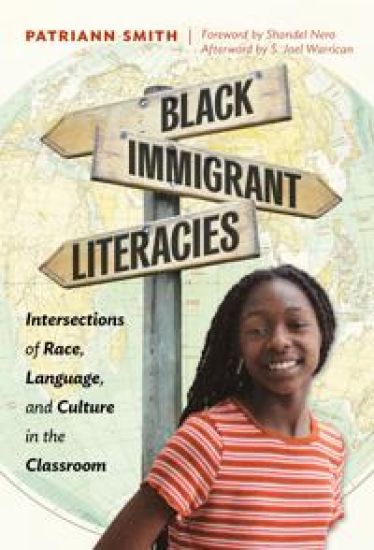
Black Immigrant Literacies

Black Immigrant Literacies

Patriann Smith; Shondel Nero; Joel Warrican

TEACHERS' COLLEGE PRESS
2023
sidottu
Learn how to center, affirm, and develop Black immigrant literacies in ways that allow all youth to engage with and honor their literacies. This book presents a framework to revolutionize teaching in ways that draw on students' assets for redesigning, rethinking, and reimagining literacy and the English Language Arts curriculum. This novel framework has five mechanisms through which Black immigrant literacies and languaging can be better understood: the struggle for justice, the myth of the model minority, transraciolinguistics, the local-global, and holistic literacies. Presenting authentic narratives of Afro-Caribbean youth, the author describes how teachers and educators can: (1) teach the Black literate immigrant; (2) use literacy and English language arts curriculum as a vehicle for instructing Black immigrant youth; (3) foster relations among Black immigrants and their peers through literacy; and (4) connect parents, schools, and communities. The text includes lesson plans, instructional modules, and templates that range in their focus from K–12 to college. Book Features:Details how teachers, curriculum, and instruction can benefit from understanding the experiences of Black immigrant students, and how that experience differs from other Black American students. Highlights authentic narratives that center the holistic voices of Afro-Caribbean immigrant youth from Jamaica and the Bahamas. Demonstrates how students grapple with racialization, becoming immigrants, and the responses of others to their use of Englishes in the United States. Offers research-based methods for teaching all students to draw on their metalinguistic, metacultural, and metaracial understandings in literacy and ELA classrooms. Presents concrete strategies for supporting Black immigrant populations in establishing and sustaining a sense of community across linguistic, cultural, and racial contexts.
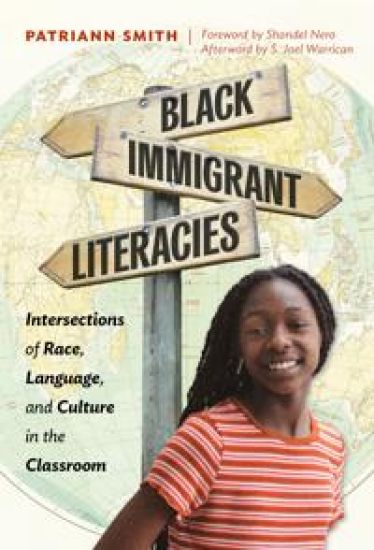
Black Immigrant Literacies

Black Immigrant Literacies

Patriann Smith; Shondel Nero; Joel Warrican

TEACHERS' COLLEGE PRESS
2023
nidottu
Learn how to center, affirm, and develop Black immigrant literacies in ways that allow all youth to engage with and honor their literacies. This book presents a framework to revolutionize teaching in ways that draw on students' assets for redesigning, rethinking, and reimagining literacy and the English Language Arts curriculum. This novel framework has five mechanisms through which Black immigrant literacies and languaging can be better understood: the struggle for justice, the myth of the model minority, transraciolinguistics, the local-global, and holistic literacies. Presenting authentic narratives of Afro-Caribbean youth, the author describes how teachers and educators can: (1) teach the Black literate immigrant; (2) use literacy and English language arts curriculum as a vehicle for instructing Black immigrant youth; (3) foster relations among Black immigrants and their peers through literacy; and (4) connect parents, schools, and communities. The text includes lesson plans, instructional modules, and templates that range in their focus from K–12 to college. Book Features:Details how teachers, curriculum, and instruction can benefit from understanding the experiences of Black immigrant students, and how that experience differs from other Black American students. Highlights authentic narratives that center the holistic voices of Afro-Caribbean immigrant youth from Jamaica and the Bahamas. Demonstrates how students grapple with racialization, becoming immigrants, and the responses of others to their use of Englishes in the United States. Offers research-based methods for teaching all students to draw on their metalinguistic, metacultural, and metaracial understandings in literacy and ELA classrooms. Presents concrete strategies for supporting Black immigrant populations in establishing and sustaining a sense of community across linguistic, cultural, and racial contexts.
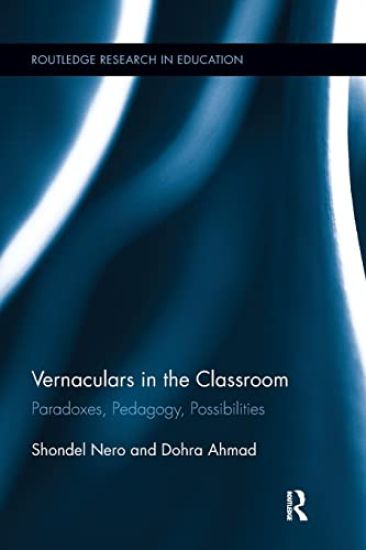
Vernaculars in the Classroom

Vernaculars in the Classroom

Shondel Nero; Dohra Ahmad

Routledge
2016
nidottu
This book draws on applied linguistics and literary studies to offer concrete means of engaging with vernacular language and literature in secondary and college classrooms. The authors embrace a language-as-resource orientation, countering the popular narrative of vernaculars as problems in schools. The book is divided into two parts, with the first half of the book providing linguistic and pedagogical background, and the second half offering literary case studies for teaching. Part I examines the historical and continued devaluing of vernaculars in schools, incorporating clear, usable explanations of relevant theories. This section also outlines the central myths and paradoxes surrounding vernacular languages and literatures, includes productive ways for teachers to address those myths and paradoxes, and explores challenges and possibilities for vernacular language pedagogy. In Part II, the authors provide pedagogical case studies using literary texts written in vernacular Englishes from around the world. Each chapter examines a vernacular-related topic, and concludes with discussion questions and writing assignments; an appendix contains the poems and short stories discussed, and other teaching resources. The book provides a model of interdisciplinary inquiry that can be beneficial to scholars and practitioners in composition, literature, and applied linguistics, as well as students of all linguistic backgrounds.
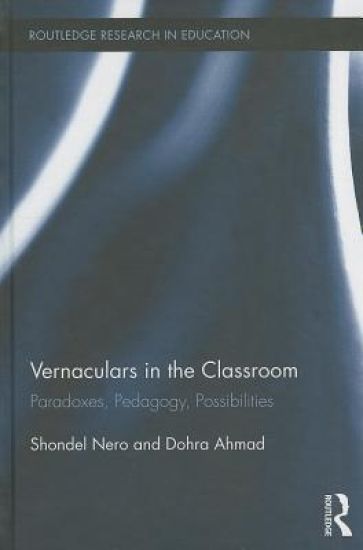
Vernaculars in the Classroom

Vernaculars in the Classroom

Shondel Nero; Dohra Ahmad

Routledge
2014
sidottu
This book draws on applied linguistics and literary studies to offer concrete means of engaging with vernacular language and literature in secondary and college classrooms. The authors embrace a language-as-resource orientation, countering the popular narrative of vernaculars as problems in schools. The book is divided into two parts, with the first half of the book providing linguistic and pedagogical background, and the second half offering literary case studies for teaching. Part I examines the historical and continued devaluing of vernaculars in schools, incorporating clear, usable explanations of relevant theories. This section also outlines the central myths and paradoxes surrounding vernacular languages and literatures, includes productive ways for teachers to address those myths and paradoxes, and explores challenges and possibilities for vernacular language pedagogy. In Part II, the authors provide pedagogical case studies using literary texts written in vernacular Englishes from around the world. Each chapter examines a vernacular-related topic, and concludes with discussion questions and writing assignments; an appendix contains the poems and short stories discussed, and other teaching resources. The book provides a model of interdisciplinary inquiry that can be beneficial to scholars and practitioners in composition, literature, and applied linguistics, as well as students of all linguistic backgrounds.