Kirjojen hintavertailu – 12 859 818 kirjaa ja 27 kauppaa
Kirjailija
Shose Kessi
Kirjat ja teokset yhdessä paikassa: 4 kirjaa, julkaisuja vuosilta 2022–2023, suosituimpiin kuuluu Pan-Africanism and Psychology in Decolonial Times. Vertaile teosten hintoja ja tarkista saatavuus suomalaisista kirjakaupoista.
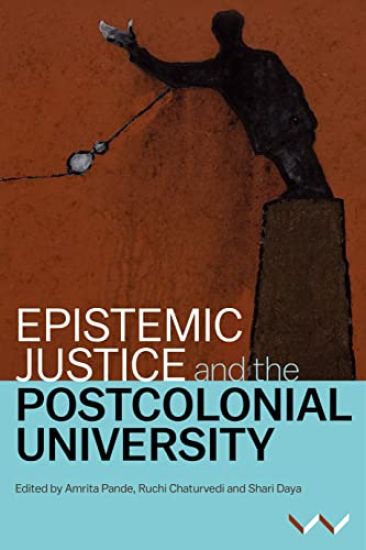
This book addresses urgent current debates on decolonisation by offering reimagined teaching and learning interventions for obtaining greater epistemic justice in the contemporary postcolonial university. At a time when debates on decolonisation have gained urgency in academic, civic and public spaces, this interdisciplinary collection by authors based at the University of Cape Town, South Africa, serves as a valuable archive documenting and reflecting on a turbulent period in South African higher education. It is an important resource for academics looking to grasp debates on decoloniality both in South Africa, and in university and teaching spaces further afield. Calling for concerted and collaborative work towards greater epistemic justice across diverse disciplines, the book puts forward a new vision of the postcolonial university as one that enables excellent teaching and learning, undertaken in a spirit of critical consciousness and reciprocity.
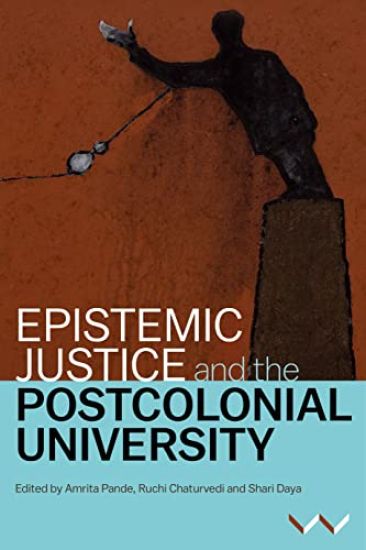

This book explores the potential of Pan-African thought in contributing to advancing psychological research, theory and practice. Euro/American mainstream psychology has historically served the interests of a dominant western paradigm. Contemporary trends in psychological work have emerged as a direct result of the impact of violent histories of slavery, genocide and colonisation. Hence, this book proposes that psychology, particularly in its social forms, as a discipline centered on the relationship between mind and society, is well-placed to produce the critical knowledge and tools for imagining and promoting a just and equitable world.