Kirjojen hintavertailu – 12 903 739 kirjaa ja 27 kauppaa

Kirjailija

Silviano Santiago

Kirjat ja teokset yhdessä paikassa: 7 kirjaa, julkaisuja vuosilta 1994–2023, suosituimpiin kuuluu Brasilien berättar : ljud av steg. Vertaile teosten hintoja ja tarkista saatavuus suomalaisista kirjakaupoista.

7 kirjaa

Kirjojen julkaisuvuodet: 1994–2023.

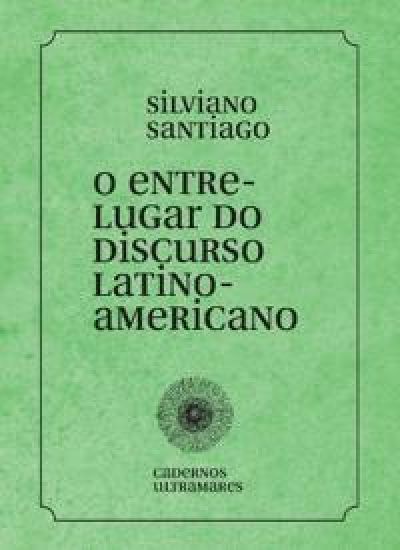
O entre-lugar do discurso latino-americano

O entre-lugar do discurso latino-americano

Silviano Santiago

Azougue Press
2023
pokkari
Cadernos Ultramares seeks to present Brazilian culture and thought in a qualified way, through volumes bringing together important essays by renowned authors in different areas of knowledge. This volume brings together two of Silviano Santiago's major essays. "O entre-lugar do discurso latino-americano" makes a blunt and original analysis of Latin American literature and thought in dialogue with the philosophical perspective of Derrida and Foucault. "Poder e alegria" brings an accurate reflection on Brazilian literature after the military coup of 1964.
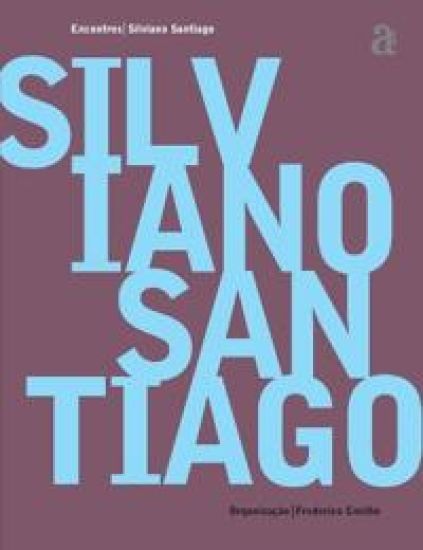
Silviano Santiago - Encontros

Silviano Santiago - Encontros

Silviano Santiago

Azougue Press
2023
nidottu
Encontros (Meetings) is the largest and most prestigious book collection of interviews with Brazilian artists and thinkers. With more than 50 published titles, Encontros provides a broad panorama of Brazil's cultural and intellectual wealth. Professor, critic, and essayist, Silviano Santiago is one of the most esteemed, productive, and brilliant names in Brazilian literature. This volume of the Cole o Encontros - which brings together the best interviews of this restless writer - allows us to learn how he confronts the great contemporary issues in both his theoretical and fictional work.
Brasilien berättar : ljud av steg

Brasilien berättar : ljud av steg

Tatiana Salem Levy; Rubem Fonseca; Luiz Ruffato; Tércia Montenegro; Lygia Fagundes Telles; Adriana Lisboa; Cíntia Moscovich; Márcia Denser; Caio Fernando Abreu; Silviano Santiago; Moacyr Scliar; Rubens Figueiredo; Fernando Bonassi; Marçal Aquino; Veronica Stigger; Clarice Lispector; André Sant’Anna; Luiz Vilela; Amilcar Bettega Barbosa; João Anzanello Carrascoza

Bokförlaget Tranan
2019
nidottu
Den samtida brasilianska novellkonsten är utpräglat urban, och liksom storstaden är den heterogen, bildrik och oförutsägbar. Sedan sextiotalet har mångfalden av stilar ständigt blivit allt större. 1970-talets boom har ofta beskrivits som en storhetstid för novellen i Brasilien, men egentligen har novellen sedan dess aldrig dragit sig tillbaka. Det finns en kontinuitet i viljan till förnyelse, från Clarice Lispector via Silviano Santiago till yngre författare som Adriana Lisboa. Den här antologin tar avstamp med några moderna klassiker från sjuttiotalet, men tonvikten ligger på det nya. De flesta av bokens berättelser har skrivits under de senaste femton åren. Dagens brasilianska novellister visar upp en rad vitt skilda sätt att gestalta den moderna människans situation. Här finns extrem realism, formmässigt experimenterande, erotiska allegorier; här finns omsorgsfullt utmejslade karaktärer sida vid sida med klichéfigurer i masskommunikationens värld. Antologin innehåller följande noveller: João Anzanello Carrascoza: Navelsträngslikt Luiz Ruffato: Yrsel Tatiana Salem Levy: Modlöshet Veronica Stigger: Olivia Tandpetare André Sant’Anna: Mina memoarer Adriana Lisboa: [Mikronoveller] Amilcar Bettega Barbosa: Ärftligt Cíntia Moscovich: Taket och spelmannen Tércia Montenegro: DT Marçal Aquino: Rost Marçal Aquino: Fabel Fernando Bonassi: [Mikronoveller] Rubens Figueiredo: Utan de andra Silviano Santiago: Days of Wine and Roses Moacyr Scliar: Van Goghs öra Márcia Denser: Vampyren på Alameda Casabranca Caio Fernando Abreu : De där båda Clarice Lispector: Ljud av steg Luiz Vilela: Den sista rakningen Lygia Fagundes Telles: Såpbubblans struktur Rubem Fonseca: Den andre
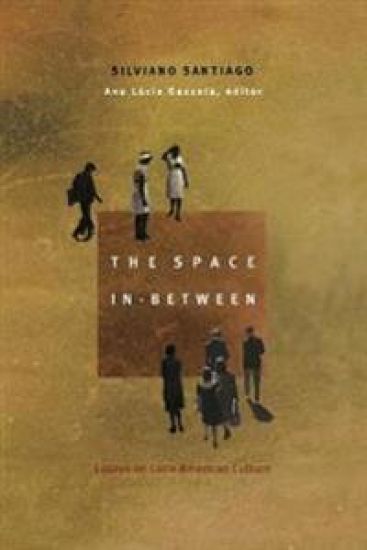
The Space in-Between

The Space in-Between

Silviano Santiago

Duke University Press
2002
sidottu
Silviano Santiago has been a pioneer in the development of concepts crucial to the discourse of contemporary critical and cultural theory, especially postcolonial theory. The notions of “hybridity” and “the space in-between” have been so completely absorbed into current theory that few scholars even realize these terms began with Santiago. He was the first to introduce poststructuralist thought to Brazil-via his publication of the Glossario de Derrida and his role as a prominent teacher. The Space In-Between translates many of his seminal essays into English for the first time and, in the process, introduces the thought of one of Brazil’s foremost critics and theorists of the late twentieth century. Santiago’s work creates a theoretical field that transcends both the study of a specific national literature and the traditional perspectives of comparative literature. He examines the pedagogical and modernizing mission of Western voyagers from the conquistadors to the present. He deconstructs the ideas of “original” and “copy,” unpacking their implications for the notions of so-called dominant and dominated cultures. Santiago also confronts questions of cultural dependency and analyzes the problems involved in the imposition of an alien European history, the cultural displacements experienced by the Indians through their religious conversion, and the hierarchical suppression of native and Afro-Brazilian values. Elegantly written and translated, The Space In-Between will provide insights and perspectives that will interest cultural and literary theorists, postcolonial scholars, and other students of contemporary culture.
The Space in-Between

The Space in-Between

Silviano Santiago

Duke University Press
2002
pokkari
Silviano Santiago has been a pioneer in the development of concepts crucial to the discourse of contemporary critical and cultural theory, especially postcolonial theory. The notions of “hybridity” and “the space in-between” have been so completely absorbed into current theory that few scholars even realize these terms began with Santiago. He was the first to introduce poststructuralist thought to Brazil-via his publication of the Glossario de Derrida and his role as a prominent teacher. The Space In-Between translates many of his seminal essays into English for the first time and, in the process, introduces the thought of one of Brazil’s foremost critics and theorists of the late twentieth century. Santiago’s work creates a theoretical field that transcends both the study of a specific national literature and the traditional perspectives of comparative literature. He examines the pedagogical and modernizing mission of Western voyagers from the conquistadors to the present. He deconstructs the ideas of “original” and “copy,” unpacking their implications for the notions of so-called dominant and dominated cultures. Santiago also confronts questions of cultural dependency and analyzes the problems involved in the imposition of an alien European history, the cultural displacements experienced by the Indians through their religious conversion, and the hierarchical suppression of native and Afro-Brazilian values. Elegantly written and translated, The Space In-Between will provide insights and perspectives that will interest cultural and literary theorists, postcolonial scholars, and other students of contemporary culture.
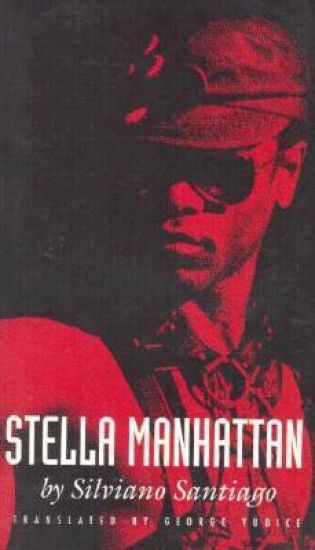
Stella Manhattan

Stella Manhattan

Silviano Santiago

Duke University Press
1994
sidottu
Twice the winner of the Brazilian national book award, Silviano Santiago caused a sensation in 1985 with the publication of Stella Manhattan, a story of sexual scandal and political intrigue. Set in the Brazilian exile community in New York City in the late 1960s, this noir novel is an electrifying adventure story of a young gay Brazilian man trying to make a go of it in New York. After being forced from his native country by an unforgiving father who embodies the authoritarian temper of the Brazilian dictatorship and is embarrassed by his son’s homosexuality and transvestism, Stella Manhattan, alter ego of Eduardo da Costa e Silva, lands a job in the Brazilian consulate with the help of his father’s friend, Colonel Valdevinos Vianna. Eduardo is also recruited by Vianna to help him bring his own alter ego, the sadomasochist Black Widow, out of the closet. Transformed by black leather, the Black Widow cruises the streets and bars of New York in search of American flesh. Surrounding the relationship between these two men is a group of Brazilian guerrillas who attempt to press Eduardo into their service in order to entrap the colonel. The guerrillas are at the center of a network of revolutionaries, from the Cubans to the Black Panthers and the Young Lords. Virtually apolitical, Eduardo/Stella is drawn by desire into the conflict between the Brazilian government and its communist opposition. Eduardo also gets caught in the designs of other memorable characters of various sexual and political persuasions: the reactionary professor AnÍbal, confined to a wheelchair, who enjoys watching his wife Leila make love with men she picks up on the street; and Paco, alias La Cucaracha, a flamboyant queen, a rabid anti-Castro Cuban exile, and the most sympathetic of this gallery of outcasts. Working through two complex themes-politics and sex-Santiago sets the action in New York to emphasize the interaction of the seemingly contradictory impulses of liberation and Americanization that Brazil underwent in the late 1960s. As in Manuel Puig’s Kiss of the Spider Woman, political and sexual liberation cut two ways-neither one necessarily compatible with the other. Exploring the complexities of repression that affect all forms of identity, Santiago mingles tragedy and farce as international intrigues are played out in New York’s Latino and black neighborhoods, and the genteel world of international diplomacy is thrust into the milieu of urban gay street life.

Stella Manhattan

Stella Manhattan

Silviano Santiago

Duke University Press
1994
pokkari
Twice the winner of the Brazilian national book award, Silviano Santiago caused a sensation in 1985 with the publication of Stella Manhattan, a story of sexual scandal and political intrigue. Set in the Brazilian exile community in New York City in the late 1960s, this noir novel is an electrifying adventure story of a young gay Brazilian man trying to make a go of it in New York. After being forced from his native country by an unforgiving father who embodies the authoritarian temper of the Brazilian dictatorship and is embarrassed by his son’s homosexuality and transvestism, Stella Manhattan, alter ego of Eduardo da Costa e Silva, lands a job in the Brazilian consulate with the help of his father’s friend, Colonel Valdevinos Vianna. Eduardo is also recruited by Vianna to help him bring his own alter ego, the sadomasochist Black Widow, out of the closet. Transformed by black leather, the Black Widow cruises the streets and bars of New York in search of American flesh. Surrounding the relationship between these two men is a group of Brazilian guerrillas who attempt to press Eduardo into their service in order to entrap the colonel. The guerrillas are at the center of a network of revolutionaries, from the Cubans to the Black Panthers and the Young Lords. Virtually apolitical, Eduardo/Stella is drawn by desire into the conflict between the Brazilian government and its communist opposition. Eduardo also gets caught in the designs of other memorable characters of various sexual and political persuasions: the reactionary professor AnÍbal, confined to a wheelchair, who enjoys watching his wife Leila make love with men she picks up on the street; and Paco, alias La Cucaracha, a flamboyant queen, a rabid anti-Castro Cuban exile, and the most sympathetic of this gallery of outcasts. Working through two complex themes-politics and sex-Santiago sets the action in New York to emphasize the interaction of the seemingly contradictory impulses of liberation and Americanization that Brazil underwent in the late 1960s. As in Manuel Puig’s Kiss of the Spider Woman, political and sexual liberation cut two ways-neither one necessarily compatible with the other. Exploring the complexities of repression that affect all forms of identity, Santiago mingles tragedy and farce as international intrigues are played out in New York’s Latino and black neighborhoods, and the genteel world of international diplomacy is thrust into the milieu of urban gay street life.