Kirjojen hintavertailu – 12 903 724 kirjaa ja 27 kauppaa

Kirjailija

Simon Feeny

Kirjat ja teokset yhdessä paikassa: 4 kirjaa, julkaisuja vuosilta 2009–2016, suosituimpiin kuuluu Household Vulnerability and Resilience to Economic Shocks. Vertaile teosten hintoja ja tarkista saatavuus suomalaisista kirjakaupoista.

4 kirjaa

Kirjojen julkaisuvuodet: 2009–2016.

Household Vulnerability and Resilience to Economic Shocks
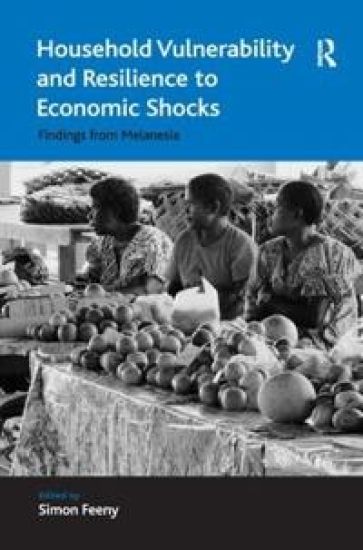
Focusing on the vulnerability and resilience to economic shocks at the household level, this book draws on extensive research activities carried out in two Melanesia countries: the Solomon Islands and Vanuatu. In particular, it identifies the household impacts of the recent food, fuel and economic crises. The contributors also examine resilience by identifying how households responded to these recent economic events in order to cope with their impacts. Findings indicate that households are vulnerable to a range of shocks and often struggle to cope with their impacts. Shocks are making it harder for households to meet their basic needs. Households in Melanesia are facing increasing demands for money, in particular for school fees, basic foodstuffs and customary obligations. Concurrently, there are limited domestic opportunities for formal employment. Traditional social support networks are strong and are an important form of resilience. However, there is evidence that they are disintegrating. Of particular focus are the gendered impacts. Women are found to bear a disproportionate share of the burden in adjusting to household shocks. The authors highlight key areas in which public policy and development programmes can reduce household vulnerability and increase their resilience to future economic shocks.
Household Vulnerability and Resilience to Economic Shocks
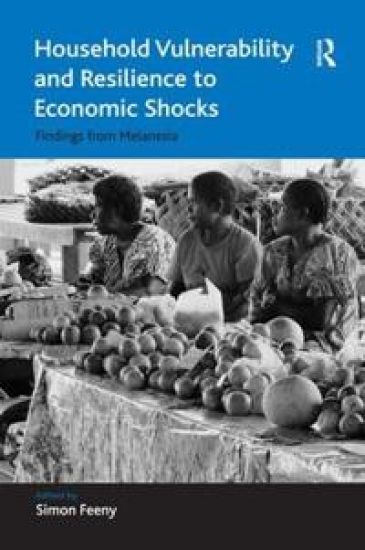
Focusing on the vulnerability and resilience to economic shocks at the household level, this book draws on extensive research activities carried out in two Melanesia countries: the Solomon Islands and Vanuatu. In particular, it identifies the household impacts of the recent food, fuel and economic crises. The contributors also examine resilience by identifying how households responded to these recent economic events in order to cope with their impacts. Findings indicate that households are vulnerable to a range of shocks and often struggle to cope with their impacts. Shocks are making it harder for households to meet their basic needs. Households in Melanesia are facing increasing demands for money, in particular for school fees, basic foodstuffs and customary obligations. Concurrently, there are limited domestic opportunities for formal employment. Traditional social support networks are strong and are an important form of resilience. However, there is evidence that they are disintegrating. Of particular focus are the gendered impacts. Women are found to bear a disproportionate share of the burden in adjusting to household shocks. The authors highlight key areas in which public policy and development programmes can reduce household vulnerability and increase their resilience to future economic shocks.
Attitudes to National Identity in Melanesia and Timor-Leste

Attitudes to National Identity in Melanesia and Timor-Leste

Heather Wallace; Matthew Clarke; Simon Feeny

Peter Lang AG, Internationaler Verlag der Wissenschaften
2013
nidottu
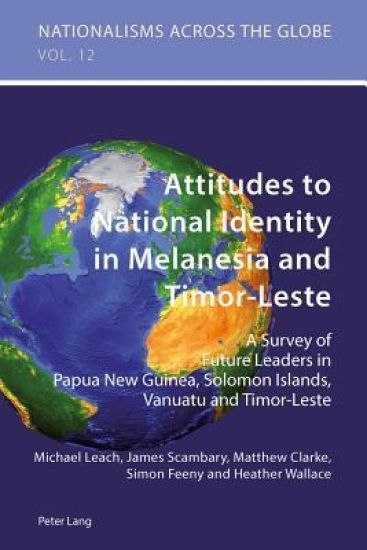
This book examines the attitudes of tertiary students in Melanesia and Timor-Leste to national identity and key issues of nation-building. Their views are pivotal to understanding the challenges of building a more cohesive sense of national identity and political community in these states. Melanesian countries show a relatively high degree of similarity in their responses to the surveys on national identity carried out by the authors, but with key differences attributable to particular historical, regional or linguistic legacies of colonial rule. The ongoing importance of traditional authority and kastom/adat in conceptions of political community and identity is evident in all four case study sites, and in each case matches indicators of respect for modern state authority. Although different for each site, the authors’ findings also illustrate the importance of students’ geographical region of origin, language orientation and gender in explaining key differences in attitudes towards national identity. The book demonstrates that strong levels of national identification and pride persist among the future leaders of the countries surveyed, even in the face of ongoing regional and linguistic divisions and weak state capacity, suggesting a strong potential basis for nation-building agendas if wider challenges of democratic performance, service provision and regional development can be addressed over time.
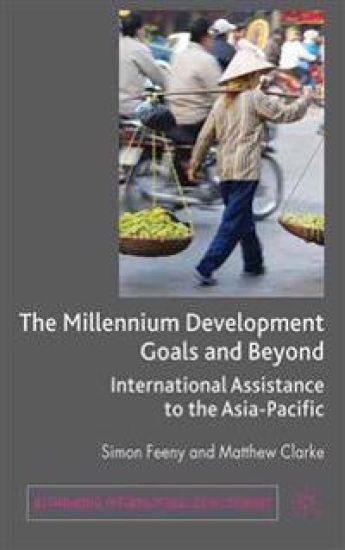
The Millennium Development Goals and Beyond

The Millennium Development Goals and Beyond

Simon Feeny; Matthew Clarke

Palgrave Macmillan
2009
sidottu
This book examines how international aid donors and Non-Governmental Organisations (NGOs) can assist countries in the Asia-Pacific region achieve the Millennium Development Goals. The book examines the progress countries have made towards the MDGs and highlights the need to tailor the goals to individual country circumstances.