Kirjojen hintavertailu – 12 859 828 kirjaa ja 27 kauppaa

Kirjailija

Simon Fowler

Kirjat ja teokset yhdessä paikassa: 13 kirjaa, julkaisuja vuosilta 2010–2025, suosituimpiin kuuluu Bequia Express. Vertaile teosten hintoja ja tarkista saatavuus suomalaisista kirjakaupoista.

13 kirjaa

Kirjojen julkaisuvuodet: 2010–2025.

Known Unto God

Known Unto God

Simon Fowler

Amberley Publishing
2025
sidottu

Halvin toimitettuna 35,00 €

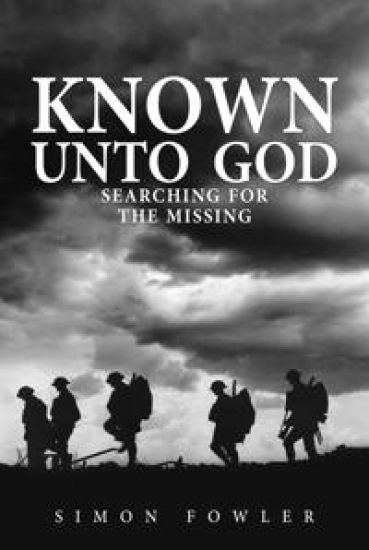
Why were there so many missing in the First World War? What do we know about the battlefield casualties, the dead and the wounded, the prisoners of war, the deserters? The Great War produced casualties on an unprecedented scale. Published to commemorate the centenary of the Cenotaph, English historian Simon Fowler describes the exhaustive hunt for servicemen, many who remain missing to this day. He describes how Britain reacted to the shocking news from the front and how grieving could be worse for relatives of the missing. This book examines how vital information gathered from the POW information bureaux, the International Red Cross, embassies and other sources in Germany were carefully pieced together in the search for bodies. It also documents the power of rumour and the shadowy world of spiritualists and conmen who exploited a nation’s grief. The poignant story of those missing in action includes conflicts that followed the Great War, including the Second World War and the Vietnam. This book reveals how bodies have been recovered and how we memorialise the missing through the Cenotaph, the Tomb of Unknown Warrior and many other monuments.
How to Research your Second World War Ancestors

How to Research your Second World War Ancestors

Simon Fowler

THE HISTORY PRESS LTD
2025
nidottu

Halvin toimitettuna 33,90 €

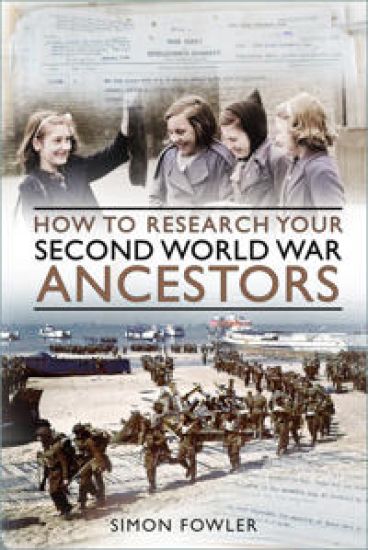
It has never been easier to research what your parents and grandparents and family members did in the Second World War – whether they were in the armed forces, the Home Guard or worked in factories on the home front. For anyone looking to learn more about their family’s past, this book provides all the tools and information to get started, explains what is available online (as well as what is not) and outlines the pitfalls to avoid. A wide range of background information on the war itself will also help place your ancestors’ experiences within the wider context of the Second World War. This book provides a comprehensive review of all the available resources, where they are to be found and how to make the best use of them; not just for the United Kingdom, but also for the Commonwealth, Europe and the United States. An essential guide, it makes an increasingly important aspect of family history both interesting and accessible to anyone looking to learn more about their past.
Tracing Your First World War Ancestors - Second Edition

Tracing Your First World War Ancestors - Second Edition

Simon Fowler

Pen Sword Family History
2021
nidottu
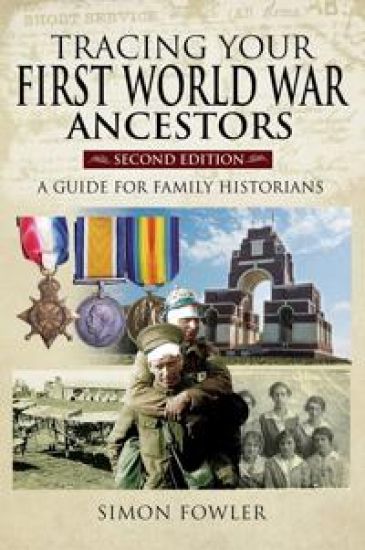
The First World War was perhaps the most traumatic event of the Twentieth Century. Millions of men, women and children were affected by it. And it still has a resonance today more than a hundred years after the Armistice. This guide offers a simple, yet comprehensive, guide to researching the men and women from Britain - and its dominions and colonies - who took part in the First World War either at the front or at home It is an accessible, up-to-date and expert introduction to get you on your way and to answer those questions you might come across during your researches. In a straightforward, easy-to-follow style the book introduces readers to the multitude of sources they can use to explore the history of the First World War for themselves. In a series of short, instructive chapters the book takes the reader through the process of researching ancestors who served during the First World War providing short cuts and background information as required. The book covers the key sources, including the National Archives and the many online sites that researchers can turn to. It also covers records of casualties, munitions workers, conscientious objectors and service personnel from the British Dominions.
Tracing Your Army Ancestors - 3rd Edition: A Guide for Family Historians
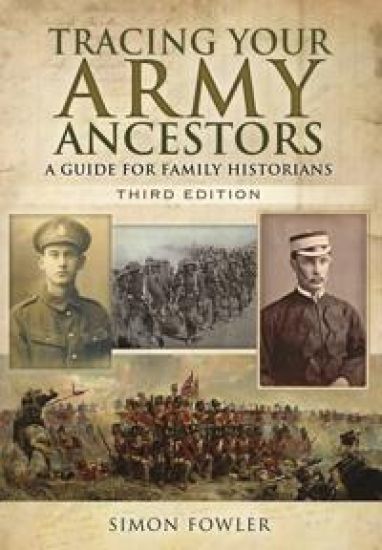
'This well-known author has produced yet another excellent guide for researching ancestors who have served in the Army. The book is an ideal text for reference when investigating army personnel.' Military Archive Research.com. 'A splendid publication with a great deal of valuable information.' Michael Brooker, Guild of Battlefield Guides. Whether you are interested in the career of an individual officer, researching medals awarded to a soldier, or just want to know more about a particular battle or campaign, this book will point you in the right direction. Assuming the reader has no prior knowledge of the British Army, its history or organization, Simon Fowler explains what records survive, where they are to be found and how they can help you in your research. He shows how to make the best use of the increasing number of related resources to be found online, and he pays particular attention to explaining the records and the reasons behind their creation, as this information can be very important in understanding how these documents can help your research.
The Silence of the Archive

The Silence of the Archive

David Thomas; Simon Fowler; Valerie Johnson

Facet Publishing
2017
sidottu
In recent years big data initiatives, not to mention Hollywood, the video game industry and countless other popular media, have reinforced and even glamorized the public image of the archive as the ultimate repository of facts and the hope of future generations for uncovering ‘what actually happened’. The reality is, however, that for all sorts of reasons the record may not have been preserved or survived in the archive. In fact, the record may never have even existed – its creation being as imagined as is its contents. And even if it does exist, it may be silent on the salient facts, or it may obfuscate, mislead or flat out lie. The Silence of the Archive is written by three expert and knowledgeable archivists and draws attention to the many limitations of archives and the inevitability of their having parameters. Silences or gaps in archives range from details of individuals’ lives to records of state oppression or of intelligence operations. The book brings together ideas from a wide range of fields, including contemporary history, family history research and Shakespearian studies. It describes why these silences exist, what the impact of them is, how researchers have responded to them, and what the silence of the archive means for researchers in the digital age. It will help provide a framework and context to their activities and enable them to better evaluate archives in a post-truth society. This book includes discussion of: enforced silencesexpectations and when silence means silencedigital preservation, authenticity and the futuredealing with the silencepossible solutions; challenging silence and acceptancethe meaning of the silences: are things getting better or worse?user satisfaction and audience development. This book will make compelling reading for professional archivists, records managers and records creators, postgraduate and undergraduate students of history, archives, librarianship and information studies, as well as academics and other users of archives.
The Silence of the Archive

The Silence of the Archive

David Thomas; Simon Fowler; Valerie Johnson

Facet Publishing
2017
nidottu
In recent years big data initiatives, not to mention Hollywood, the video game industry and countless other popular media, have reinforced and even glamorized the public image of the archive as the ultimate repository of facts and the hope of future generations for uncovering ‘what actually happened’. The reality is, however, that for all sorts of reasons the record may not have been preserved or survived in the archive. In fact, the record may never have even existed – its creation being as imagined as is its contents. And even if it does exist, it may be silent on the salient facts, or it may obfuscate, mislead or flat out lie. The Silence of the Archive is written by three expert and knowledgeable archivists and draws attention to the many limitations of archives and the inevitability of their having parameters. Silences or gaps in archives range from details of individuals’ lives to records of state oppression or of intelligence operations. The book brings together ideas from a wide range of fields, including contemporary history, family history research and Shakespearian studies. It describes why these silences exist, what the impact of them is, how researchers have responded to them, and what the silence of the archive means for researchers in the digital age. It will help provide a framework and context to their activities and enable them to better evaluate archives in a post-truth society. This book includes discussion of: enforced silencesexpectations and when silence means silencedigital preservation, authenticity and the futuredealing with the silencepossible solutions; challenging silence and acceptancethe meaning of the silences: are things getting better or worse?user satisfaction and audience development. This book will make compelling reading for professional archivists, records managers and records creators, postgraduate and undergraduate students of history, archives, librarianship and information studies, as well as academics and other users of archives.
Family History: Digging Deeper

Family History: Digging Deeper

Simon Fowler

The History Press Ltd
2012
nidottu
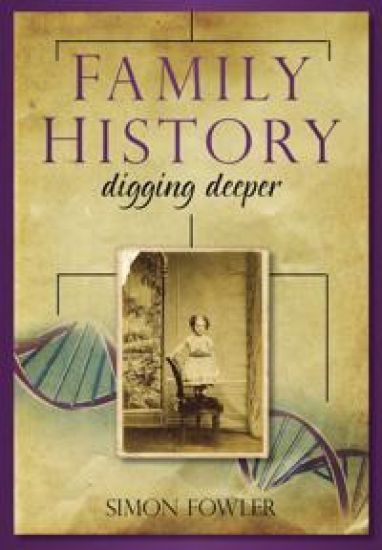
An exciting new addition to any family historian’s library, Family History: Digging Deeper will take your research to the next level. Joined by a team of expert genealogists, Simon Fowler covers a range of topics and provides clear advice for the intermediate genealogist. Helping you push back the barriers, this book details how to utilise the internet in your research and suggests some unusual archives and records which might just transform your research. It will teach you about genealogical traditions, variants of family history around the world and even the abuse of genealogy by the Nazis. It will help you understand current developments in DNA testing, new resources and digitised online material. Problem-solving sections are also included to help tackle common difficulties and provide answers to the brick walls often reached when researching one’s ancestors. If you want to dig deeper into your family tree and the huge array of records available, then this book is for you.
Tracing Your Naval Ancestors

Tracing Your Naval Ancestors

Simon Fowler

Pen Sword Books Ltd
2012
nidottu
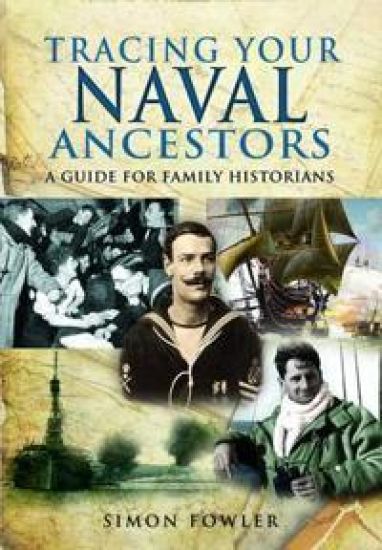
This concise guide to naval history and naval records is essential reading and reference for anyone researching the fascinating story of Britain's Navy and the men and women who served in it. Whether you are interested in the career of an individual seaman, finding out about a medal winner or just want to know more about a particular ship, campaign or operation, this book will point you in the right direction. Simon Fowler assumes the reader has little prior knowledge of the Navy and its history. His book shows you how to trace an officer, petty officer or rating from the seventeenth century up to the 1960s using records at the National Archives and elsewhere. The book also covers the specialist and auxiliary services associated with the Navy - among them the Royal Marines, the Fleet Air Arm, the naval dockyards, the WRNS and the Fleet Auxiliary. In each section he explains which records survive, where they can be found and how they can be used for research. He also recommends resources available online as well as books and memoirs. His handbook is a valuable research tool for anyone who is keen to find out about the career of an ancestor who served in the Royal Navy or was connected with it. Simon Fowler is a leading authority on military and family history and a prolific writer on these subjects. He once edited the National Archives' family history magazine Ancestors. For nearly 20 years he was an archivist at the Public Record Office (now The National Archives). As well as publishing many articles in magazines and journals, he has written several well-known books on military and family history, including: Tracing Your Army Ancestors, A Guide to Military Historyon the Internet and Tracing Your Ancestors. He is also a professional researcher - find out more at www.history-man.co.uk.
Tracing Your Ancestors: A Guide for Family Historians
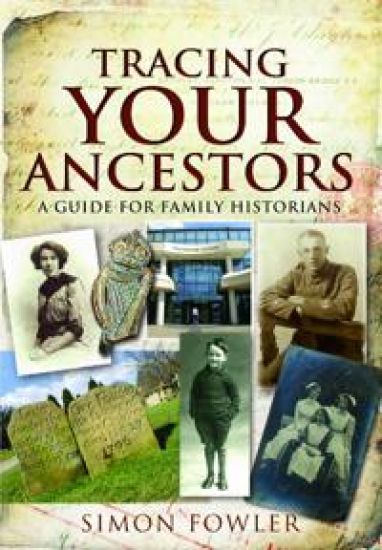
This accessible, well-organized, easy-to-use beginners' guide to the world of family history is essential reading for anyone who wants to find their way into this fascinating subject. In a series of short, practical chapters Simon Fowler takes readers through all the first steps that will reveal the lives of their ancestors and the world they lived in. He looks at every aspect of research, from finding family papers and interviewing relatives, through exploring websites, archives, newspapers and directories, to all the other sources that can throw a light into the past. In a clear, straightforward way he explains how vital records of births, marriages and deaths can be used as the starting point in a sequence of eye-opening family detective work. Simon Fowler's introduction, which is founded on a career of genealogical research and writing, is an indispensable basic book for anyone entering in the field.