Kirjojen hintavertailu – 12 903 735 kirjaa ja 27 kauppaa
Kirjailija
Simon Fox
Kirjat ja teokset yhdessä paikassa: 8 kirjaa, julkaisuja vuosilta 2011–2025, suosituimpiin kuuluu Stop Back Pain!. Vertaile teosten hintoja ja tarkista saatavuus suomalaisista kirjakaupoista.
Tom thought going to a luxury ski resort was the holiday he and his mum needed. But he didn't expect kidnappers to take over their chalet - looking for the dangerous technology her boss has created - or for an avalanche to trap them even further. Can Tom figure a way out, before it's too late?
Grab your pencil and your sonic screwdriver – the official Doctor Who puzzle book is here! From Block Transfer Computations and encrypted UNIT data to TARDIS codebreakers and Wibbly-Wobbly-Timey-Wimey word games, each of the puzzles in this book presents a challenge unlike any other. Every brainteaser is designed to test not only your wits, but your Doctor Who knowledge, and is packed with fun references and sneaky sticklers – it's not to be missed by any Doctor Who fan.
Perfect for fans of Alex Rider and Artemis Fowl, Simon Fox's latest action-packed thriller is ideal for readers too young for Jack Reacher or Line of Duty. Archie Blake thought his policeman father teaching him how to pick locks and open safes was just a bit of fun.
A thrilling, unputdownable debut, with extraordinary twists and incredible action, from an incredible new voice in children's fiction. I can steal time. The most I can take at the moment is fifteen seconds, which is not a lot.
There is an increasing number of immunocompromised patients across a widening range of specialities in medicine. Patients with underlying malignancy, as well as transplant patients, are now living longer in a vulnerable immune state. Previously, patients were only seen by small specialist transplant, haematology, or oncology teams. Modern techniques mean that patients undergoing care in many specialities such as dermatology, rheumatology, gastroenterology, and acute general medicine, are being immunosuppressed to modify their underlying disease, and treated directly by their own specialists. The most pressing problems that these patients suffer from are usually related to fever and infection. The Oxford Specialist Handbook of Infection in the Immunocompromised Host is a comprehensive guide for medical staff caring for immunocompromised patients in a hospital setting. Divided into three sections, it is the ideal source for clear, up-to-date information needed on the ward. The book starts with a background of the field, followed by a section that provides a 'host', or patient-centred, approach to presentations in different immunocompromised states. It discusses the assessment, investigation, and management of clinical syndromes in patients with primary immunodeficiency, HIV infection, immunodeficiency as a result of therapeutic immunosuppression, haematological and solid organ malignancy, and immunodeficiency related to organ transplant. In addition, it covers medical conditions resulting in defective immunity, such as diabetes, mellitus, and chronic renal failure, and provides information on travel in the immunocompromised host. The third section provides a pathogen-centred approach to the investigation and management of viral, bacterial, parasitic, and fungal infections of particular relevance to the immunocompromised host. Combining hospital and laboratory guidelines with recent research, the Oxford Specialist Handbook of Infection in the Immunocompromised Host highlights the importance of diagnoses and empirical treatments. Ideal for medical staff working in infectious diseases, ITU, haematology and oncology, transplants, HIV/GUM, rheumatology, and general medicine, it also considers the diagnostic dilemmas encountered in a clinical setting. This handbook is also a valuable resource for when preparing for the UK SCE examinations in these topics, and the MRCP.
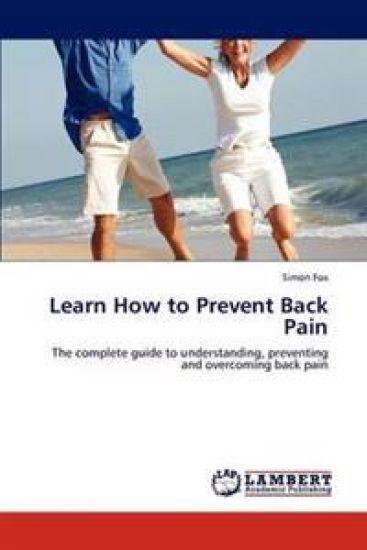
Back pain is an individual problem, with a multitude of potential reasons and issues that can cause pain, some of which arent even related to the back. The most important aspect of overcoming back pain is the WHY. Why do you have pain? If you dont have the WHY, then youll never know what to do to eliminate or correct the problem. In saying this, after over 20 years of clinical experience, I know that the most important step in anyones rehabilitation is to turn off the pain, then mobilise the neural system. These two steps alone will improve 90% of peoples issues. From this point, activating your glutes correctly and learning how to correctly activate the core will help strengthen and support the spine. This is essential for quality of life and preventing all types of back pain and back conditions. The final consideration with any muscular skeletal issue is to continue to move and strengthen the body once the pain has gone. This needs to be done by participating in a strength and conditioning program once or twice a week to prevent relapses and ensure that your functional levels dont become dysfunctional. If you need more information or assistance with your rehabilitation or designing a proactive strength training program, contact us via our website - www.lifestyleessentials.com.au or email us at [email protected]
Back pain is an individual problem, with a multitude of potential reasons and issues that can cause pain, some of which arent even related to the back. The most important aspect of overcoming back pain is the WHY. Why do you have pain? If you dont have the WHY, then youll never know what to do to eliminate or correct the problem. In saying this, after over 20 years of clinical experience, I know that the most important step in anyones rehabilitation is to turn off the pain, then mobilise the neural system. These two steps alone will improve 90% of peoples issues. From this point, activating your glutes correctly and learning how to correctly activate the core will help strengthen and support the spine. This is essential for quality of life and preventing all types of back pain and back conditions. The final consideration with any muscular skeletal issue is to continue to move and strengthen the body once the pain has gone. This needs to be done by participating in a strength and conditioning program once or twice a week to prevent relapses and ensure that your functional levels dont become dysfunctional. If you need more information or assistance with your rehabilitation or designing a proactive strength training program, contact us via our website - www.lifestyleessentials.com.au or email us at [email protected]