Kirjailija
Simon Schama
Kirjat ja teokset yhdessä paikassa: 41 kirjaa, julkaisuja vuosilta 1988–2026, suosituimpiin kuuluu Landscape and Memory. Vertaile teosten hintoja ja tarkista saatavuus suomalaisista kirjakaupoista.
41 kirjaa
Kirjojen julkaisuvuodet: 1988–2026.
The forest primeval, the river of life, the sacred mount â?? read â?? Landscape and Memoryâ?? to have these explainedâ?¦
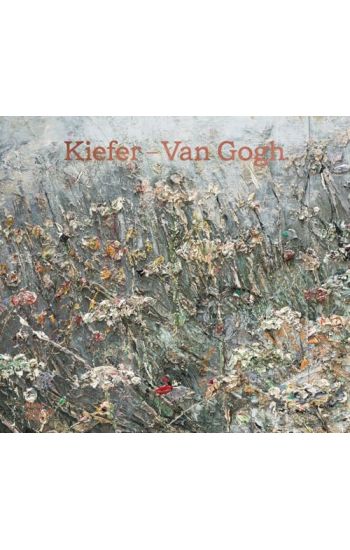
Ever since winning a travel grant as a 17-year-old to travel from the Netherlands through Belgium and Paris to Arles in Van Gogh’s footsteps, the contemporary master painter and sculptor Anselm Kiefer has been inspired by the Dutchman’s art. Van Gogh has been a profound influence upon the subjects and techniques of Kiefer’s monumental paintings and sculptures, which draw on history, mythology, literature, philosophy and science. Published to coincide with Kiefer’s 80th birthday in 2025, this book celebrates the power and luminous intensity of both artists’ work.
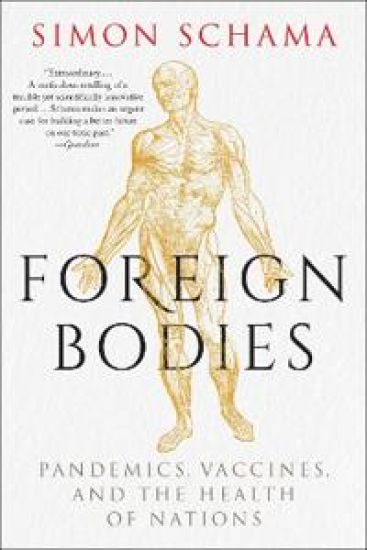
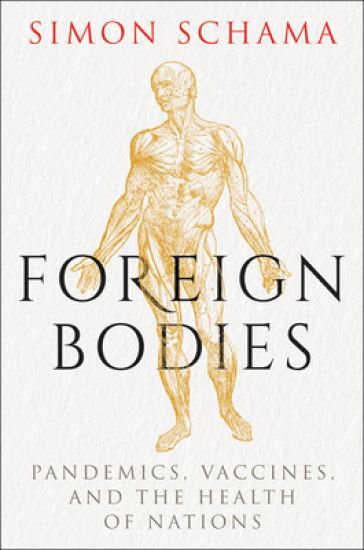
A vibrant cultural history investigating pandemics and vaccines, by bestselling author and historian Simon SchamaCities and countries engulfed by panic and death, desperate for vaccines but fearful of what inoculation may bring. This is what the world has just gone through with Covid-19. But as Simon Schama shows in his epic history of vulnerable humanity caught between the terror of contagion and the ingenuity of science, it has happened before. Characteristically, Schama's message is delivered through gripping, page-turning stories set in the eighteenth and nineteenth centuries: smallpox strikes London; cholera hits Paris; plague comes to India. Threading through the scenes of terror, suffering and hope - in hospitals and prisons, palaces, and slums - are an unforgettable cast of characters: a philosopher-playwright burning up with smallpox in a country chateau; a vaccinating doctor paying house calls in Halifax; a woman doctor in south India driving her inoculator-carriage through the stricken streets as dead monkeys drop from the trees. But we are also in the labs when great, life-saving breakthroughs happen, in Paris, Hong Kong, and Mumbai. At the heart of it all is an unsung hero: Waldemar Haffkine, a gun-toting Jewish student in Odesa turned microbiologist at the Pasteur Institute, hailed in England as "the saviour of mankind" for vaccinating millions against cholera and bubonic plague in British India while being cold-shouldered by the medical establishment of the Raj. Creator of the world's first mass production line of vaccines in Mumbai, he is tragically brought down in an act of shocking injustice. Foreign Bodies crosses borders between east and west, Asia and Europe, the worlds of rich and poor, politics and science. Its thrilling story carries with it the credo of its author on the interconnectedness of humanity and nature; of the powerful and the people. Ultimately, Schama says, as we face the challenges of our times together, "there are no foreigners, only familiars."

Cuerpos Extraños: Pandemias, Vacunas Y Salud de Las Naciones / Foreign Bodies: Pandemics, Vaccines, and the Health of Nation S
Simon Schama
Debate
2024
nidottu
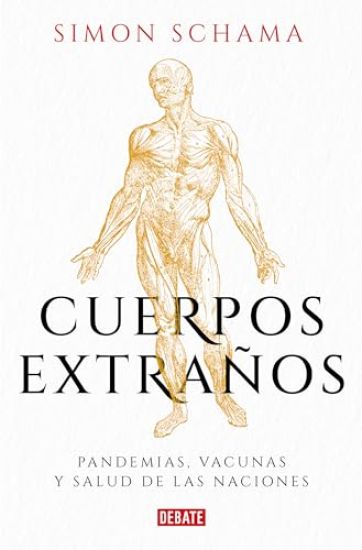
La narraci n perfecta de una historia de miedo, ingenio, persecuci n, colaboraci n y grandes logros, por el aclamado historiador Simon Schama. Pa ses sumidos en el p nico, desesperados por conseguir vacunas, pero temerosos del efecto de las dosis. Lo hemos vivido con la COVID-19. En esta pica historia de pandemias y vacunas el historiador Simon Schama describe c mo humanos y virus han convivido durante milenios y c mo la humanidad se ha visto atrapada entre el terror al contagio y el ingenio de la ciencia. Con minuciosas explicaciones sobre los estragos de la viruela, el c lera o la peste, se engarzan apasionantes relatos y se presenta a un inolvidable elenco de personajes y ejemplos hist ricos, cruzando fronteras entre Oriente y Occidente con los que Schama demuestra que la erradicaci n de las enfermedades es una tarea no solo cient fica, sino tambi n pol tica, cultural y personal. En el meollo de la narraci n, un h roe olvidado: Waldemar Haffkine, estudiante jud o, pistolero de Odesa convertido en microbi logo del Insituto Pasteur y aclamado en Inglaterra como «salvador de la humanidad por crear la primera l nea de producci n masiva de vacunas en Bombay e inmunizar a millones de personas contra el c lera y la peste bub nica. Este libro es tambi n un firme recordatorio de la interconexi n que nos vincula a la naturaleza y a nuestra propia especie. En ltima instancia, defiende Schama, afrontamos juntos determinados retos de nuestro tiempo, como por ejemplo la lucha contra peligrosas infecciones. En esos momentos, «no hay extranjeros, solo familiares . ENGLISH DESCRIPTION A vibrant cultural history investigating pandemics and vaccines, by bestselling author and historian Simon Schama Cities and countries engulfed by panic and death, desperate for vaccines but fearful of what inoculation may bring. This is what the world has just gone through with Covid-19. But as Simon Schama shows in his epic history of vulnerable humanity caught between the terror of contagion and the ingenuity of science, it has happened before. Characteristically, Schama's message is delivered through gripping, page-turning stories set in the eighteenth and nineteenth centuries: smallpox strikes London; cholera hits Paris; plague comes to India. Threading through the scenes of terror, suffering and hope - in hospitals and prisons, palaces, and slums - are an unforgettable cast of characters: a philosopher-playwright burning up with smallpox in a country chateau; a vaccinating doctor paying house calls in Halifax; a woman doctor in south India driving her inoculator-carriage through the stricken streets as dead monkeys drop from the trees. But we are also in the labs when great, life-saving breakthroughs happen, in Paris, Hong Kong, and Mumbai. At the heart of it all is an unsung hero: Waldemar Haffkine, a gun-toting Jewish student in Odesa turned microbiologist at the Pasteur Institute, hailed in England as "the saviour of mankind" for vaccinating millions against cholera and bubonic plague in British India while being cold-shouldered by the medical establishment of the Raj. Creator of the world's first mass production line of vaccines in Mumbai, he is tragically brought down in an act of shocking injustice. Foreign Bodies crosses borders between east and west, Asia and Europe, the worlds of rich and poor, politics and science. Its thrilling story carries with it the credo of its author on the interconnectedness of humanity and nature, of the powerful and the people. Ultimately, Schama says, as we face the challenges of our times together, "there are no foreigners, only familiars."
An epic story of humanity�s struggle against pandemics from the renowned historian and broadcaster
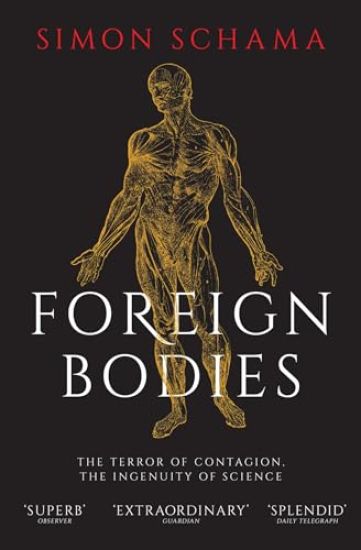
A vibrant cultural history investigating pandemics and vaccines, by bestselling author and historian Simon SchamaCities and countries engulfed by panic and death, desperate for vaccines but fearful of what inoculation may bring. This is what the world has just gone through with Covid-19. But as Simon Schama shows in his epic history of vulnerable humanity caught between the terror of contagion and the ingenuity of science, it has happened before. Characteristically, Schama's message is delivered through gripping, page-turning stories set in the eighteenth and nineteenth centuries: smallpox strikes London; cholera hits Paris; plague comes to India. Threading through the scenes of terror, suffering and hope - in hospitals and prisons, palaces, and slums - are an unforgettable cast of characters: a philosopher-playwright burning up with smallpox in a country chateau; a vaccinating doctor paying house calls in Halifax; a woman doctor in south India driving her inoculator-carriage through the stricken streets as dead monkeys drop from the trees. But we are also in the labs when great, life-saving breakthroughs happen, in Paris, Hong Kong, and Mumbai. At the heart of it all is an unsung hero: Waldemar Haffkine, a gun-toting Jewish student in Odesa turned microbiologist at the Pasteur Institute, hailed in England as "the saviour of mankind" for vaccinating millions against cholera and bubonic plague in British India while being cold-shouldered by the medical establishment of the Raj. Creator of the world's first mass production line of vaccines in Mumbai, he is tragically brought down in an act of shocking injustice. Foreign Bodies crosses borders between east and west, Asia and Europe, the worlds of rich and poor, politics and science. Its thrilling story carries with it the credo of its author on the interconnectedness of humanity and nature; of the powerful and the people. Ultimately, Schama says, as we face the challenges of our times together, "there are no foreigners, only familiars."

An epic story of humanityâ??s struggle against pandemics from the renowned historian and broadcaster
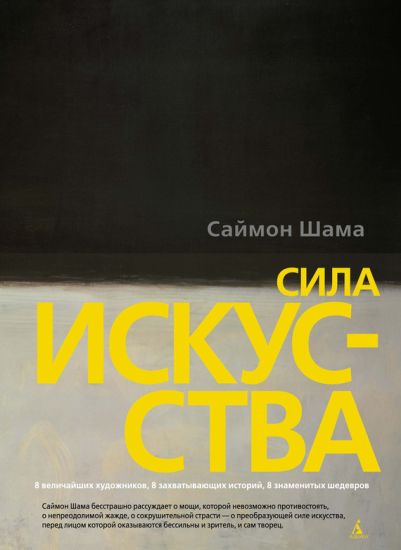
"U velikogo iskusstva uzhasnye manery!" S pervykh strok etogo dramatichnogo povestvovanija stanovitsja ochevidno: znamenityj istorik i populjarizator nauki Sajmon Shama ne nameren primerjat na sebja rol avtoritetnogo muzejnogo gida, nespeshno veduschego ot shedevra k shedevru doverchivuju gruppu zhazhduschikh prikosnutsja k prekrasnomu. A potomu ne nadejtes na legkuju progulku po muzejnym zalam - vmesto nee ekstsentrichnyj provozhatyj, ni sekundy ne pomeshkav na poroge, prosto vtolknet vas v dveri masterskoj, gde v etot samyj moment javljaetsja na svet odno iz samykh znachimykh proizvedenij iskusstva. Vozmozhno, perspektiva stat svidetelem etogo i litsom k litsu stolknutsja s ego sozdatelem ne trevozhit vas zaranee? Nu chto zh, avtor postaraetsja eto ispravit. Reshitelno sporja s temi, kto schitaet romanticheskimi skazkami istorii o mjatuschikhsja genijakh i muchitelnosti akta tvorenija, Sajmon Shama besstrashno rassuzhdaet o moschi, kotoroj nevozmozhno protivostojat, o nepreodolimoj zhazhde, o sokrushitelnoj strasti - o preobrazujuschej...
Vtoraja kniga mnogotomnogo izdanija "Istorija evreev" - "Osoznanie doma" - okhvatyvaet period s 1492 goda do kontsa XIX veka. Sajmon Shama prodolzhaet svoj velikolepnyj roman-epos o beskonechnom vyzhivanii naroda v obschestvakh, ne dopuskavshikh polnoj integratsii evreev, ob obmane i nenavisti, o razrushitelnykh pogromakh i izgnanijakh, o vechno razbitykh nadezhdakh i o tom, chto gde by evrei ni okazyvalis i kak by mnogo ni rabotali, vse legko moglo byt poterjano v odnochase. Imenno nachinaja s Algambrskogo edikta vektor evrejskoj istorii byl napravlen na poisk mesta, gde by evrejskij narod, osoznajuschij sebja edinoj natsiej, mog svobodno zhit i ispovedovat svoju religiju, ne podvergajas pritesnenijam. Ostavajas vernym sebe, avtor pokazyvaet kollektivnuju istoriju cherez sudby otdelnykh ljudej, kak znamenitykh (bud to filosof Spinoza, ili kompozitor Mejerber, ili Velikij Magid, ili uznik Chertova ostrova Drejfus), tak i malo izvestnykh bolshoj istorii. Prokhodja skvoz revoljutsii Novogo vremeni, skvoz izmenenija politicheskoj karty mira, skvoz ekonomicheskuju i sotsialnuju modernizatsiju, podvodja svoe povestvovanie vplotnuju k obostreniju antisemitizma i k formirovaniju sionistskogo dvizhenija, Sajmon Shama ostanavlivaetsja na poroge XX veka, nasyschennogo skol uzhasnymi, stol i znachitelnymi sobytijami v zhizni evrejskogo naroda. Izdanie adresovano shirokomu krugu chitatelej, interesujuschikhsja mirovoj istoriej i kulturoj. Perevodchik: Michkovskij Oleg, Leonovich Maksim
A wide-ranging collection of essays written by the award-winning writer and historian over his forty-year career, chosen by the man himself.
The Story of the Jews Volume Two: Belonging: 1492-1900
Simon Schama
Ecco Press
2020
nidottu
Halvin toimitettuna 29,20 €
In the second of two volumes of this magnificently illustrated cultural history--the tie-in to the PBS and BBC series The Story of the Jews--Simon Schama details the story of the Jewish people, spanning from their expulsion from Spain in the Inquisition across six hundred years to the present day. It is a story like no other: an epic of endurance against destruction, of creativity in the face of oppression, joy amidst grief, the affirmation of life against the steepest of odds. It spans the centuries and the continents--from the Iberian Peninsula and the collapse of "the golden age" to the shtetls of Russia to the dusty streets of infant Hollywood. Its voices ring loud and clear, from the philosophical musings of Spinoza to the poetry written on slips of paper in concentraion camps. Within these pages, the Enlightenment unfolds, a great diaspora transforms a country, a Viennese psychaiatrist forever changes the conception of the human mind. And a great story unfolds. Not--as often imagined--of a culture apart, but of a Jewish world immersed in and imprinted by the peoples among whom they have dwelled, from the Egyptians to the Greeks, from the Arabs to the Christians, from the Soviets to America. Which makes the story of the Jews everyone's story, too.
The hushed reverence of the gallery can fool you into believing masterpieces are visions that soothe, charm and beguile, but actually they are thugs. Merciless and wily, the greatest paintings grab you in a headlock and proceed in short order to re-arrange your sense of reality.' In inimitable style, our greatest historian and master storyteller Simon Schama makes an irresistible case for the power of art and its necessary place in our lives, examining art through the prism of the troubling life and works of Italian master painter, and murderer, Caravaggio.
A wide-ranging collection of essays written by the award-winning writer and historian over his forty-year career, chosen by the man himself.
SHORTLISTED FOR THE BAILLIE GIFFORD PRIZESELECTED AS A BOOK OF THE YEAR 2017 BY THE DAILY TELEGRAPH, MAIL ON SUNDAY AND OBSERVERBelonging is a magnificent cultural history abundantly alive with energy, character and colour.
In the second volume of this magnificently illustrated cultural history, the tie-in to the PBS and BBC series The Story of the Jews, Simon Schama details the story of the Jewish people from 1492 through the end of nineteenth century. Volume two of this epic incorporates the stories of many who seldom figure in Jewish histories: not just the rabbis and the philosophers but a poetess in the ghetto of Venice; a boxer in Georgian England; a Bible showman in Amsterdam; a teacher of the deaf in eighteenth-century Germany. The story unfolds in Kerala and Mantua, the starlit hills of Galilee, the rivers of Colombia, the kitchens of Istanbul, the taverns of Ukraine and the mining camps of California. It sails in caravels, rides the stagecoaches and the railways; trudges the dawn streets of London, hobbles along with the remnant of Napoleon's ruined army. Through Schama's passionate and intelligent telling, a story emerges of the Jewish people that feels as if it is the story of everyone, of humanity packed with detail.
The Story of the Jews Volume One: Finding the Words 1000 Bc-1492 AD
Simon Schama
Ecco Press
2017
nidottu
Halvin toimitettuna 24,60 €
In this magnificently illustrated cultural history--the tie-in to the PBS and BBC series The Story of the Jews--Simon Schama details the story of the Jewish experience, tracing it across three millennia, from their beginnings as an ancient tribal people to the opening of the New World in 1492 to the modern day. It is a story like no other: an epic of endurance against destruction, of creativity in oppression, joy amidst grief, the affirmation of life against the steepest of odds. It spans the millennia and the continents--from India to Andalusia and from the bazaars of Cairo to the streets of Oxford. It takes you to unimagined places: to a Jewish kingdom in the mountains of southern Arabia; a Syrian synagogue glowing with radiant wall paintings; the palm groves of the Jewish dead in the Roman catacombs. And its voices ring loud and clear, from the severities and ecstasies of the Bible writers to the love poems of wine bibbers in a garden in Muslim Spain. In The Story of the Jews, the Talmud burns in the streets of Paris, massed gibbets hang over the streets of medieval London, a Majorcan illuminator redraws the world; candles are lit, chants are sung, mules are packed, ships loaded with spice and gems founder at sea. And a great story unfolds. Not--as often imagined--of a culture apart, but of a Jewish world immersed in and imprinted by the peoples among whom they have dwelled, from the Egyptians to the Greeks, from the Arabs to the Christians. Which makes the story of the Jews everyone's story, too.
The Global Refugee Crisis: How Should We Respond?
Louise Arbour; Simon Schama; Nigel Farage; Mark Steyn
House of Anansi Press Ltd ,Canada
2017
pokkari
The world is facing the worst humanitarian crisis since the Second World War. Over 300,000 are dead in Syria, and one and half million are either injured or disabled. Four and a half million people are trying to flee the country. And Syria is just one of a growing number of failed or failing states in the Middle East and North Africa. How should developed nations respond to human suffering on this mass scale? Do the prosperous societies of the West, including Canada and the U. S., have a moral imperative to assist as many refugees as they reasonably and responsibly can? Or, is this a time for vigilance and restraint in the face of a wave of mass migration that risks upending the tolerance and openness of the West? The eighteenth semi-annual Munk Debate, which was held on April 1, 2016, pits former UN High Commissioner for Human Rights Louise Arbour and leading historian Simon Schama against leader of the UK Independence Party Nigel Farage and bestselling author Mark Steyn to debate the West’s response to the global refugee crisis.
Simon Schama brings Britain to life through its portraits, as seen in the five-part BBC series The Face of Britain and the major National Portrait Gallery exhibitionChurchill and his painter locked in a struggle of stares and glares; Gainsborough watching his daughters run after a butterfly; a black Othello in the nineteenth century; the poet-artist Rossetti trying to capture on canvas what he couldn't possess in life; a surgeon-artist making studies of wounded faces brought in from the Battle of the Somme; a naked John Lennon five hours before his death. In the age of the hasty glance and the selfie, Simon Schama has written a tour de force about the long exchange of looks from which British portraits have been made over the centuries: images of the modest and the mighty; of friends and lovers; heroes and working people. Each of them - the image-maker, the subject, and the rest of us who get to look at them - are brought unforgettably to life. Together they build into a collective picture of Britain, our past and our present, a look into the mirror of our identity at a moment when we are wondering just who we are. Combining his two great passions, British history and art history, for the first time, Schama's extraordinary storytelling reveals the truth behind the nation's most famous portrayals of power, love, fame, the self, and the people. Mesmerising in its breadth and its panache, and beautifully illustrated, with more than 150 images from the National Portrait Gallery, The Face of Britain will change the way we see our past - and ourselves.