
Kirjojen hintavertailu – 12 903 733 kirjaa ja 27 kauppaa

Kirjailija

Simon Shibli

Kirjat ja teokset yhdessä paikassa: 3 kirjaa, julkaisuja vuosilta 2015–2019, suosituimpiin kuuluu Emy9781782550761. Vertaile teosten hintoja ja tarkista saatavuus suomalaisista kirjakaupoista.

3 kirjaa

Kirjojen julkaisuvuodet: 2015–2019.

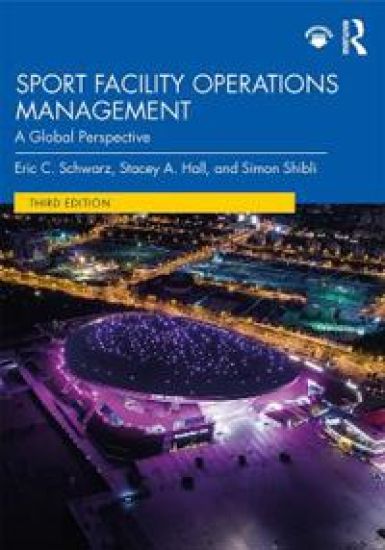
Sport Facility Operations Management

Sport Facility Operations Management

Simon Shibli; Eric Schwarz; Stacey Hall

Routledge
2019
sidottu
Now in a fully revised and updated third edition, Sport Facility Operations Management goes beyond the basic theories of sport facility management to include relevant practical professional experiences connecting facilities, people, and technology. This is a comprehensive and engaging textbook introducing cutting-edge concepts and best practice in sport facility operations management. Each chapter contains real-world case studies and discussion questions, innovative 'Technology Now' and new ‘Facility Focus’ features, and ‘In the Field’ segments about what is going on in the industry. This new edition also provides new content in the areas of project management, social and digital media, revenue generation and diversification, performance analytics, and impacts and legacies. This is a vital resource for sport management educators and students, especially those studying facility management. It is also an interesting read for industry professionals working in sport facility management, from grassroots and community complexes to global mega stadiums and arenas. Dedicated online materials include PowerPoint presentations for each chapter; multiple-choice and essay questions; online appendices with diagrams, schematics, manuals, and forms; a glossary; and a sample master syllabus.
Sport Facility Operations Management

Sport Facility Operations Management

Simon Shibli; Eric Schwarz; Stacey Hall

Routledge
2019
nidottu
Now in a fully revised and updated third edition, Sport Facility Operations Management goes beyond the basic theories of sport facility management to include relevant practical professional experiences connecting facilities, people, and technology. This is a comprehensive and engaging textbook introducing cutting-edge concepts and best practice in sport facility operations management. Each chapter contains real-world case studies and discussion questions, innovative 'Technology Now' and new ‘Facility Focus’ features, and ‘In the Field’ segments about what is going on in the industry. This new edition also provides new content in the areas of project management, social and digital media, revenue generation and diversification, performance analytics, and impacts and legacies. This is a vital resource for sport management educators and students, especially those studying facility management. It is also an interesting read for industry professionals working in sport facility management, from grassroots and community complexes to global mega stadiums and arenas. Dedicated online materials include PowerPoint presentations for each chapter; multiple-choice and essay questions; online appendices with diagrams, schematics, manuals, and forms; a glossary; and a sample master syllabus.
Emy9781782550761

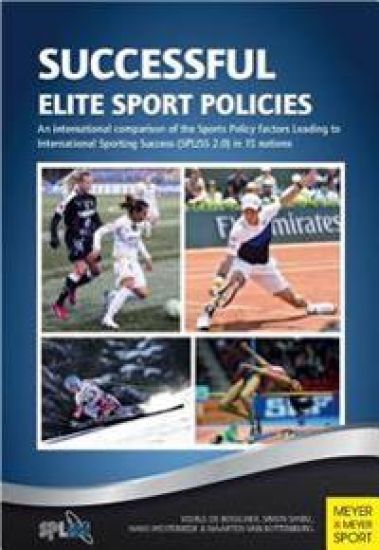
Emy9781782550761

Simon Shibli; Hans Westerbeek; Veerle de Bosscher; Maarten van Bottenburg

Meyer Meyer Sport (UK) Ltd
2015
nidottu
An international comparison of the Sports Policy factors Leading to International Sporting Success (SPLISS 2.0) in 15 nations. How can nations improve their chances of winning medals in international sport? This book deals with the strategic policy planning process that underpins the development of successful national elite sport development systems. Drawing on various international competitiveness studies, it examines how nations develop and implement policies that are based on the critical success factors that may lead to competitive advantage in world sport. The book presents the results of the large-scale international SPLISS-project. In this project the research team identified, compared and contrasted elite sport policies and strategies in place for the Olympic Games and other events in 15 distinct nations. With input from 58 researchers and 33 policy makers worldwide and the views of over 3,000 elite athletes, 1,300 high performance coaches and 240 performance directors, this work is the largest benchmarking study of national elite sport policies ever conducted.