Kirjojen hintavertailu – 12 903 724 kirjaa ja 27 kauppaa

Kirjailija

Simone Schimpf

Kirjat ja teokset yhdessä paikassa: 3 kirjaa, julkaisuja vuosilta 2021–2024, suosituimpiin kuuluu Martin Woehrl: From Nose to Tail. Vertaile teosten hintoja ja tarkista saatavuus suomalaisista kirjakaupoista.

3 kirjaa

Kirjojen julkaisuvuodet: 2021–2024.

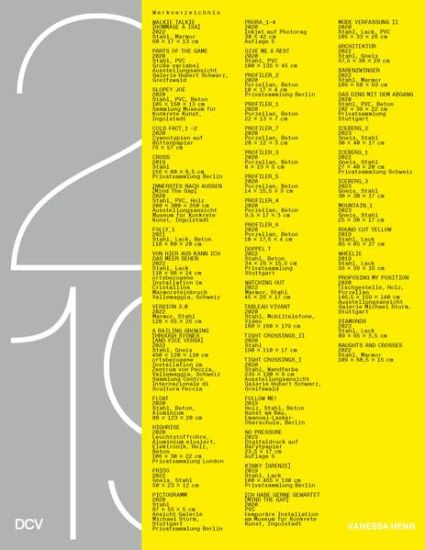
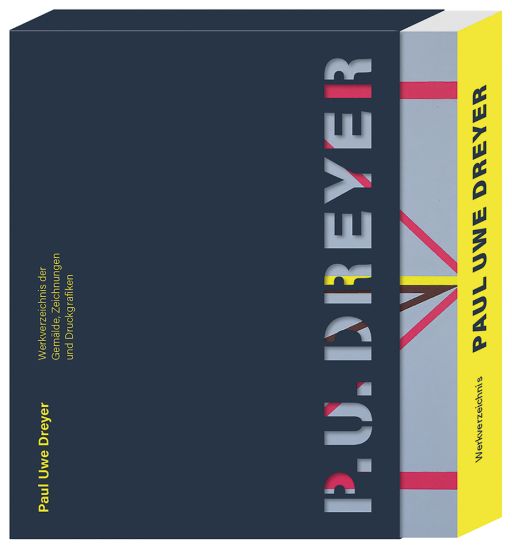
Paul Uwe Dreyer - Werkverzeichnis der Gemalde, Zeichnungen und Druckgrafiken

Paul Uwe Dreyer - Werkverzeichnis der Gemalde, Zeichnungen und Druckgrafiken

Simone Schimpf; Andreas Baur; Reinhard Döhl; Ulrike Gauss; Dorit Schäfer; Holger Kube Ventura; Bernhard Kerber; Heinz Fuchs

Dr. Cantz'sche Verlagsgesellschaft mbH Co. KG
2021
sidottu
Paul Uwe Dreyer (b. 1939, Osnabr ck; d. 2008, Stuttgart) taught painting as a professor at the Staatliche Akademie der Bildenden K nste Stuttgart for more than three decades. His oeuvre shows the hallmarks of geometric constructive art: inspired by subjective experiences of reality, Dreyer's compositions visualize the dialectics of organizing principles and their potentials for variation, a guiding interest that is already evident in his early work since the 1960s and especially in the pairs and series of pictures he begins creating in the early 1970s. His art unfolds a fascinatingly dynamic yet nonhierarchical dialogue between colors, surfaces, and lines. The chronological catalogue raisonn reveals the consistency with which motifs evolve from his early to his late oeuvre, from architectural, figural, and ornamental tokens through elements resembling symbols and icons to complex penetrations of spaces.
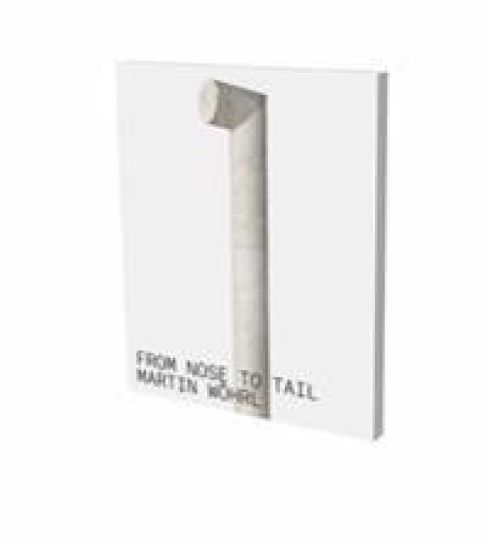
Martin Woehrl: From Nose to Tail

Martin Woehrl: From Nose to Tail

Simone Schimpf

Snoeck Verlagsgesellschaft mbH
2021
pokkari
From Nose to Tail is published on the occasion of Martin W hrl's (*1974) solo exhibition "Elephant in the Room" in the summer of 2020 at Kunstverein Ingolstadt, which focused primarily on his concrete works. The title, meanwhile, is a term used in the field of gastronomy and refers to the most complete processing of an animal, from the tenderloin and its innards to its tail. Martin W hrl uses this reference because he attaches the same value to all the component materials of his sculptures, and he also works with the remnants of his productions to create ever new combinations. The Munich-born artist constructs his sculptures by combining tangible set pieces of actual existing architecture, either sacred or profane in nature, in a manner that encourages dialogue--such as linoleum and brass. It occasionally appears as though he created dream images while his mind went woolgathering. Initially, however, in keeping with an aesthetic core belief in a minimalist approach to material, he opted for wood, concrete, and plaster; he piled up concrete cubes, placed frames on the wall, or posi­tioned tubes and pipes within a space.