Kirjojen hintavertailu – 12 859 827 kirjaa ja 27 kauppaa

Kirjailija

Sofie Bager-Charleson

Kirjat ja teokset yhdessä paikassa: 9 kirjaa, julkaisuja vuosilta 2010–2020, suosituimpiin kuuluu Reflective Practice and Personal Development in Counselling and Psychotherapy. Vertaile teosten hintoja ja tarkista saatavuus suomalaisista kirjakaupoista.

9 kirjaa

Kirjojen julkaisuvuodet: 2010–2020.

Reflective Practice and Personal Development in Counselling and Psychotherapy
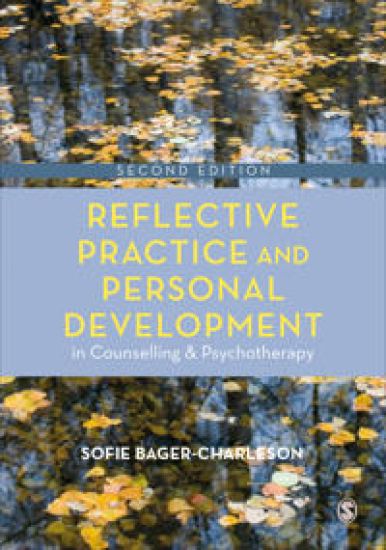
Reflective practice is a vital part of your counselling and psychotherapy training and practice. This book is your go-to introduction to what it is, why it is important, and how to use different models for reflection and reflective practice to enhance your work with clients. It will support your personal development and professional development throughout your counselling training and into your practice.
Reflective Practice and Personal Development in Counselling and Psychotherapy
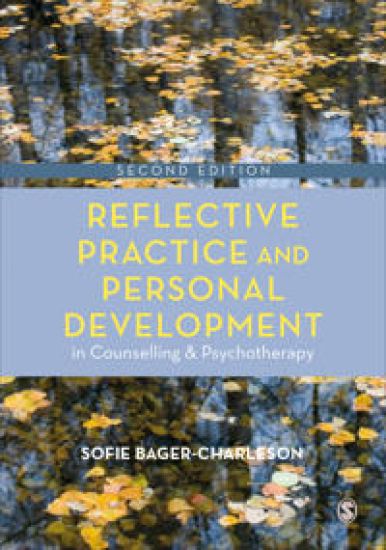
Reflective practice is a vital part of your counselling and psychotherapy training and practice. This book is your go-to introduction to what it is, why it is important, and how to use different models for reflection and reflective practice to enhance your work with clients. It will support your personal development and professional development throughout your counselling training and into your practice.
Why Therapists Choose to Become Therapists

Why Therapists Choose to Become Therapists

Sofie Bager-Charleson

Routledge
2019
sidottu
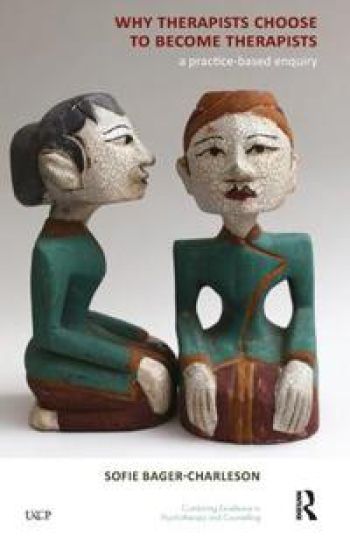
Almost two decades ago, the psychoanalyst Sussman concluded that the therapist's motivation for practicing was a neglected area. Is this maybe a question best left alone? This book revisits the question. The authors support Sussman's rationale for raising the issue in the first place and wonder if much has changed since he referred to it as a 'neglected' area twenty years ago? This is an inquiry that moves from personal musing to collaborative and systematic inquiry. At the heart of the book lie six separate accounts as told by counsellors and psychotherapists in a reflective writing- and peer support group. Each therapist represent a different modality and all come with very different backgrounds. These accounts are put into context of ongoing literature and viewed with reference to a survey where 238 other therapists provide their perspective on the question. Like in the case of, for instance, Feltham (1999), Rowan & Jacobs (2003) and Val Wosket (1999) 'the therapist's use of self', is a key theme.
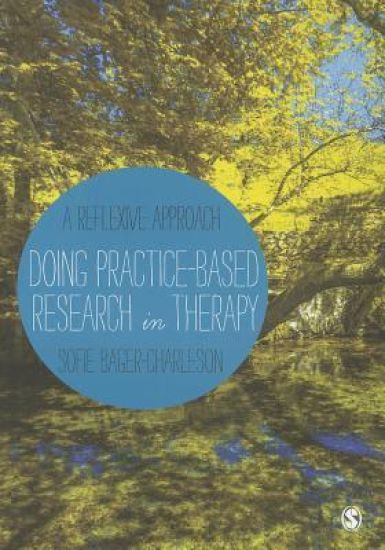
Doing Practice-based Research in Therapy

Doing Practice-based Research in Therapy

Sofie Bager-Charleson

SAGE Publications Ltd
2014
sidottu
Learning how to use critical self-reflection creatively when practising therapy is an important component of training. This level of self-awareness is, however, often neglected in research, despite the centrality of the researcher to their work. Doing Practice-based Research in Therapy: A Reflexive Approach makes the vital link between practical research skills and self-awareness, critical reflection and personal development in practice-based research. Starting with a clear introduction to the theory, practice and debates surrounding this type of research, the book then guides the reader step-by-step through the practicalities of the research process, encouraging them to reflect upon and evaluate their practice at each stage. The book: - incorporates case studies throughout to illustrate different methodological approaches - uses real life examples from students conducting practice-based psychotherapy research - includes exercises, chapter objectives, end-of-chapter questions and suggestions for further reading to help consolidate learning - encourages ongoing personal development by introducing personal development planning (PDP) and lifelong learning in the field of research. By demystifying the reflexive approach, this highly practical guide ensures that trainees and qualified therapists get the most, both professionally and personally, from their practice-based research.
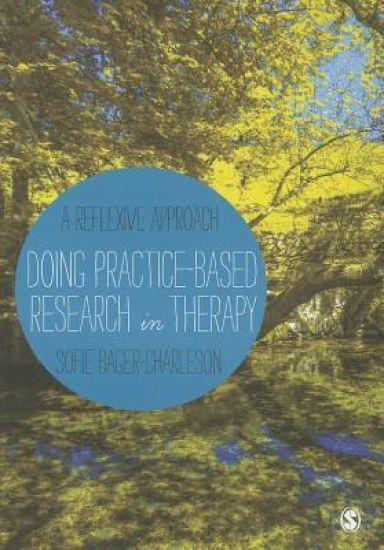
Doing Practice-based Research in Therapy

Doing Practice-based Research in Therapy

Sofie Bager-Charleson

SAGE PUBLICATIONS LTD
2014
nidottu
Learning how to use critical self-reflection creatively when practising therapy is an important component of training. This level of self-awareness is, however, often neglected in research, despite the centrality of the researcher to their work. Doing Practice-based Research in Therapy: A Reflexive Approach makes the vital link between practical research skills and self-awareness, critical reflection and personal development in practice-based research. Starting with a clear introduction to the theory, practice and debates surrounding this type of research, the book then guides the reader step-by-step through the practicalities of the research process, encouraging them to reflect upon and evaluate their practice at each stage. The book: - incorporates case studies throughout to illustrate different methodological approaches - uses real life examples from students conducting practice-based psychotherapy research - includes exercises, chapter objectives, end-of-chapter questions and suggestions for further reading to help consolidate learning - encourages ongoing personal development by introducing personal development planning (PDP) and lifelong learning in the field of research. By demystifying the reflexive approach, this highly practical guide ensures that trainees and qualified therapists get the most, both professionally and personally, from their practice-based research.
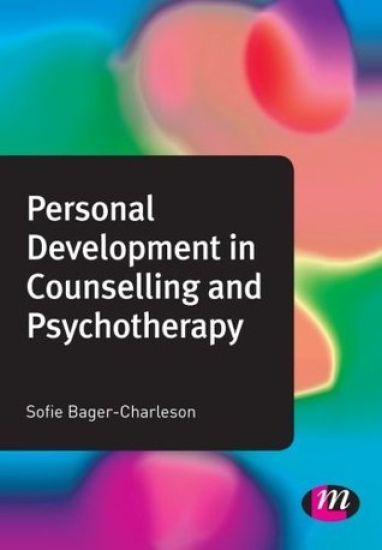
Personal Development in Counselling and Psychotherapy

Personal Development in Counselling and Psychotherapy

Sofie Bager-Charleson

Learning Matters Ltd
2012
sidottu
There is an increased emphasis on self awareness and self care in counselling and psychotherapy training, with a focus on how the therapist as a person affects the therapeutic outcome. This timely book responds to these complex issues and is designed to help counselling students, trainees and graduates with integrating their personal development into their professional planning. There are chapters on bringing the Self into therapy, choosing the right training and how to succeed as an accredited practitioner. Activities and research summaries throughout give this book a fully-integrated approach ideal for busy students.
Personal Development in Counselling and Psychotherapy

Personal Development in Counselling and Psychotherapy

Sofie Bager-Charleson

Learning Matters Ltd
2012
nidottu
There is an increased emphasis on self awareness and self care in counselling and psychotherapy training, with a focus on how the therapist as a person affects the therapeutic outcome. This timely book responds to these complex issues and is designed to help counselling students, trainees and graduates with integrating their personal development into their professional planning. There are chapters on bringing the Self into therapy, choosing the right training and how to succeed as an accredited practitioner. Activities and research summaries throughout give this book a fully-integrated approach ideal for busy students.
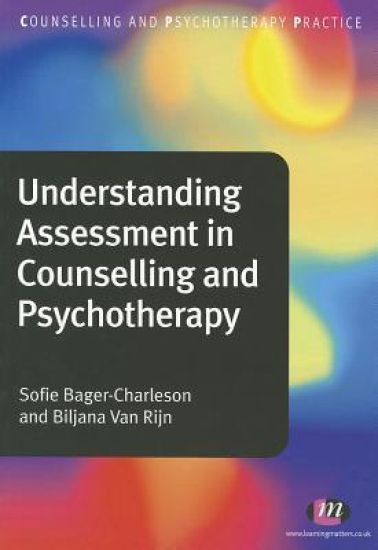
Understanding Assessment in Counselling and Psychotherapy

Understanding Assessment in Counselling and Psychotherapy

Sofie Bager-Charleson; Biljana van Rijn

Learning Matters Ltd
2011
nidottu
This book offers students and trainees a thorough guide to clinical assessment. It covers different types of clinical assessment and explores the implications of the alternative views on clients' needs and treatment. It explores clinical assessment as an 'art and science' and brings the reader up to date with new requirements placed on therapists in both organisational and clinical practice based settings. In addition to outlining models for clinical assessment, it looks at the use of evidence-based practice in assessments. There are sections on doing assessments within organisations as well as from private practice.
Why Therapists Choose to Become Therapists

Why Therapists Choose to Become Therapists

Sofie Bager-Charleson

Karnac Books
2010
nidottu
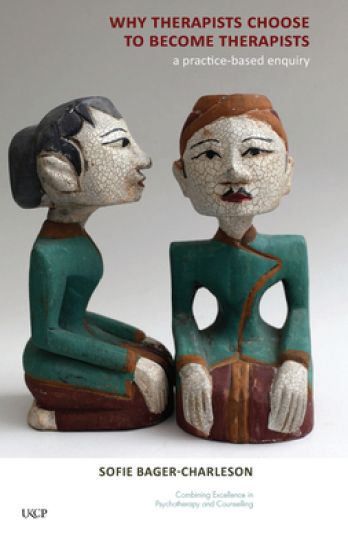
Almost two decades ago, the psychoanalyst Sussman concluded that the therapist's motivation for practicing was a neglected area. Is this maybe a question best left alone? This book revisits the question. The authors support Sussman's rationale for raising the issue in the first place and wonder if much has changed since he referred to it as a 'neglected' area twenty years ago? This is an inquiry that moves from personal musing to collaborative and systematic inquiry. At the heart of the book lie six separate accounts as told by counsellors and psychotherapists in a reflective writing- and peer support group. Each therapist represent a different modality and all come with very different backgrounds. These accounts are put into context of ongoing literature and viewed with reference to a survey where 238 other therapists provide their perspective on the question. Like in the case of, for instance, Feltham (1999), Rowan & Jacobs (2003) and Val Wosket (1999) 'the therapist's use of self', is a key theme.