Kirjojen hintavertailu – 12 859 818 kirjaa ja 27 kauppaa

Kirjailija

Sofie Hellberg

Kirjat ja teokset yhdessä paikassa: 5 kirjaa, julkaisuja vuosilta 2017–2026, suosituimpiin kuuluu Informationssäkerhet och organisationskultur. Vertaile teosten hintoja ja tarkista saatavuus suomalaisista kirjakaupoista.

5 kirjaa

Kirjojen julkaisuvuodet: 2017–2026.

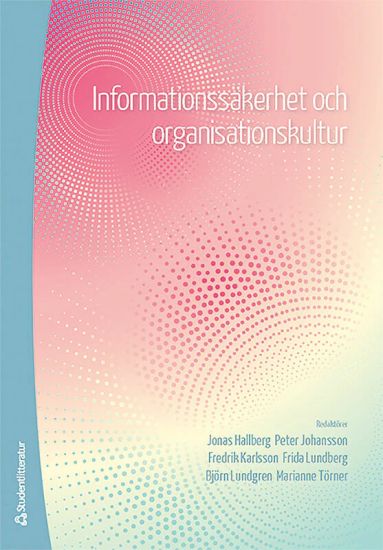
Informationssäkerhet och organisationskultur

Informationssäkerhet och organisationskultur

Jonas Hallberg; Peter Johansson; Fredrik Karlsson; Frida Lundberg; Björn Lundgren; Marianne Törner; Annika Andersson; Joakim Berndtsson; Magnus Frostenson; Karin Hellström; Sven Helin; Sofie Hellberg; Martin Karlsson; Henrik Karlzén; Ella Kolkowska; Jonas Landgren; Anders Pousette; Frans Prenkert; Maria Skyvell Nilsson; Teodor Sommestad; Joachim Åström

Studentlitteratur AB
2017
nidottu
Behovet av att skydda och hantera data på ett säkert sätt växer i takt med krav på ökad tillgänglighet till information i samhället. Den tekniska säkerheten har blivit allt bättre och försöken från obehöriga att komma åt information förflyttas – från luckor i systemens teknik till dess sociala svagheter. Därför utgör mänskligt beteende en allt vanligare grund för säkerhetsriskerna i vår tids informationssamhälle. Med utgångspunkt i samhälle, organisation och verksamhet ger boken förståelse för varför tekniska lösningar inte löser alla problem kring informationssäkerhet. Ett brett grepp tas om frågan – från strukturell nivå i det breda samhälls­perspektivet via den enskilda verksamheten och ända ner på individnivå. Boken beskriver arbetssätt, metoder och verktyg som hjälper verksamheter att möta nutida utmaningar inom informationssäkerhet. Informationssäkerhet och organisationskultur vänder sig till studenter och forskare som vill få insyn i området, och till yrkesverksamma som dagligen arbetar med informationssäkerhet i organisationer: beslutsfattare, stabsfunktionärer, ledningsansvariga, informations­säkerhetsansvariga, utvecklingsansvariga, upphandlare, verksamhets­samordnare och specialister.
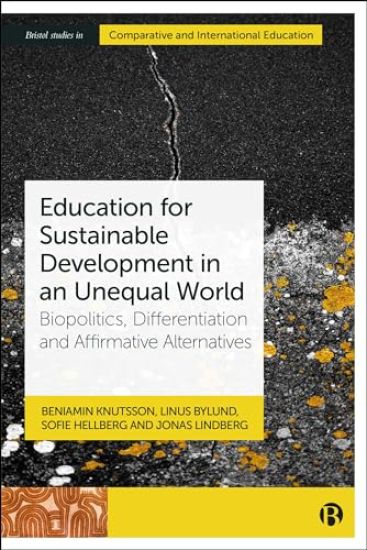
Education for Sustainable Development in an Unequal World

Education for Sustainable Development in an Unequal World

Beniamin Knutsson; Linus Bylund; Sofie Hellberg; Jonas Lindberg

Bristol University Press
2026
nidottu
Education for Sustainable Development (ESD) is recurrently depicted as an enterprise that unites humanity in a common pursuit of a more just and sustainable world. But how is this enterprise pursued on a planet that is enormously unequal? Drawing on biopolitical theory and rich empirical data from different contexts around the world, this book explores how ESD is unpacked depending on whether people are rich or poor. The book demonstrates how ESD is adapted to the lifestyles and living conditions of different populations. The implication of this depoliticized sensitivity to local ‘realities’, the book argues, is that inequality becomes accommodated and that different responsibilities are assigned to rich and poor. Ultimately, the book considers alternatives to this biopolitical divide.
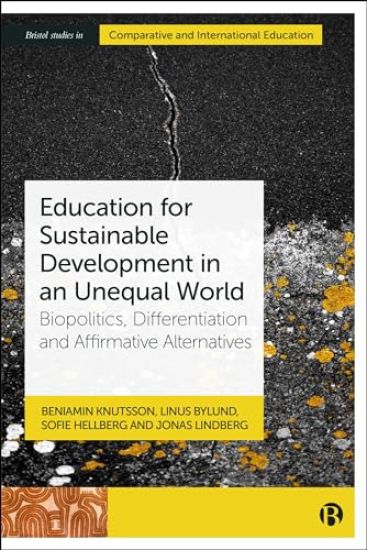
Education for Sustainable Development in an Unequal World

Education for Sustainable Development in an Unequal World

Beniamin Knutsson; Linus Bylund; Sofie Hellberg; Jonas Lindberg

Bristol University Press
2024
sidottu

Halvin toimitettuna 121,00 €

Education for Sustainable Development (ESD) is recurrently depicted as an enterprise that unites humanity in a common pursuit of a more just and sustainable world. But how is this enterprise pursued on a planet that is enormously unequal? Drawing on biopolitical theory and rich empirical data from different contexts around the world, this book explores how ESD is unpacked depending on whether people are rich or poor. The book demonstrates how ESD is adapted to the lifestyles and living conditions of different populations. The implication of this depoliticized sensitivity to local ‘realities’, the book argues, is that inequality becomes accommodated and that different responsibilities are assigned to rich and poor. Ultimately, the book considers alternatives to this biopolitical divide.
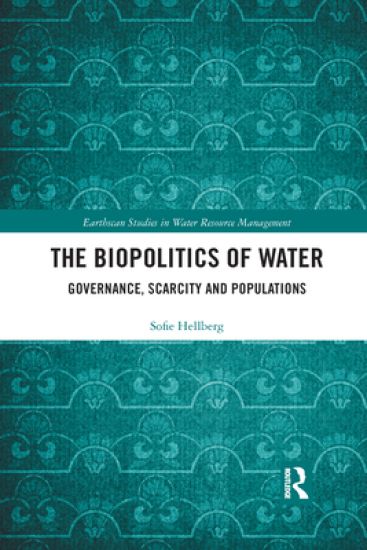
The Biopolitics of Water

The Biopolitics of Water

Sofie Hellberg

Routledge
2021
nidottu
Biopolitics refers to a form of politics concerned with administering and regulating the conditions of life at an aggregated level of populations. This book provides a biopolitical perspective on water governance and its effects. It draws on the work of Foucault to explore how notions of scarcity are used in strategies of governance and how such governance differentiates between different populations. Furthermore, the author investigates what such biopolitical regulation means for people’s lifestyles and the way they understand themselves and their moral responsibilities as humans, individuals and citizens. The book begins by investigating the global water agenda, with a particular emphasis on its focus on water for basic needs, and provides different examples of hydromentalities around the world. It also presents rich empirical details of one local case in South Africa. By carefully exploring the water 'stories' of water users, the book provides new perspectives on the relationship between water and power. Additionally, it offers an innovative methodological framework through which we can study the workings of governance more generally, and water governance specifically. It thereby contributes to the scholarship on water governance in relation to how water governance and technologies are part of producing subjectivities, notions of life and lifestyles and, more specifically, how the global water agenda can work so as to produce, or further entrench, distinctions between different lives and lifestyles. Ultimately, such differences between individuals and populations that are produced as an effect of water governance are assessed in relation to social sustainability.
The Biopolitics of Water

The Biopolitics of Water

Sofie Hellberg

Routledge
2018
sidottu
Biopolitics refers to a form of politics concerned with administering and regulating the conditions of life at an aggregated level of populations. This book provides a biopolitical perspective on water governance and its effects. It draws on the work of Foucault to explore how notions of scarcity are used in strategies of governance and how such governance differentiates between different populations. Furthermore, the author investigates what such biopolitical regulation means for people’s lifestyles and the way they understand themselves and their moral responsibilities as humans, individuals and citizens. The book begins by investigating the global water agenda, with a particular emphasis on its focus on water for basic needs, and provides different examples of hydromentalities around the world. It also presents rich empirical details of one local case in South Africa. By carefully exploring the water 'stories' of water users, the book provides new perspectives on the relationship between water and power. Additionally, it offers an innovative methodological framework through which we can study the workings of governance more generally, and water governance specifically. It thereby contributes to the scholarship on water governance in relation to how water governance and technologies are part of producing subjectivities, notions of life and lifestyles and, more specifically, how the global water agenda can work so as to produce, or further entrench, distinctions between different lives and lifestyles. Ultimately, such differences between individuals and populations that are produced as an effect of water governance are assessed in relation to social sustainability.