Kirjojen hintavertailu – 12 859 828 kirjaa ja 27 kauppaa

Kirjailija

Sojourner Truth

Kirjat ja teokset yhdessä paikassa: 46 kirjaa, julkaisuja vuosilta 1850–2026, suosituimpiin kuuluu Narrative of Sojourner Truth (An African American Heritage Book). Vertaile teosten hintoja ja tarkista saatavuus suomalaisista kirjakaupoista.

46 kirjaa

Kirjojen julkaisuvuodet: 1850–2026.

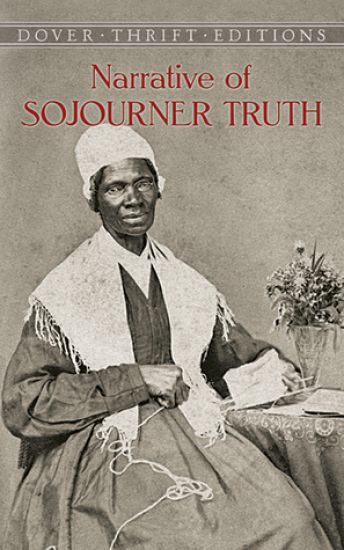
Narrative of Sojourner Truth

Narrative of Sojourner Truth

Sojourner Truth

Dover Publications Inc.
2003
nidottu
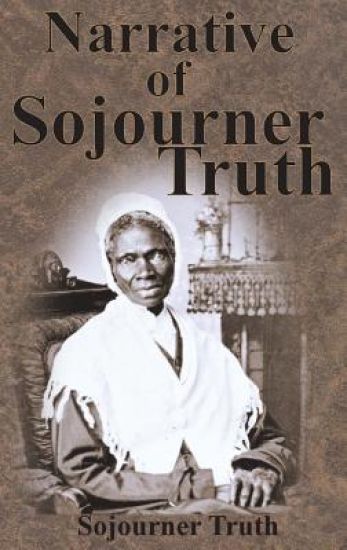
One of the most famous and admired African-American women in U. S. history, Sojourner Truth sang, preached, and debated at camp meetings across the country, led by her devotion to the antislavery movement and her ardent pursuit of women's rights. Born into slavery in 1797, Truth fled from bondage some 30 years later to become a powerful figure in the progressive movements reshaping American society. This remarkable narrative, first published in 1850, offers a rare glimpse into the little-documented world of Northern slavery. Truth recounts her life as a slave in rural New York, her separation from her family, her religious conversion, and her life as a traveling preacher during the 1840s. She also describes her work as a social reformer, counselor of former slaves, and sponsor of a black migration to the West. A spellbinding orator and implacable prophet, Truth mesmerized audiences with her tales of life in bondage and with her moving renditions of Methodist hymns and her own songs. Frederick Douglass described her message as a "strange compound of wit and wisdom, of wild enthusiasm, and flint-like common sense." This inspiring account of a black woman's struggles for racial and sexual equality is essential reading for students of American history, as well as for those interested in the continuing quest for equality of opportunity.
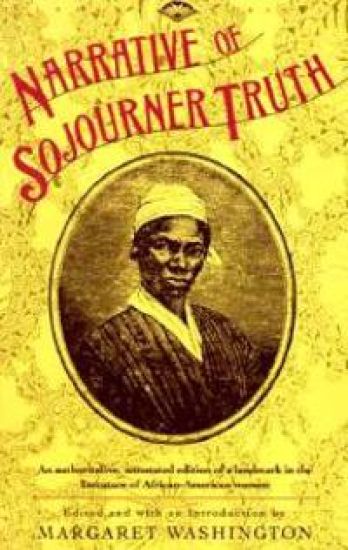
Narrative of Sojourner Truth

Narrative of Sojourner Truth

Sojourner Truth

Vintage Books
1993
pokkari
Narrative of Sojourner Truth is one of the most important documents of slavery ever written, as well as being a partial autobiography of the woman who became a pioneer in the struggles for racial and sexual equality. With an eloquence that resonates more than a century after its original publication in 1850, the narrative bears witness to Sojourner Truth's thirty years of bondage in upstate New York and to the mystical revelations that turned her into a passionate and indefatigable abolitionist. In this new edition, which has been edited and extensively annotated by the distinguished scholar and biographer of Sojourner Truth, Margaret Washington, Truth's testimony takes on added dimensions: as a lens into the little-known world of northern slavery; as a chronicle of spiritual conversion; and as an inspiring account of a black woman striving for personal and political empowerment. "The time is long overdue for a compelling look at the legendary Sojourner Truth. Margaret Washington deserves our gratitude for reclaiming Truth and shedding light on the most enigmatic black woman of the 19th century."-- Darlene Clark Hine, Professor of History, Michigan State University
Narrative of Sojourner Truth

Narrative of Sojourner Truth

Sojourner Truth

Createspace Independent Publishing Platform
1850
pokkari
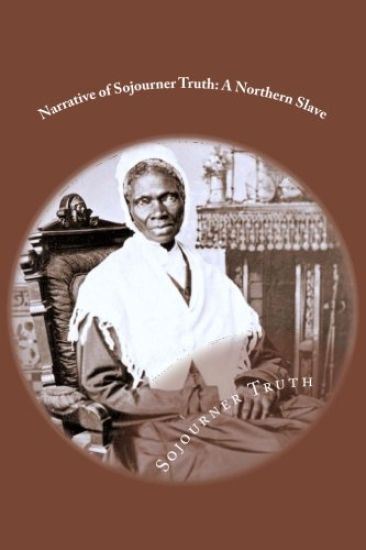
Sojourner Truth (1797 - November 26, 1883) was an African-American abolitionist and women's rights activist. Truth was born into slavery in Swartekill, Ulster County, New York, but escaped with her infant daughter to freedom in 1826. After going to court to recover her son, in 1828 she became the first black woman to win such a case against a white man. Her best-known speech was delivered extemporaneously, in 1851, at the Ohio Women's Rights Convention in Akron, Ohio. The speech became widely known during the Civil War by the title "Ain't I a Woman?." During the Civil War, Truth helped recruit black troops for the Union Army; after the war, she tried unsuccessfully to secure land grants from the federal government for former slaves. In 2014, Truth was included in Smithsonian magazine's list of the "100 Most Significant Americans of All Time".
Narrative Of Sojourner Truth

Narrative Of Sojourner Truth

Sojourner Truth

12th Media Services
1850
pokkari
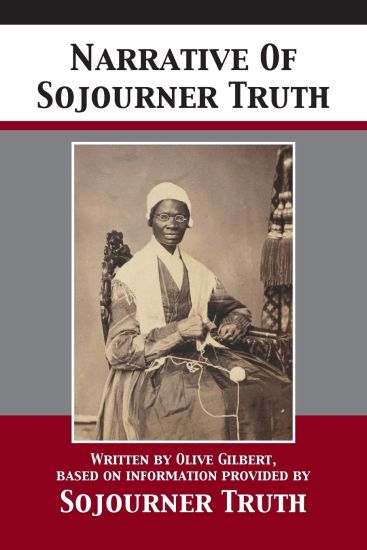
Sojourner Truth (born Isabella (Belle) Baumfree) was an African-American abolitionist and women's rights activist. Truth was born into slavery in Swartekill, Ulster County, New York, but escaped with her infant daughter to freedom in 1826. After going to court to recover her son, in 1828 she became the first black woman to win such a case against a white man. She gave herself the name Sojourner Truth in 1843 after she became convinced that God had called her to leave the city and go into the countryside "testifying the hope that was in her." Her best-known speech was delivered extemporaneously, in 1851, at the Ohio Women's Rights Convention in Akron, Ohio. The speech became widely known during the Civil War by the title "Ain't I a Woman?," a variation of the original speech re-written by someone else using a stereotypical Southern dialect; whereas Sojourner Truth was from New York and grew up speaking Dutch as her first language. During the Civil War, Truth helped recruit black troops for the Union Army; after the war, she tried unsuccessfully to secure land grants from the federal government for former slaves. Truth started dictating her memoirs to her friend Olive Gilbert, and in 1850 William Lloyd Garrison privately published her book, The Narrative of Sojourner Truth: A Northern Slave. Source: Wikipedia
Narrative Of Sojourner Truth

Narrative Of Sojourner Truth

Sojourner Truth

12th Media Services
1850
sidottu
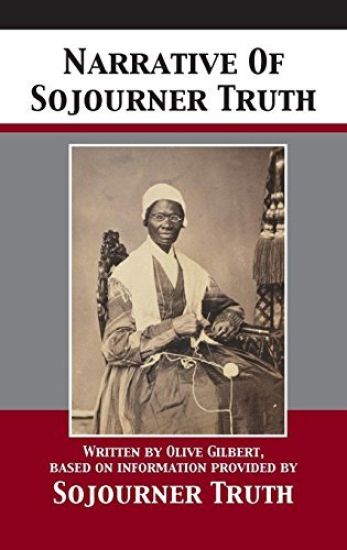
Sojourner Truth (born Isabella (Belle) Baumfree) was an African-American abolitionist and women's rights activist. Truth was born into slavery in Swartekill, Ulster County, New York, but escaped with her infant daughter to freedom in 1826. After going to court to recover her son, in 1828 she became the first black woman to win such a case against a white man. She gave herself the name Sojourner Truth in 1843 after she became convinced that God had called her to leave the city and go into the countryside "testifying the hope that was in her." Her best-known speech was delivered extemporaneously, in 1851, at the Ohio Women's Rights Convention in Akron, Ohio. The speech became widely known during the Civil War by the title "Ain't I a Woman?," a variation of the original speech re-written by someone else using a stereotypical Southern dialect; whereas Sojourner Truth was from New York and grew up speaking Dutch as her first language. During the Civil War, Truth helped recruit black troops for the Union Army; after the war, she tried unsuccessfully to secure land grants from the federal government for former slaves. Truth started dictating her memoirs to her friend Olive Gilbert, and in 1850 William Lloyd Garrison privately published her book, The Narrative of Sojourner Truth: A Northern Slave. Source: Wikipedia