
Kirjojen hintavertailu – 12 903 725 kirjaa ja 27 kauppaa

Kirjailija

Solveig Aamodt

Kirjat ja teokset yhdessä paikassa: 2 kirjaa, julkaisuja vuosilta 2021–2023, suosituimpiin kuuluu The EU and Global Climate Justice. Vertaile teosten hintoja ja tarkista saatavuus suomalaisista kirjakaupoista.

2 kirjaa

Kirjojen julkaisuvuodet: 2021–2023.

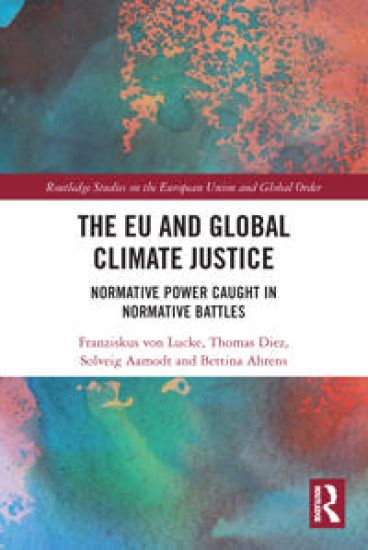
The EU and Global Climate Justice

The EU and Global Climate Justice

Thomas Diez; Solveig Aamodt; Bettina Ahrens; Franziskus von Lucke

TAYLOR FRANCIS LTD
2023
nidottu
This book examines the European Union (EU)'s contribution to the development of the global climate regime within the broader framework of global justice. It argues that the procedural dimension of justice has been largely overlooked so far in the assessment of EU climate policy and reveals that the EU has significantly contributed to the development of the climate regime within its broader efforts to ‘solidarise’ international society. At the same time, the book identifies deficits of the climate regime and limits to the EU’s impact, and explains why the EU policy towards global climate change has shifted over time. Finally, it argues that these policies should not be assessed in terms of being wholly positive or wholly negative, but that they are shot through with ambiguities. This book will be of key interest to scholars, students, and practitioners of climate change, climate politics, and environmental and climate justice studies, and more broadly to EU Studies and International Relations.
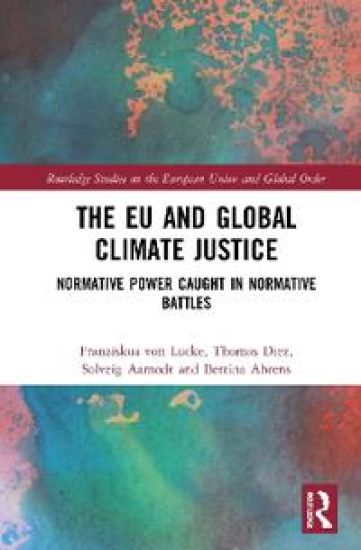
The EU and Global Climate Justice

The EU and Global Climate Justice

Thomas Diez; Solveig Aamodt; Bettina Ahrens; Franziskus von Lucke

Routledge
2021
sidottu
This book examines the European Union (EU)'s contribution to the development of the global climate regime within the broader framework of global justice. It argues that the procedural dimension of justice has been largely overlooked so far in the assessment of EU climate policy and reveals that the EU has significantly contributed to the development of the climate regime within its broader efforts to ‘solidarise’ international society. At the same time, the book identifies deficits of the climate regime and limits to the EU’s impact, and explains why the EU policy towards global climate change has shifted over time. Finally, it argues that these policies should not be assessed in terms of being wholly positive or wholly negative, but that they are shot through with ambiguities. This book will be of key interest to scholars, students, and practitioners of climate change, climate politics, and environmental and climate justice studies, and more broadly to EU Studies and International Relations.