Kirjojen hintavertailu – 12 903 725 kirjaa ja 27 kauppaa

Kirjailija

Sonia Livingstone

Kirjat ja teokset yhdessä paikassa: 17 kirjaa, julkaisuja vuosilta 1993–2026, suosituimpiin kuuluu Harm and Offence in Media Content. Vertaile teosten hintoja ja tarkista saatavuus suomalaisista kirjakaupoista.

17 kirjaa

Kirjojen julkaisuvuodet: 1993–2026.

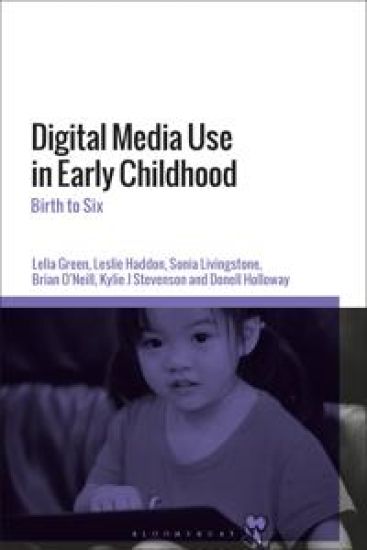
Digital Media Use in Early Childhood

Digital Media Use in Early Childhood

Lelia Green; Leslie Haddon; Sonia Livingstone; Brian O’Neill; Kylie Stevenson; Donell Holloway

BLOOMSBURY PUBLISHING PLC
2026
nidottu
The easy interface of touchscreen technologies like tablets and smartphones has enabled children to access the digital world from a very young age. But while some commentators are enthusiastic about how this can open a new world for fun, learning, and developing digital skills, others see the dangers of yet more screens, inauthentic play, and time spent isolated with electronic babysitters that detract from interaction with parents and learning social skills. Taking five as the age when children transition into formal education, this book draws on a three-year research project examining the realities of under six-year-olds’ experiences of these technologies in the UK and Australia. With a theoretical context including Vygotsky, Bruner, Bronfenbrenner and Flewitt, the book examines how parents of young children evaluate the opportunities and risks of children’s digital media use in the context of other significant influences such as children’s time with grandparents, early childhood care and education. Drawing on in-depth interviews with 22 families, and rich ethnographic data from observation and exchanges with their 29 children, aged four months to five years, the book reveals how digital technologies complement and challenge important aspects of daily life for infants, toddlers and preschoolers.
Digital Media Use in Early Childhood

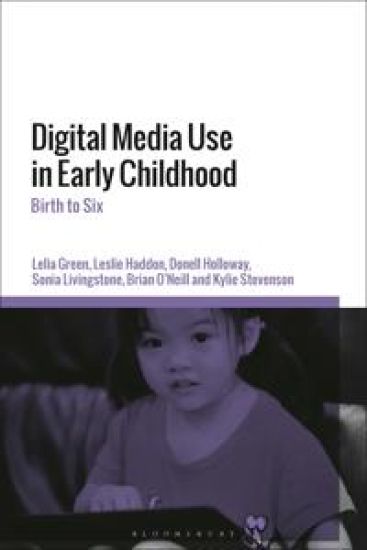
Digital Media Use in Early Childhood

Lelia Green; Leslie Haddon; Sonia Livingstone; Brian O’Neill; Kylie Stevenson; Donell Holloway

BLOOMSBURY PUBLISHING PLC
2024
sidottu
The easy interface of touchscreen technologies like tablets and smartphones has enabled children to access the digital world from a very young age. But while some commentators are enthusiastic about how this can open a new world for fun, learning, and developing digital skills, others see the dangers of yet more screens, inauthentic play, and time spent isolated with electronic babysitters that detract from interaction with parents and learning social skills. Taking five as the age when children transition into formal education, this book draws on a three-year research project examining the realities of under six-year-olds’ experiences of these technologies in the UK and Australia. With a theoretical context including Vygotsky, Bruner, Bronfenbrenner and Flewitt, the book examines how parents of young children evaluate the opportunities and risks of children’s digital media use in the context of other significant influences such as children’s time with grandparents, early childhood care and education. Drawing on in-depth interviews with 22 families, and rich ethnographic data from observation and exchanges with their 29 children, aged four months to five years, the book reveals how digital technologies complement and challenge important aspects of daily life for infants, toddlers and preschoolers.
Parenting for a Digital Future

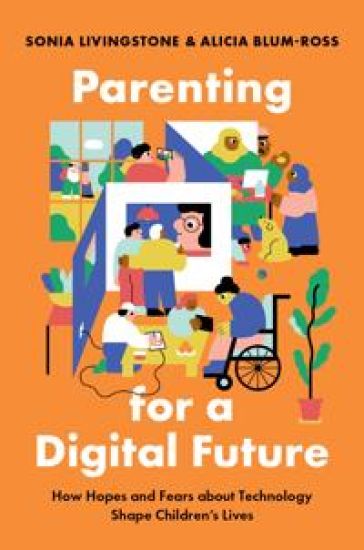
Parenting for a Digital Future

Sonia Livingstone; Alicia Blum-Ross

Oxford University Press Inc
2020
nidottu

Halvin toimitettuna 32,90 €

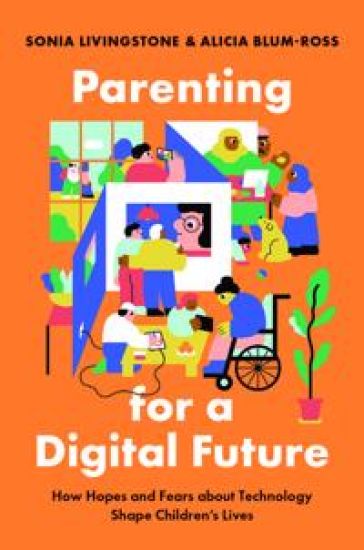
In the decades it takes to bring up a child, parents face challenges that are both helped and hindered by the fact that they are living through a period of unprecedented digital innovation. In Parenting for a Digital Future, Sonia Livingstone and Alicia Blum-Ross draw on extensive and diverse qualitative and quantitative research with a range of parents in the UK to reveal how digital technologies characterize parenting in late modernity, as parents determine how to forge new territory with little precedent or support. They chart how parents often enact authority and values through digital technologies since "screen time," games, and social media have become both ways of being together and of setting boundaries. Parenting for a Digital Future moves beyond the panicky headlines to offer a deeply researched exploration of what it means to parent in a period of significant social and technological change.
Parenting for a Digital Future

Parenting for a Digital Future

Sonia Livingstone; Alicia Blum-Ross

Oxford University Press Inc
2020
sidottu

Halvin toimitettuna 115,20 €

In the decades it takes to bring up a child, parents face challenges that are both helped and hindered by the fact that they are living through a period of unprecedented digital innovation. In Parenting for a Digital Future, Sonia Livingstone and Alicia Blum-Ross draw on extensive and diverse qualitative and quantitative research with a range of parents in the UK to reveal how digital technologies characterize parenting in late modernity, as parents determine how to forge new territory with little precedent or support. They chart how parents often enact authority and values through digital technologies since "screen time," games, and social media have become both ways of being together and of setting boundaries. Parenting for a Digital Future moves beyond the panicky headlines to offer a deeply researched exploration of what it means to parent in a period of significant social and technological change.
Protecting Children Online?

Protecting Children Online?

Tijana Milosevic; Sonia Livingstone

MIT Press
2018
sidottu
A critical examination of efforts by social media companies-including Facebook, Twitter, Snapchat, and Instagram-to rein in cyberbullying by young users. High-profile cyberbullying cases often trigger exaggerated public concern about children's use of social media. Large companies like Facebook respond by pointing to their existing anti-bullying mechanisms or coordinate with nongovernmental organizations to organize anti-cyberbullying efforts. Do these attempts at self-regulation work? In this book, Tijana Milosevic examines the effectiveness of efforts by social media companies-including Facebook, Twitter, YouTube, Snapchat, and Instagram-to rein in cyberbullying by young users. Milosevic analyzes the anti-bullying policies of fourteen major social media companies, as recorded in companies' corporate documents, draws on interviews with company representatives and e-safety experts, and details the roles of nongovernmental organizations examining their ability to provide critical independent advice. She draws attention to lack of transparency in how companies handle bullying cases, emphasizing the need for a continuous independent evaluation of effectiveness of companies' mechanisms, especially from children's perspective. Milosevic argues that cyberbullying should be viewed in the context of children's rights and as part of the larger social problem of the culture of humiliation. Milosevic looks into five digital bullying cases related to suicides, examining the pressures on the social media companies involved, the nature of the public discussion, and subsequent government regulation that did not necessarily address the problem in a way that benefits children. She emphasizes the need not only for protection but also for participation and empowerment-for finding a way to protect the vulnerable while ensuring the child's right to participate in digital spaces.
Making Sense of Television

Making Sense of Television

Sonia Livingstone

Routledge
2017
sidottu
Taking the soap opera as a case study, this book explores the 'parasocial interaction' people engage in with television programmes. It looks at the nature of the 'active viewer' and the role of the text in social psychology. It also investigates the existing theoretical models offered by social psychology and other discourses. This second edition takes into account recent research work and theoretical developments in fields such as narrative psychology, social representation theory and ethnographic work on audiences, and look forward to the developing role of audience research. It will be an essential study for students and lecturers in social psychology and media studies.
The Class

The Class

Sonia Livingstone; Julian Sefton-Green

New York University Press
2016
pokkari
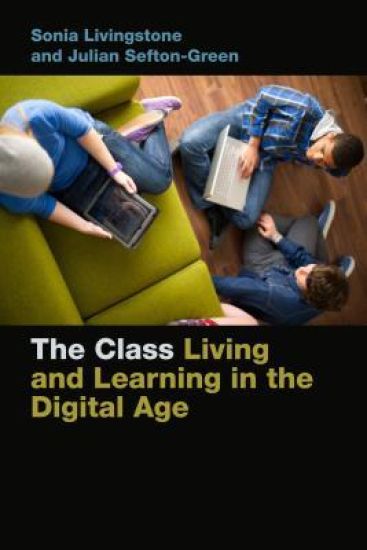
An intimate look at how children network, identify, learn and grow in a connected world. Read Online at connectedyouth.nyupress.org Do today's youth have more opportunities than their parents? As they build their own social and digital networks, does that offer new routes to learning and friendship? How do they navigate the meaning of education in a digitally connected but fiercely competitive, highly individualized world? Based upon fieldwork at an ordinary London school, The Class examines young people's experiences of growing up and learning in a digital world. In this original and engaging study, Livingstone and Sefton-Green explore youth values, teenagers' perspectives on their futures, and their tactics for facing the opportunities and challenges that lie ahead. The authors follow the students as they move across their different social worlds—in school, at home, and with their friends, engaging in a range of activities from video games to drama clubs and music lessons. By portraying the texture of the students' everyday lives, The Class seeks to understand how the structures of social class and cultural capital shape the development of personal interests, relationships and autonomy. Providing insights into how young people's social, digital, and learning networks enable or disempower them, Livingstone and Sefton-Green reveal that the experience of disconnections and blocked pathways is often more common than that of connections and new opportunities.
The Class

The Class

Sonia Livingstone; Julian Sefton-Green

New York University Press
2016
sidottu
An intimate look at how children network, identify, learn and grow in a connected world. Read Online at connectedyouth.nyupress.org Do today's youth have more opportunities than their parents? As they build their own social and digital networks, does that offer new routes to learning and friendship? How do they navigate the meaning of education in a digitally connected but fiercely competitive, highly individualized world? Based upon fieldwork at an ordinary London school, The Class examines young people's experiences of growing up and learning in a digital world. In this original and engaging study, Livingstone and Sefton-Green explore youth values, teenagers' perspectives on their futures, and their tactics for facing the opportunities and challenges that lie ahead. The authors follow the students as they move across their different social worlds—in school, at home, and with their friends, engaging in a range of activities from video games to drama clubs and music lessons. By portraying the texture of the students' everyday lives, The Class seeks to understand how the structures of social class and cultural capital shape the development of personal interests, relationships and autonomy. Providing insights into how young people's social, digital, and learning networks enable or disempower them, Livingstone and Sefton-Green reveal that the experience of disconnections and blocked pathways is often more common than that of connections and new opportunities.
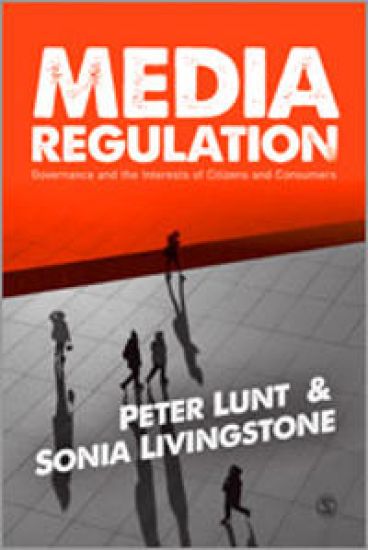
Media Regulation

Media Regulation

Peter Lunt; Sonia Livingstone

SAGE Publications Ltd
2011
sidottu
"An exemplary study of how media regulation works (and, by implication, how it could work better) set within a wider discussion of democratic theory and political values. It will be of interest not only to students and scholars but to people around the world grappling with the same problem: the need to regulate markets, and the difficulty of doing this well." - James Curran, Goldsmiths, University of London In Media Regulation, two leading scholars of the media examine the challenges of regulation in the global mediated sphere. This book explores the way that regulation affects the relations between government, the media and communications market, civil society, citizens and consumers. Drawing on theories of governance and the public sphere, the book critically analyzes issues at the heart of today's media, from the saturation of advertising to burdens on individuals to control their own media literacy. Peter Lunt and Sonia Livingstone incisively lay bare shifts in governance and the new role of the public sphere which implicate self-regulation, the public interest, the role of civil society and the changing risks and opportunities for citizens and consumers. It is essential reading to understand the forces that are reshaping the media landscape.
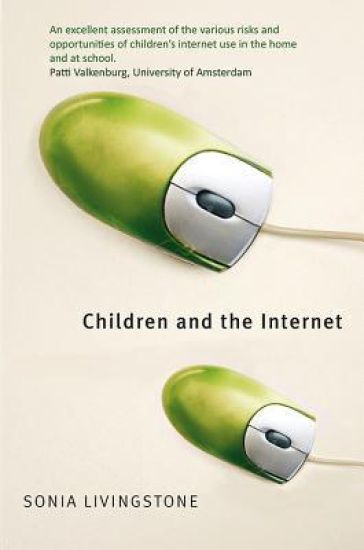
Children and the Internet

Children and the Internet

Sonia Livingstone

JOHN WILEY AND SONS LTD
2009
sidottu
Is the internet really transforming children and young people’s lives? Is the so-called ‘digital generation’ genuinely benefiting from exciting new opportunities? And, worryingly, facing new risks? This major new book by a leading researcher addresses these pressing questions. It deliberately avoids a techno-celebratory approach and, instead, interprets children’s everyday practices of internet use in relation to the complex and changing historical and cultural conditions of childhood in late modernity. Uniquely, Children and the Internet reveals the complex dynamic between online opportunities and online risks, exploring this in relation to much debated issues such as: Digital in/exclusionLearning and literacyPeer networking and privacyCivic participationRisk and harm Drawing on current theories of identity, development, education and participation, this book includes a refreshingly critical account of the challenging realities undermining the great expectations held out for the internet - from governments, teachers, parents and children themselves. It concludes with a forward-looking framework for policy and regulation designed to advance children’s rights to expression, connection and play online as well as offline.
Children and the Internet

Children and the Internet

Sonia Livingstone

JOHN WILEY AND SONS LTD
2009
nidottu
Is the internet really transforming children and young people’s lives? Is the so-called ‘digital generation’ genuinely benefiting from exciting new opportunities? And, worryingly, facing new risks? This major new book by a leading researcher addresses these pressing questions. It deliberately avoids a techno-celebratory approach and, instead, interprets children’s everyday practices of internet use in relation to the complex and changing historical and cultural conditions of childhood in late modernity. Uniquely, Children and the Internet reveals the complex dynamic between online opportunities and online risks, exploring this in relation to much debated issues such as: Digital in/exclusionLearning and literacyPeer networking and privacyCivic participationRisk and harm Drawing on current theories of identity, development, education and participation, this book includes a refreshingly critical account of the challenging realities undermining the great expectations held out for the internet - from governments, teachers, parents and children themselves. It concludes with a forward-looking framework for policy and regulation designed to advance children’s rights to expression, connection and play online as well as offline.
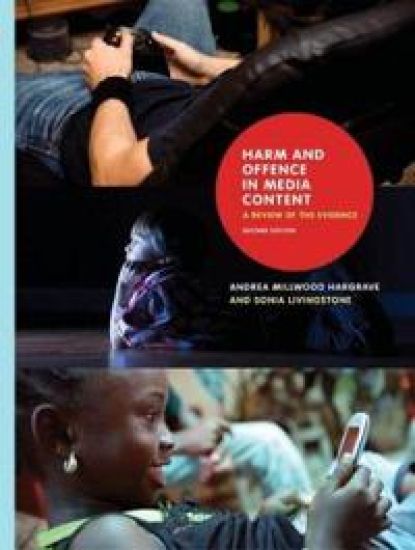
Harm and Offence in Media Content

Harm and Offence in Media Content

Andrea Millwood Hargrave; Sonia Livingstone

Intellect Books
2009
nidottu
Children and teenagers are often the first to adopt new media technologies, and parents and policy makers continue to be concerned about the widespread use of diverse media and its potential effects on young people. Harm and Offence in Media Content presents a significant and comprehensive analysis of the benefits and dangers posed by both established and emergent technologies. Newly updated, this balanced, critical account examines all media, including interactive games, social networking and mobile phones. Many examples specifically focus on the United States, noting the ways in which young people are using new technologies and the partnerships this has given rise to between state governments, media regulators and Internet service providers. This informative guide to a controversial field of study will be a useful resource for scholars in media, communication, psychology, sociology and education.
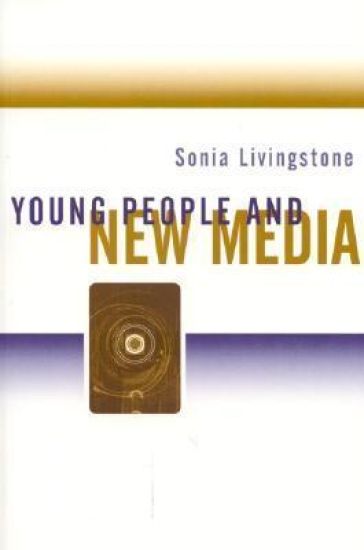
Young People and New Media

Young People and New Media

Sonia Livingstone

SAGE Publications Inc
2002
nidottu
Combining a comprehensive literature review with original empirical research on young people's use of new media, this book provides a fresh and in-depth discussion of the increasingly complex relationship between the media and childhood, the family and the home. We can no longer imagine our daily lives without media and communication technologies. At the start of the 21st century, the home is being transformed into the site of a multimedia culture. This book looks at the discussions around the potential benefits of this new media and asks: What impact are the new media having on childhood and adolescence? Are these technologies changing the nature of young people's leisure and sociability? and has the participation of children in private and public life changed?
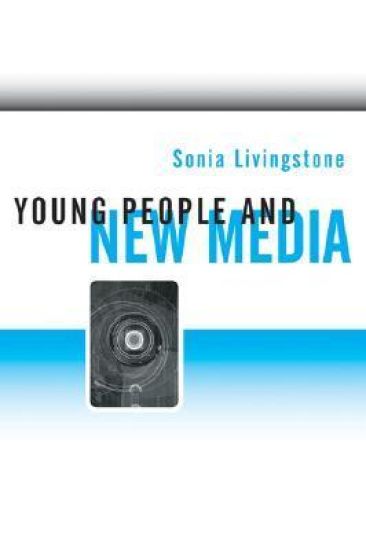
Young People and New Media

Young People and New Media

Sonia Livingstone

SAGE Publications Inc
2002
sidottu
Combining a comprehensive literature review with original empirical research on young people's use of new media, this book provides a fresh and in-depth discussion of the increasingly complex relationship between the media and childhood, the family and the home. We can no longer imagine our daily lives without media and communication technologies. At the start of the 21st century, the home is being transformed into the site of a multimedia culture. This book looks at the discussions around the potential benefits of this new media and asks: What impact are the new media having on childhood and adolescence? Are these technologies changing the nature of young people's leisure and sociability? and has the participation of children in private and public life changed?
Making Sense of Television

Making Sense of Television

Sonia Livingstone

Routledge
1998
nidottu
Taking the soap opera as a case study, this book explores the 'parasocial interaction' people engage in with television programmes. It looks at the nature of the 'active viewer' and the role of the text in social psychology. It also investigates the existing theoretical models offered by social psychology and other discourses. This second edition takes into account recent research work and theoretical developments in fields such as narrative psychology, social representation theory and ethnographic work on audiences, and look forward to the developing role of audience research. It will be an essential study for students and lecturers in social psychology and media studies.
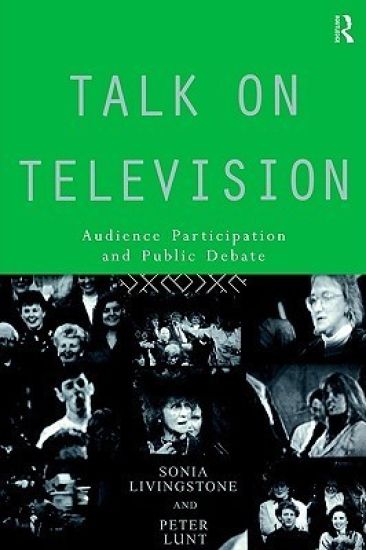
Talk on Television

Talk on Television

Sonia Livingstone; Peter Lunt

Routledge
1993
nidottu
Not only is everyday conversation increasingly dependent on television, but more and more people are appearing on television to discuss social and personal issues. Is any public good served by these programmes or are they simply trashy entertainment which fills the schedules cheaply? Talk on Television examines the value and significance of televised public debate. Analysing a wide range of programmes including Kilroy, Donohue and The Oprah Winfrey Show, the authors draw on interviews with both the studio participants and with those watching at home. They ask how the media manage discussion programmes and whether the programmes really are providing new 'spaces' for public participators. They find out how audiences interpret the programmes when they appear on the screen themselves, and they unravel the conventions - debate, romance, therapy - which make up the genre. They also consider TV's function as a medium of education and information, finally discussing the dangers and opportunities the genre holds for audience participation and public debate in the future.
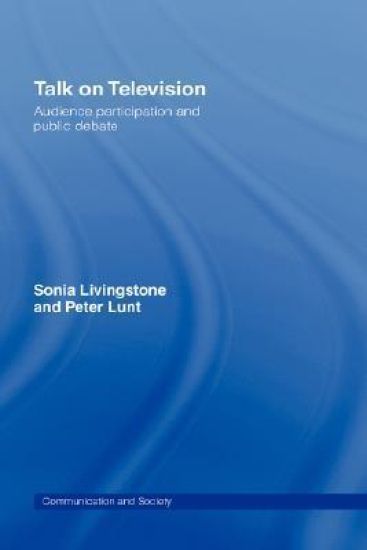
Talk on Television

Talk on Television

Sonia Livingstone; Peter Lunt

Routledge
1993
sidottu
Not only is everyday conversation increasingly dependent on television, but more and more people are appearing on television to discuss social and personal issues. Is any public good served by these programmes or are they simply trashy entertainment which fills the schedules cheaply? Talk on Television examines the value and significance of televised public debate. Analysing a wide range of programmes including Kilroy, Donohue and The Oprah Winfrey Show, the authors draw on interviews with both the studio participants and with those watching at home. They ask how the media manage discussion programmes and whether the programmes really are providing new 'spaces' for public participators. They find out how audiences interpret the programmes when they appear on the screen themselves, and they unravel the conventions - debate, romance, therapy - which make up the genre. They also consider TV's function as a medium of education and information, finally discussing the dangers and opportunities the genre holds for audience participation and public debate in the future.