Kirjojen hintavertailu – 12 859 829 kirjaa ja 27 kauppaa

Kirjailija

Soseki Natsume

Kirjat ja teokset yhdessä paikassa: 63 kirjaa, julkaisuja vuosilta 1996–2027, suosituimpiin kuuluu Kokoro. Vertaile teosten hintoja ja tarkista saatavuus suomalaisista kirjakaupoista.

Nimi esiintyy myös muodoissa: Sôseki Natsume

63 kirjaa

Kirjojen julkaisuvuodet: 1996–2027.

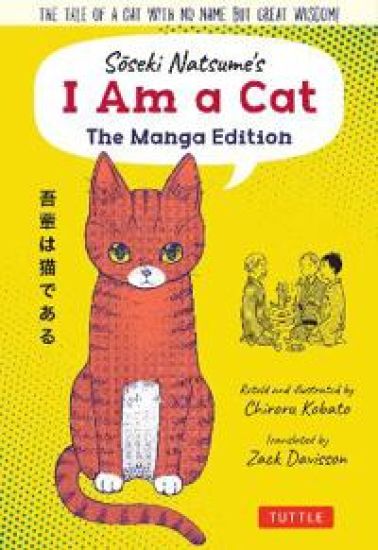
Soseki Natsume's I Am A Cat: The Manga Edition

Soseki Natsume's I Am A Cat: The Manga Edition

Soseki Natsume

Tuttle Publishing
2021
nidottu

Halvin toimitettuna 21,80 €

Japan's beloved literary masterpiece brought to life in manga form! Soseki Natsume's comic masterpiece, I Am a Cat, satirizes the foolishness of upper-middle-class Japanese society in early 20th century Tokyo. Written with biting wit and sardonic perspective, it follows the whimsical adventures of a rather cynical stray kitten. He finds his way into the home of an English teacher, where his running commentary on the follies and foibles of the people around him has been making readers laugh for more than a century. This is the very first manga edition in English of this classic piece of Japanese literature. The story lends itself well to a graphic novel format, allowing readers to pick up on the more subtle cues of the expressive cat, while also being immersed in the world of his perceptive narration. It is true to classic manga form, and is read back to front. Beautifully illustrated by Japanese artist Chiroru Kobato, this edition provides a visual, entertaining look at a unique period in Japan's history—filled with cultural and societal changes, rapid modernization and a feeling of limitless possibility—through the eyes of an unlikely narrator.

Kusamakura

Kusamakura

Soseki Natsume

Lulu.com
2019
nidottu
From Wikipedia:Kusamakura ( lit. "grass pillow") is a Japanese novel published in 1906 by Natsume Soseki. It tells the story of an artist who retreats to the mountains where he stays at a remote, almost deserted hotel. There he becomes intrigued by the mysterious hostess, O-Nami, who reminds him of John Millais' painting Ophelia.
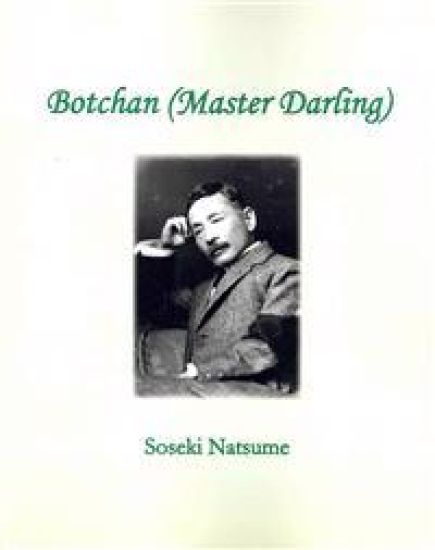
Botchan

Botchan

Soseki Natsume; Umeji Sasaki

Dover Publications Inc.
2012
nidottu
Written in 1906, "Botchan" remains among Japan's most popular novels. Its central theme is morality, and it was based on the author's experiences as a teacher who moves from the city to the provinces. "This rollicking rebel, and the spice and pace of the narrative, will appeal to parent, teacher, and schoolchild alike." -- "Times Literary Supplement."
Wagahai Ha Neko De Aru

Wagahai Ha Neko De Aru

Soseki Natsume

Lulu.com
2011
nidottu
From Wikipedia: I Am a Cat (a e (c)a Zci"a a CaCi Wagahai wa neko de aru) is a satirical novel written in 1905-1906 by Natsume Soseki, about Japanese society during the Meiji Period; particularly, the uneasy mix of Western culture and Japanese traditions, and the aping of Western customs. Soseki's original title, Wagahai wa neko de aru, uses very high register phrases more appropriate to a nobleman, conveying a grandiloquence and self-importance intended to sound ironic, since the speaker is a house cat. The book was first published in ten installments in the literary journal Hototogisu. At first, Soseki intended only to write the short story that constitutes the first chapter of I Am a Cat. However, Takahama Kyoshi, one of the editors of Hototogisu, persuaded Soseki to serialize the work, which evolved stylistically as the installments progressed. Nearly all of the stories can stand alone as a discrete work.
Kokoro

Kokoro

Soseki Natsume

Lulu.com
2011
nidottu
From Wikipedia: Kokoro (a "aCuaCi or a "a "aCi) is a novel by the Japanese author Natsume Soseki. It was first published in 1914 in serial form in the Japanese newspaper Asahi Shinbun. While the title literally means "heart", the word contains shades of meaning, and can be translated as "the heart of things" or "feeling". The work deals with the transition from the Japanese Meiji society to the modern era, by exploring the friendship between a young man and an older man he calls "Sensei" (or teacher). It continues the theme of isolation developed in Soseki's immediately preceding works, here in the context of interwoven strands of egoism and guilt, as opposed to shame. Other important themes in the novel include the changing times (particularly the modernization of Japan in the Meiji era), the changing roles and ideals of women, and intergenerational change in values, the role of family, the importance of the self versus the group, the cost of weakness, and identity.
Wagahai Ha Neko De Aru 2

Wagahai Ha Neko De Aru 2

Soseki Natsume

Lulu.com
2011
nidottu
From Wikipedia: I Am a Cat (a e (c)a Zci"a a CaCi Wagahai wa neko de aru) is a satirical novel written in 1905-1906 by Natsume Soseki, about Japanese society during the Meiji Period; particularly, the uneasy mix of Western culture and Japanese traditions, and the aping of Western customs. Soseki's original title, Wagahai wa neko de aru, uses very high register phrases more appropriate to a nobleman, conveying a grandiloquence and self-importance intended to sound ironic, since the speaker is a house cat. The book was first published in ten installments in the literary journal Hototogisu. At first, Soseki intended only to write the short story that constitutes the first chapter of I Am a Cat. However, Takahama Kyoshi, one of the editors of Hototogisu, persuaded Soseki to serialize the work, which evolved stylistically as the installments progressed. Nearly all of the stories can stand alone as a discrete work.
Wagahai Ha Neko De Aru 3

Wagahai Ha Neko De Aru 3

Soseki Natsume

Lulu.com
2011
nidottu
From Wikipedia: I Am a Cat (a e (c)a Zci"a a CaCi Wagahai wa neko de aru) is a satirical novel written in 1905-1906 by Natsume Soseki, about Japanese society during the Meiji Period; particularly, the uneasy mix of Western culture and Japanese traditions, and the aping of Western customs. Soseki's original title, Wagahai wa neko de aru, uses very high register phrases more appropriate to a nobleman, conveying a grandiloquence and self-importance intended to sound ironic, since the speaker is a house cat. The book was first published in ten installments in the literary journal Hototogisu. At first, Soseki intended only to write the short story that constitutes the first chapter of I Am a Cat. However, Takahama Kyoshi, one of the editors of Hototogisu, persuaded Soseki to serialize the work, which evolved stylistically as the installments progressed. Nearly all of the stories can stand alone as a discrete work.
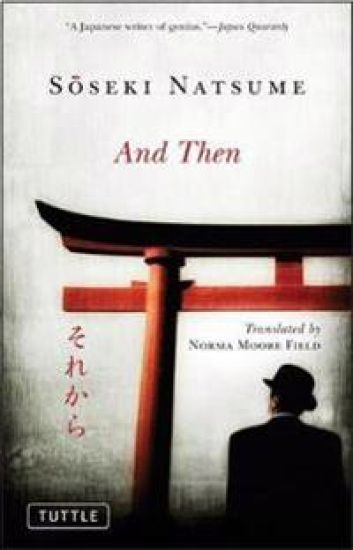
And Then

And Then

Soseki Natsume

Tuttle Publishing
2011
nidottu

Halvin toimitettuna 19,50 €

A stirring and insightful novel from an author Japan Quarterly calls "a Japanese writer of genius." From beloved author Soseki Natsume,And Then tells the story of Daisuke, a man in his twenties who is struggling with his personal purpose and identity as well as the changing social landscape of Meiji-era Japan. As Japan enters the 20th Century, ancient customs give way to Western ideals, and Daisuke works to resolve his feelings of disconnection and abandonment during this time of change. Thanks to his father's wealth, Daisuke has the luxury of having time to develop his philosophies and ruminate on their meaning while remaining intellectually aloof from traditional Japanese culture and the demands of growing industrialization. Daisuke's life takes an unexpected turn when he is reunited with his college friend and his sickly wife. At first, Daisuke's stoicism allows him to act according to his intellect, but his intellectual fortress begins to show its vulnerabilities as his emotions start to hold greater sway over his inner life. Daisuke must now weigh his choices in a culture that has always operated on the razor's edge of societal obligation and personal freedom. And Then is a powerful novel of an individual swept up in the floods of change.
Bocchan

Bocchan

Soseki Natsume

Lulu.com
2011
nidottu
From Wikipedia: Botchan (auea GBPa !aCEaC") is a novel written by Natsume Soseki in 1906. It is considered to be one of the most popular novels in Japan, read by most Japanese during their childhood. The central theme of the story is morality.
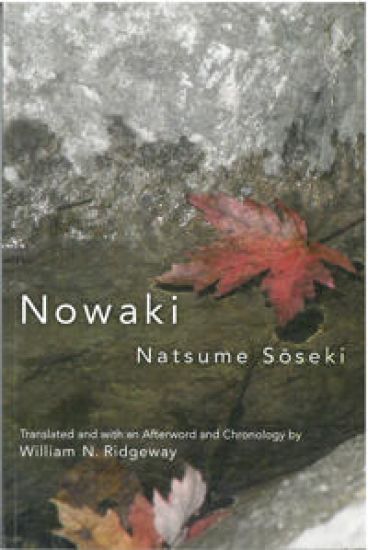
Nowaki

Nowaki

Soseki Natsume; Sôseki Natsume

Center for Japanese Studies, University of Michigan
2011
nidottu
Shirai Doya is a man of letters, a man of principles. His principles sometimes stand in the way of his teaching career, but his writing allows him to openly address “today’s youth” with stern conviction—although he is still unable to make a comfortable living from his writing. Two youths in particular show interest in his ideas: the tubercular impoverished Takayanagi, an aspiring writer himself (and former student of Doya’s, as it turns out), and his rich friend, the dandy Nakano. The lives and minds of the three men come together in ways that are both commonplace and surprising. The setting—mainly Tokyo of one hundred years ago—and the preoccupations of these characters will appear distinctly familiar, even today.
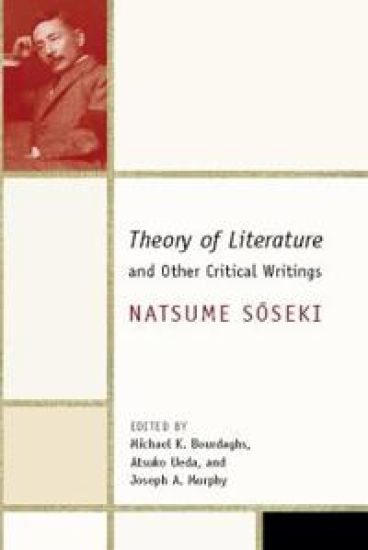
Theory of Literature and Other Critical Writings

Theory of Literature and Other Critical Writings

Soseki Natsume

Columbia University Press
2010
pokkari
Natsume Soseki (1867-1916) was the foremost Japanese novelist of the twentieth century, known for such highly acclaimed works as Kokoro, Sanshiro, and I Am a Cat. Yet he began his career as a literary theorist and scholar of English literature. In 1907, he published Theory of Literature, a remarkably forward-thinking attempt to understand how and why we read. The text anticipates by decades the ideas and concepts of formalism, structuralism, reader-response theory, and postcolonialism, as well as cognitive approaches to literature that are only now gaining traction. Employing the cutting-edge approaches of contemporary psychology and sociology, Soseki created a model for studying the conscious experience of reading literature as well as a theory for how the process changes over time and across cultures. Along with Theory of Literature, this volume reproduces a later series of lectures and essays in which Soseki continued to develop his theories. By insisting that literary taste is socially and historically determined, Soseki was able to challenge the superiority of the Western canon, and by grounding his theory in scientific knowledge, he was able to claim a universal validity.
Sanshiros Wege

Sanshiros Wege

Soseki Natsume

Bebra Verlag
2009
sidottu
Der 23-jährige Sanshir? kommt um 1900 zum Studium aus der Provinz nach Tokyo, wo er eine Welt kennen lernt, die ihm fremd ist: hektisch, unverbindlich und spannend zugleich. Aufgewachsen in einem festen und traditionsbewussten Familienverband kommt Sanshir? mit revolutionären Gedanken in Berührung, die ihn faszinieren und sein Weltbild umkehren - und mit Frauen. Aber neben dem modernen Individualismus und seiner neu erlangten Freiheit spürt Sanshir? zum ersten Mal in seinem Leben Einsamkeit und erfährt, was es bedeutet, auf sich allein gestellt zu sein.
Kokoro

Kokoro

Soseki Natsume

Solum
2009
sidottu
Boka handler om det nære vennskapet mellom hovedpersonen, som er en ung student, og hans læremester Sensei. Den viser de forskjellige nivåer av vennskap, og de midler det moderne mennesket benytter for å unnslippe sin grunnleggende ensomhet.
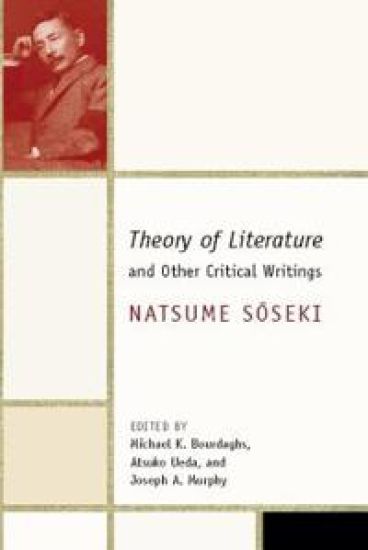
Theory of Literature and Other Critical Writings

Theory of Literature and Other Critical Writings

Soseki Natsume

Columbia University Press
2009
sidottu
Natsume Soseki (1867-1916) was the foremost Japanese novelist of the twentieth century, known for such highly acclaimed works as Kokoro, Sanshiro, and I Am a Cat. Yet he began his career as a literary theorist and scholar of English literature. In 1907, he published Theory of Literature, a remarkably forward-thinking attempt to understand how and why we read. The text anticipates by decades the ideas and concepts of formalism, structuralism, reader-response theory, and postcolonialism, as well as cognitive approaches to literature that are only now gaining traction. Employing the cutting-edge approaches of contemporary psychology and sociology, Soseki created a model for studying the conscious experience of reading literature as well as a theory for how the process changes over time and across cultures. Along with Theory of Literature, this volume reproduces a later series of lectures and essays in which Soseki continued to develop his theories. By insisting that literary taste is socially and historically determined, Soseki was able to challenge the superiority of the Western canon, and by grounding his theory in scientific knowledge, he was able to claim a universal validity.