Kirjojen hintavertailu – 12 903 724 kirjaa ja 27 kauppaa
Kirjailija
Srecko Horvat
Kirjat ja teokset yhdessä paikassa: 8 kirjaa, julkaisuja vuosilta 2014–2021, suosituimpiin kuuluu What Does Europe Want?: The Union and Its Discontents. Vertaile teosten hintoja ja tarkista saatavuus suomalaisista kirjakaupoista.
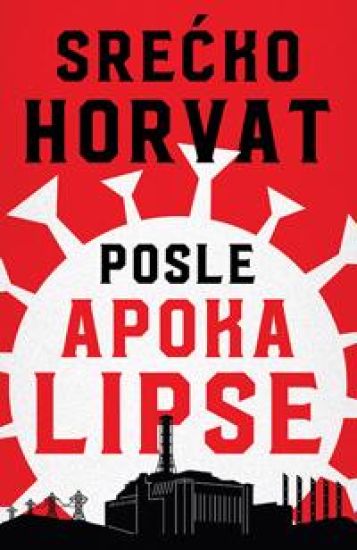
In this post-apocalyptic rollercoaster ride, philosopher Srecko Horvat invites us to explore the Apocalypse in terms of ‘revelation’ (rather than as the ‘end’ itself). He argues that the only way to prevent the end – i.e., extinction – is to engage in a close reading of various interconnected threats, such as climate crisis, the nuclear age and the ongoing pandemic. Drawing on the work of neglected philosopher Günther Anders, this book outlines a philosophical approach to deal with what Horvat, borrowing a term from climate science and giving it a theological twist, calls ‘eschatological tipping points’. These are no longer just the nuclear age or climate crisis, but their collision, conjoined with various other major threats – not only pandemics, but also the viruses of capitalism and fascism. In his investigation of the future of places such as Chernobyl, the Mediterranean and the Marshall Islands, as well as many others affected by COVID-19, Horvat contends that the ‘revelation’ appears simple and unprecedented: the alternatives are no longer socialism or barbarism – our only alternatives today are a radical reinvention of the world, or mass extinction. After the Apocalypse is an urgent call not only to mourn tomorrow’s dead today but to struggle for our future while we can.
In this post-apocalyptic rollercoaster ride, philosopher Srecko Horvat invites us to explore the Apocalypse in terms of ‘revelation’ (rather than as the ‘end’ itself). He argues that the only way to prevent the end – i.e., extinction – is to engage in a close reading of various interconnected threats, such as climate crisis, the nuclear age and the ongoing pandemic. Drawing on the work of neglected philosopher Günther Anders, this book outlines a philosophical approach to deal with what Horvat, borrowing a term from climate science and giving it a theological twist, calls ‘eschatological tipping points’. These are no longer just the nuclear age or climate crisis, but their collision, conjoined with various other major threats – not only pandemics, but also the viruses of capitalism and fascism. In his investigation of the future of places such as Chernobyl, the Mediterranean and the Marshall Islands, as well as many others affected by COVID-19, Horvat contends that the ‘revelation’ appears simple and unprecedented: the alternatives are no longer socialism or barbarism – our only alternatives today are a radical reinvention of the world, or mass extinction. After the Apocalypse is an urgent call not only to mourn tomorrow’s dead today but to struggle for our future while we can.
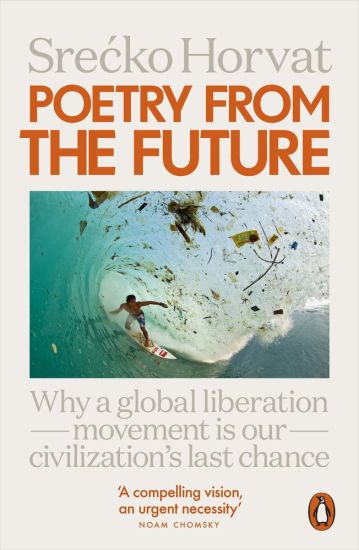
'A compelling vision, an urgent necessity, and not beyond reach' Noam ChomskyThe past is forgotten, and the future is without hope. Dystopia has become a reality. This is the new normal in our apocalyptic politics - but if we accept it, our helplessness is guaranteed. To bring about real change, argues activist and political philosopher Srecko Horvat, we must first transform our mindset. Ranging through time and space, from the partisan liberation movements of Nazi-occupied Yugoslavia to the contemporary culture, refugee camps and political frontlines of 21st century Europe, Horvat shows that the problems we face today are of an unprecedented nature. To solve them, he argues in this passionate call for a new radical internationalism, we must move beyond existing ways of thinking: beyond borders, national identities and the redundant narratives of the past. Only in this way can we create new models for living and, together, shape a more open and optimistic future.
What would happen if we could stroll through the revolutionary history of the 20th century and, without any fear of the possible responses, ask the main protagonists - from Lenin to Che Guevara, from Alexandra Kollontai to Ulrike Meinhof - seemingly naïve questions about love? Although all important political and social changes of the 20th century included heated debates on the role of love, it seems that in the 21st century of new technologies of the self (Grindr, Tinder, online dating, etc.) we are faced with a hyperinflation of sex, not love. By going back to the sexual revolution of the October Revolution and its subsequent repression, to Che?s dilemma between love and revolutionary commitment and to the period of ?68 (from communes to terrorism) and its commodification in late capitalism, the Croatian philosopher Srecko Horvat gives a possible answer to the question of why it is that the most radical revolutionaries like Lenin or Che were scared of the radicality of love. What is so radical about a seemingly conservative notion of love and why is it anything but conservative? This short book is a modest contribution to the current upheavals around the world - from Tahrir to Taksim, from Occupy Wall Street to Hong Kong, from Athens to Sarajevo - in which the question of love is curiously, surprisingly, absent.
What would happen if we could stroll through the revolutionary history of the 20th century and, without any fear of the possible responses, ask the main protagonists - from Lenin to Che Guevara, from Alexandra Kollontai to Ulrike Meinhof - seemingly naïve questions about love? Although all important political and social changes of the 20th century included heated debates on the role of love, it seems that in the 21st century of new technologies of the self (Grindr, Tinder, online dating, etc.) we are faced with a hyperinflation of sex, not love. By going back to the sexual revolution of the October Revolution and its subsequent repression, to Che?s dilemma between love and revolutionary commitment and to the period of ?68 (from communes to terrorism) and its commodification in late capitalism, the Croatian philosopher Srecko Horvat gives a possible answer to the question of why it is that the most radical revolutionaries like Lenin or Che were scared of the radicality of love. What is so radical about a seemingly conservative notion of love and why is it anything but conservative? This short book is a modest contribution to the current upheavals around the world - from Tahrir to Taksim, from Occupy Wall Street to Hong Kong, from Athens to Sarajevo - in which the question of love is curiously, surprisingly, absent.
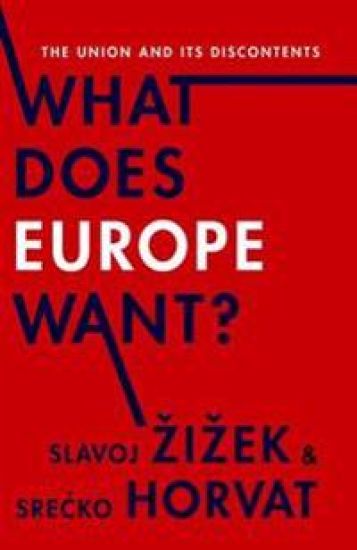
Slavoj iek and Srecko Horvat combine their critical clout to emphasize the dangers of ignoring Europe's growing wealth gap and the parallel rise in right-wing nationalism, which is directly tied to the fallout from the ongoing financial crisis and its prescription of imposed austerity. To general observers, the European Union's economic woes appear to be its greatest problem, but the real peril is an ongoing ideological-political crisis that threatens an era of instability and reactionary brutality. The fall of communism in 1989 seemed to end the leftist program of universal emancipation. However, nearly a quarter of a century later, the European Union has failed to produce any coherent vision that can mobilize people to action. Until recently, the only ideology receptive to European workers has been the nationalist call to "defend" against immigrant integration. Today, Europe is focused on regulating the development of capitalism and promoting a reactionary conception of its cultural heritage. Yet staying these courses, iek and Horvat show, only strips Europe of its power and stifles its political ingenuity. The best hope is for Europe to revive and defend its legacy of universal egalitarianism, which benefits all parties by preserving the promise of equal representation.
Slavoj iek and Srecko Horvat combine their critical clout to emphasize the dangers of ignoring Europe's growing wealth gap and the parallel rise in right-wing nationalism, which is directly tied to the fallout from the ongoing financial crisis and its prescription of imposed austerity. To general observers, the European Union's economic woes appear to be its greatest problem, but the real peril is an ongoing ideological-political crisis that threatens an era of instability and reactionary brutality. The fall of communism in 1989 seemed to end the leftist program of universal emancipation. However, nearly a quarter of a century later, the European Union has failed to produce any coherent vision that can mobilize people to action. Until recently, the only ideology receptive to European workers has been the nationalist call to "defend" against immigrant integration. Today, Europe is focused on regulating the development of capitalism and promoting a reactionary conception of its cultural heritage. Yet staying these courses, iek and Horvat show, only strips Europe of its power and stifles its political ingenuity. The best hope is for Europe to revive and defend its legacy of universal egalitarianism, which benefits all parties by preserving the promise of equal representation.