Kirjojen hintavertailu – 12 903 725 kirjaa ja 27 kauppaa

Kirjailija

Sridhar Poosapadi Arjunan

Kirjat ja teokset yhdessä paikassa: 3 kirjaa, julkaisuja vuosilta 2014–2017, suosituimpiin kuuluu Human-Computer Interface Technologies for the Motor Impaired. Vertaile teosten hintoja ja tarkista saatavuus suomalaisista kirjakaupoista.

3 kirjaa

Kirjojen julkaisuvuodet: 2014–2017.

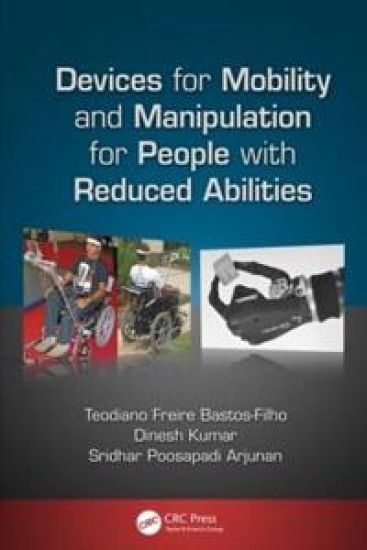
Devices for Mobility and Manipulation for People with Reduced Abilities

Devices for Mobility and Manipulation for People with Reduced Abilities

Teodiano Bastos-Filho; Dinesh Kumar; Sridhar Poosapadi Arjunan

CRC Press
2017
nidottu
The development and application of assistive technology can help those with reduced abilities improve their quality of life and reduce their dependence on others. Written in layman’s terms, Devices for Mobility and Manipulation for People with Reduced Abilities provides research and information on assistive technologies for non-technical people. While it highlights various mobility and manipulative technologies, with the exception of specific examples within the text, it keeps technical terminology, equations, and software details to a minimum. It presents technical material in a digestible way for people with reduced abilities as well as for their caregivers. Each chapter covers a specific technology, and starts with a general introduction of that technology, followed by the technical details and an assessment from the user’s viewpoint. This includes the user benefits and suitability, cost, reliability, and required infrastructure. The chapter also provides illustrations or photographs of the devices, and identifies shortcomings, current research related to the technology, and possible development opportunities. Each chapter provides the range of specifications for the equipment and includes a list of manufacturers. Discusses user advantages and conditionsExamines technologies for robotic wheelchairs and prosthesesHelps a clinician or user understand the different devices that support people with disabilitiesThis book provides clinicians, users, and engineers with the details of different technologies, and also includes a guide to the technology that underpins each of these devices, making it easier for people to understand the devices. References are also included for scientists, designers, and other tech-savvy professionals interested in further information.
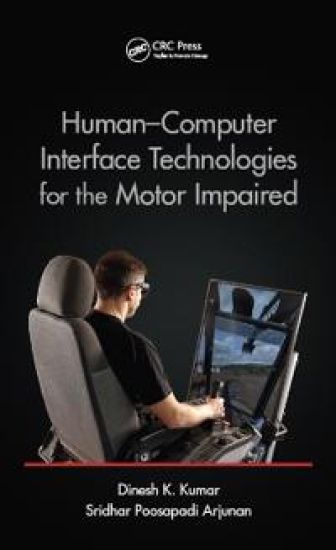
Human-Computer Interface Technologies for the Motor Impaired

Human-Computer Interface Technologies for the Motor Impaired

Dinesh K. Kumar; Sridhar Poosapadi Arjunan

Apple Academic Press Inc.
2015
sidottu
Human Computer Interface Technologies for the Motor Impaired examines both the technical and social aspects of human computer interface (HCI). Written by world-class academic experts committed to improving HCI technologies for people with disabilities, this all-inclusive book explores the latest research, and offers insight into the current limitations of this field. It introduces the concept of HCI, identifies and describes the fundamentals associated with a specific technology of HCI, and provides examples for each. It also lists and highlights the different modalities (video, speech, mechanical, myoelectric, electro-oculogram, and brain-waves) that are available, and discusses their relevant applications. Easily and readily understood by researchers, engineers, clinicians, and the common layperson, the book describes a number of HCI technologies ranging from simple modification of the computer mouse and joystick to a brain–computer interface (BCI) that uses the electrical recording of the brain activity of the user. The text includes photographs or illustrations for each device, as well as references at the end of each chapter for further study. In addition, this book: Describes the mechanical sensors that are used as an interface to control a computer or screen for the aged and disabledDiscusses the BCI using brain waves recorded by noninvasive electrodes to recognize the command from the userPresents the myoelectric interface for controlling devices such as the prosthetic/robotic handExplains the technology of tracking the eye gaze using videoProvides the fundamentals of voice recognition technologies for computer and machine control applicationsExamines a secure and voiceless method for the recognition of speech-based commands using video of lip movement Human Computer Interface Technologies for the Motor Impaired considers possible applications, discusses limitations, and presents the current research taking place in the field of HCI. Dedicated to enhancing the lives of people living with disabilities, this book aids professionals in biomedical, electronics, and computer engineering, and serves as a resource for anyone interested in the developing applications of HCI.
Devices for Mobility and Manipulation for People with Reduced Abilities

Devices for Mobility and Manipulation for People with Reduced Abilities

Teodiano Bastos-Filho; Dinesh Kumar; Sridhar Poosapadi Arjunan

CRC Press Inc
2014
sidottu
The development and application of assistive technology can help those with reduced abilities improve their quality of life and reduce their dependence on others. Written in layman’s terms, Devices for Mobility and Manipulation for People with Reduced Abilities provides research and information on assistive technologies for non-technical people. While it highlights various mobility and manipulative technologies, with the exception of specific examples within the text, it keeps technical terminology, equations, and software details to a minimum. It presents technical material in a digestible way for people with reduced abilities as well as for their caregivers. Each chapter covers a specific technology, and starts with a general introduction of that technology, followed by the technical details and an assessment from the user’s viewpoint. This includes the user benefits and suitability, cost, reliability, and required infrastructure. The chapter also provides illustrations or photographs of the devices, and identifies shortcomings, current research related to the technology, and possible development opportunities. Each chapter provides the range of specifications for the equipment and includes a list of manufacturers. Discusses user advantages and conditionsExamines technologies for robotic wheelchairs and prosthesesHelps a clinician or user understand the different devices that support people with disabilitiesThis book provides clinicians, users, and engineers with the details of different technologies, and also includes a guide to the technology that underpins each of these devices, making it easier for people to understand the devices. References are also included for scientists, designers, and other tech-savvy professionals interested in further information.