Kirjojen hintavertailu – 12 903 725 kirjaa ja 27 kauppaa

Kirjailija

Stanley L. Brodsky

Kirjat ja teokset yhdessä paikassa: 7 kirjaa, julkaisuja vuosilta 2004–2022, suosituimpiin kuuluu Coping with Cross-Examination and Other Pathways to Effective Testimony. Vertaile teosten hintoja ja tarkista saatavuus suomalaisista kirjakaupoista.

7 kirjaa

Kirjojen julkaisuvuodet: 2004–2022.

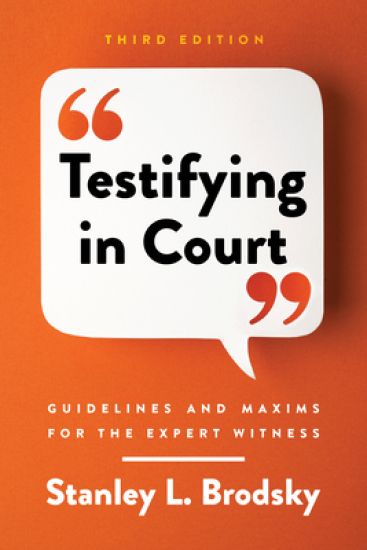
Testifying in Court

Testifying in Court

Stanley L. Brodsky

AMERICAN PSYCHOLOGICAL ASSOCIATION
2022
pokkari
The third edition of this classic resource provides mental health professionals with simple, practical advice for testifying in court. In this book, Stan Brodsky maintains his witty, conversational style of teaching while modeling ideal testimony. Short chapters blend humorous anecdotes with accessible guidelines drawn from Brodsky amp rsquo s decades of experience as an expert witness and trainer, and from colleagues in various fields, including medical professionals. Each chapter concludes with a pithy maxim that emphasizes the most important takeaway for readers, making this book an ideal reference that can be consulted just prior to court appearances. New to this edition are: substantial updates and revisions to existing guidelines and case examples new and updated topics, including advice for virtual testimony and revised coverage of culture and diversity in forensic evaluations a clearer organization with chapters grouped by themes such as pretrial preparations, direct examination, and cross-examination, and an appendix that gathers all the book's maxims together for easy reference.
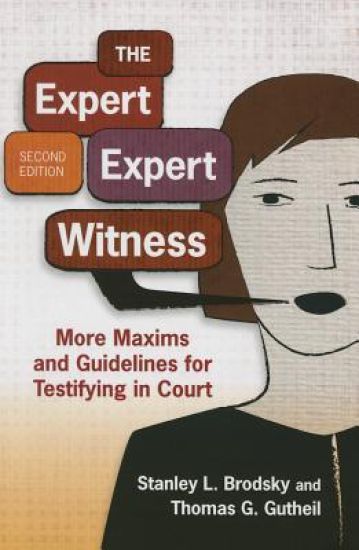
The Expert Expert Witness

The Expert Expert Witness

Stanley L. Brodsky; Thomas G. Gutheil

American Psychological Association
2015
pokkari
Psychologists, psychiatrists, and other mental health professionals may be experts in their respective fields, but this expertise does not easily translate to effective courtroom testimony. Even veteran expert witnesses can encounter new challenges in these high-pressure situations, especially during a cross-examination where every statement and gesture can be scrutinized by an attorney searching for ways to dispute the expert's credibility and opinions. For more than two decades, Stanley L. Brodsky has taught expert witnesses simple and practical strategies they can use to negotiate challenges in the courtroom and give strong, effective testimony. In this thorough update to his classic guide, Brodsky and his equally prolific coauthor, Thomas G. Gutheil, continue to provide sage, humorous advice that will put expert witnesses at ease and allow them to comport themselves with poise and confidence throughout direct and cross-examination. Short chapters punctuated by memorable maxims draw from the authors' expansive personal experiences, as well as research and stories from other expert expert witnesses, to create this must-have resource that will inform and entertain expert witnesses for many years.
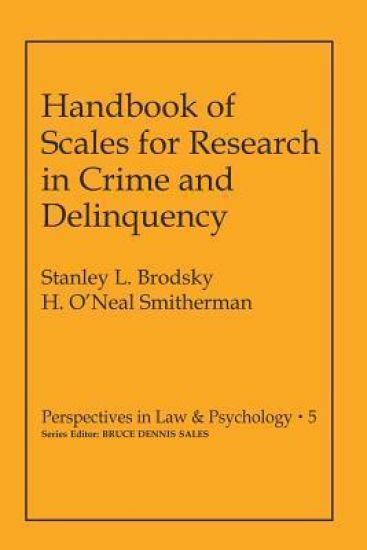
Handbook of Scales for Research in Crime and Delinquency

Handbook of Scales for Research in Crime and Delinquency

Stanley L. Brodsky; H. O'Neal Smitherman

Springer-Verlag New York Inc.
2013
nidottu
In contrast to the great diversity of other crime and delinquency research measures, those drawn from the CPI and the MMPI have much in common. They are taken from standardized instruments administered under controlled conditions, with known stimulus properties and validity indicators. The CPI and MMPI measures will frequently be instruments of choice in research on personality and psychodynamics of offenders. CHAPTER 6 Law Enforcement and Police This chapter encompasses a variety of scales that refer to law enforcement or police agencies. Unfortunately, in the case of many scales, these terms are used simply with the assumption that the respondents understand the concepts and use them in the same way as researchers. In other cases, however, specific policing functions are identified and described. As noted in Chapter 3, a standard order of scale presentation is followed. First the attitudes scales are presented, followed by the behavior ratings, per­ sonality measures, milieu ratings, prediction measures and finally the very broad category of description. After the reviews are completed within each subcategory, other scales in that category are listed. (See Chapter 2 for a description of the criteria that were used in deciding upon whether a scale would be reviewed or simply listed. ) Listed scales are presented by title and bibliographic reference, followed by a very brief description.
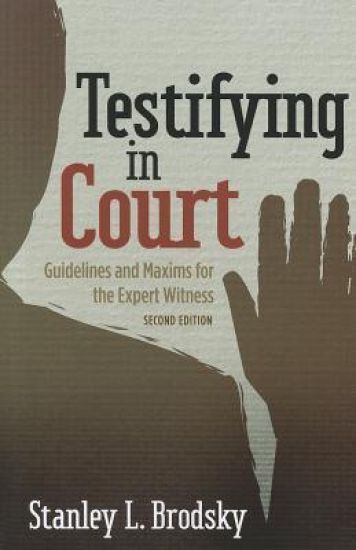
Testifying in Court

Testifying in Court

Stanley L. Brodsky

American Psychological Association
2012
nidottu
Testifying in court can be a challenging experience. Novices who are unfamiliar with the judicial environment can feel insecure about many aspects of their testimony, from the language they use to the clothes they wear. Even experienced expert witnesses can be flustered by a skillful lawyer's cross-examination. For over 20 years, Stanley Brodsky's Testifying in Court has been a trusted guide for expert witnesses across a variety of professions. Readers have come to know and trust his sage and good-humoured advice on every aspect of the experience from initial preparations to maintaining power and control during cross-examination. In this extensively updated edition of his classic text, the author has combined a wealth of new research with feedback from users of the first edition and his own evolving experience as an expert witness. As in the first edition, key principles are addressed in brief essays that draw on real-life scenarios and end in a take-home maxim.
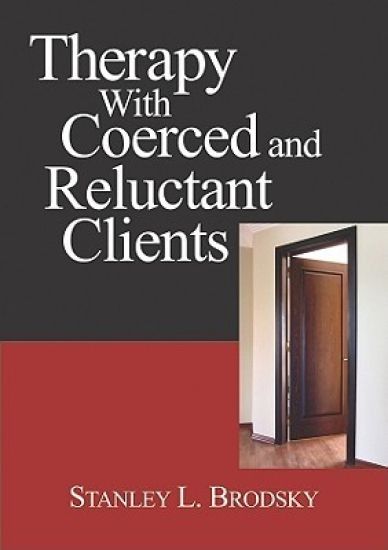
Therapy With Coerced and Reluctant Clients

Therapy With Coerced and Reluctant Clients

Stanley L. Brodsky

American Psychological Association
2010
sidottu
Stanley L. Brodsky demonstrates how therapists can tailor their interventions to avoid impasses, build a firm alliance with the coerced and reluctant client, and help him or her develop more productive behaviors. Through the use of case material, the author demonstrates that interacting creatively with reluctant clients can lead to significant breakthroughs. The provocative ideas in this book will be welcomed by therapists and counselors who work with offenders, probationers, involuntarily committed patients and, more broadly, other clients who fail to make progress.
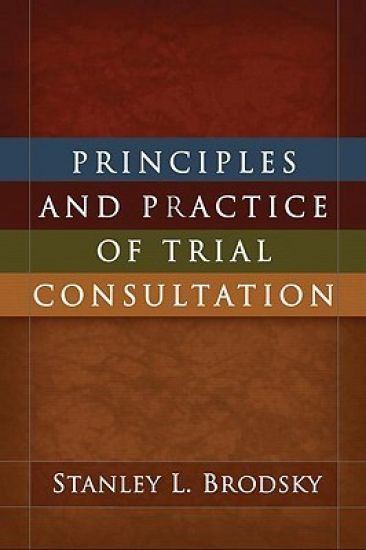
Principles and Practice of Trial Consultation

Principles and Practice of Trial Consultation

Stanley L. Brodsky

Guilford Publications
2009
sidottu
A pragmatic guide to a growing area of professional practice, this book describes the multiple roles of the trial consultant and provides tools for carrying them out competently and ethically. Leading authority Stanley Brodsky uses examples from actual trials and depositions to illustrate how knowledge and skills from psychology and related fields are applied in the legal context. He shows how to use scientific methods and findings to assist with jury selection, help attorneys focus their arguments, prepare witnesses for the rigors of cross-examination, and conduct change of venue evaluations. The examples are drawn from a wide range of civil and criminal cases. In addition to behavioral scientists, legal professionals also will find important insights and strategies in this book.
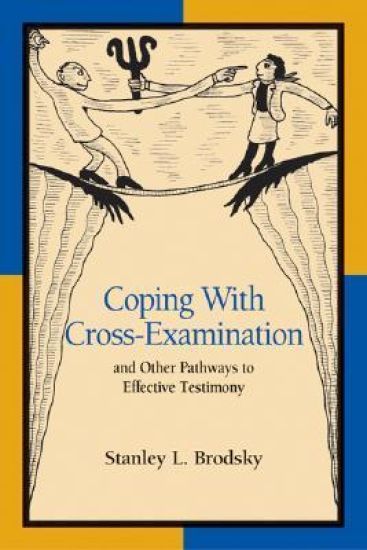
Coping with Cross-Examination and Other Pathways to Effective Testimony

Coping with Cross-Examination and Other Pathways to Effective Testimony

Stanley L. Brodsky

American Psychological Association
2004
pokkari
In his latest collection of essays for forensic psychologists, Stanley L. Brodsky extends the lessons of his popular Testifying in Court series by focusing on the cross-examination, the trial phase that expert witnesses dread most. A leading teacher, scholar, and expert witness, Dr. Brodsky offers lessons and advice from the trenches to defuse the vulnerability psychologists may feel on the witness stand. More than 5 brief essays, each summarized by a maxim, teach readers about the typical techniques attorneys use to challenge experts' credibility and the basis of their opinions. Pointers on preparation and effective narrative style are included, backed by findings from the emerging literature on the assessment of expert testimony.