Kirjojen hintavertailu – 12 859 818 kirjaa ja 27 kauppaa
Kirjailija
Stanley W. Lindberg
Kirjat ja teokset yhdessä paikassa: 2 kirjaa, julkaisuja vuosilta 1991–1996, suosituimpiin kuuluu The Stories of Erskine Caldwell. Vertaile teosten hintoja ja tarkista saatavuus suomalaisista kirjakaupoista.
This collection of ninety-six stories was first published in 1953 and presents the best of Erskine Caldwell's short fiction from his most productive period of work. Included is "Crown-Fire," which James Dickey praised as "the best story in the language," and such personal favorites of Caldwell as "Country Full of Swedes," "The Windfall," "Horse Thief," "Yellow Girl," and "Kneel to the Rising Sun."
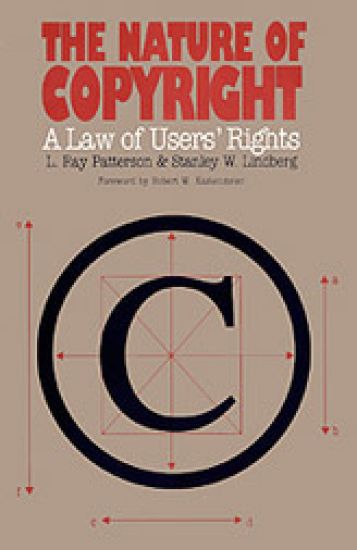
This forthright and provocative book offers a new perspective on copyright law and the legal rights of individuals to use copyrighted materials. Most Americans believe that the primary purpose of copyright is to protect authors against the theft of their property. They are wrong, say L. Ray Patterson and Stanley W. Lindberg. Guaranteeing certain rights to authors (and to the entrepreneurs who publish and market their creations) is only an incidental function of copyright; it exists ultimately for the public’s benefit. The constitutionally ordained purpose of copyright, the authors remind us, is to promote the public welfare by the advancement of knowledge. In The Nature of Copyright they present an extended analysis of the fair-use doctrine and articulate a new concept that they demonstrate is implicit in copyright law: the rule of personal use. Viewing copyright in a historical context, Patterson and Lindberg show how its original purposes—to prevent both the monopoly of the book trade and the official censorship of writings—have been lost largely as a result of uninformed jurisprudence. Contributing to the problem have been special-interest groups that have circulated official-looking but misleading copyright “guidelines” for copyright users, librarians, and others. According to the authors, the claims in these intimidating guidelines, such as copying restrictions based on specific word counts, are not legally binding and indeed are often groundless. If the current trend to give publishers and other vested interests even wider protection under copyright continues, warn Patterson and Lindberg, knowledge could become a private commodity to which access is tightly controlled. The authors also address the effect of recent court rulings in such cases as [J. D.] Salinger v. Random House, Inc., and New Era Pub. Int. v. Henry Holt & Co. (the L. Ron Hubbard biography case). Severely hampering the work of biogra