Kirjojen hintavertailu – 12 903 725 kirjaa ja 27 kauppaa

Kirjailija

Stefan Voigt

Kirjat ja teokset yhdessä paikassa: 14 kirjaa, julkaisuja vuosilta 1899–2024, suosituimpiin kuuluu Explaining Constitutional Change. Vertaile teosten hintoja ja tarkista saatavuus suomalaisista kirjakaupoista.

14 kirjaa

Kirjojen julkaisuvuodet: 1899–2024.

Tidy Finance with Python

Tidy Finance with Python

Christoph Scheuch; Stefan Voigt; Patrick Weiss; Christoph Frey

TAYLOR FRANCIS LTD
2024
sidottu
This textbook shows how to bring theoretical concepts from finance and econometrics to the data. Focusing on coding and data analysis with Python, we show how to conduct research in empirical finance from scratch. We start by introducing the concepts of tidy data and coding principles using pandas, numpy, and plotnine. Code is provided to prepare common open-source and proprietary financial data sources (CRSP, Compustat, Mergent FISD, TRACE) and organize them in a database. We reuse these data in all the subsequent chapters, which we keep as self-contained as possible. The empirical applications range from key concepts of empirical asset pricing (beta estimation, portfolio sorts, performance analysis, Fama-French factors) to modeling and machine learning applications (fixed effects estimation, clustering standard errors, difference-in-difference estimators, ridge regression, Lasso, Elastic net, random forests, neural networks) and portfolio optimization techniques. Key Features:Self-contained chapters on the most important applications and methodologies in finance, which can easily be used for the reader’s research or as a reference for courses on empirical finance. Each chapter is reproducible in the sense that the reader can replicate every single figure, table, or number by simply copying and pasting the code we provide. A full-fledged introduction to machine learning with scikit-learn based on tidy principles to show how factor selection and option pricing can benefit from Machine Learning methods. We show how to retrieve and prepare the most important datasets financial economics: CRSP and Compustat, including detailed explanations of the most relevant data characteristics. Each chapter provides exercises based on established lectures and classes which are designed to help students to dig deeper. The exercises can be used for self-studying or as a source of inspiration for teaching exercises.
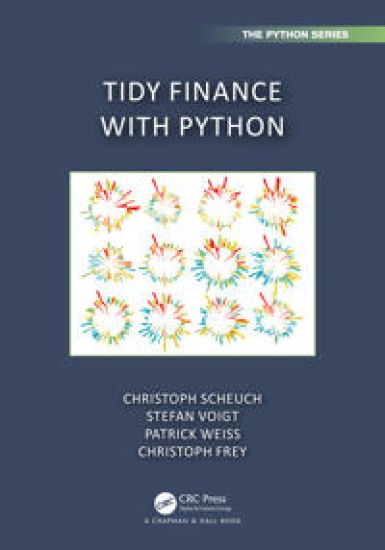
Tidy Finance with Python

Tidy Finance with Python

Christoph Scheuch; Stefan Voigt; Patrick Weiss; Christoph Frey

TAYLOR FRANCIS LTD
2024
nidottu
This textbook shows how to bring theoretical concepts from finance and econometrics to the data. Focusing on coding and data analysis with Python, we show how to conduct research in empirical finance from scratch. We start by introducing the concepts of tidy data and coding principles using pandas, numpy, and plotnine. Code is provided to prepare common open-source and proprietary financial data sources (CRSP, Compustat, Mergent FISD, TRACE) and organize them in a database. We reuse these data in all the subsequent chapters, which we keep as self-contained as possible. The empirical applications range from key concepts of empirical asset pricing (beta estimation, portfolio sorts, performance analysis, Fama-French factors) to modeling and machine learning applications (fixed effects estimation, clustering standard errors, difference-in-difference estimators, ridge regression, Lasso, Elastic net, random forests, neural networks) and portfolio optimization techniques. Key Features:Self-contained chapters on the most important applications and methodologies in finance, which can easily be used for the reader’s research or as a reference for courses on empirical finance. Each chapter is reproducible in the sense that the reader can replicate every single figure, table, or number by simply copying and pasting the code we provide. A full-fledged introduction to machine learning with scikit-learn based on tidy principles to show how factor selection and option pricing can benefit from Machine Learning methods. We show how to retrieve and prepare the most important datasets financial economics: CRSP and Compustat, including detailed explanations of the most relevant data characteristics. Each chapter provides exercises based on established lectures and classes which are designed to help students to dig deeper. The exercises can be used for self-studying or as a source of inspiration for teaching exercises.
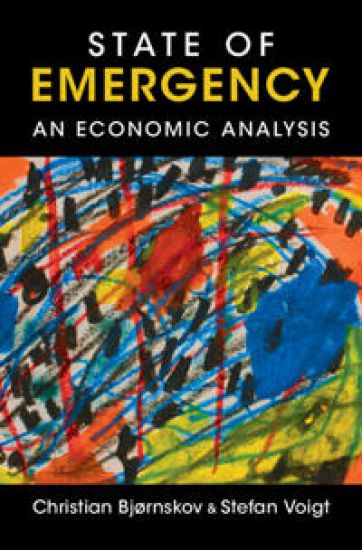
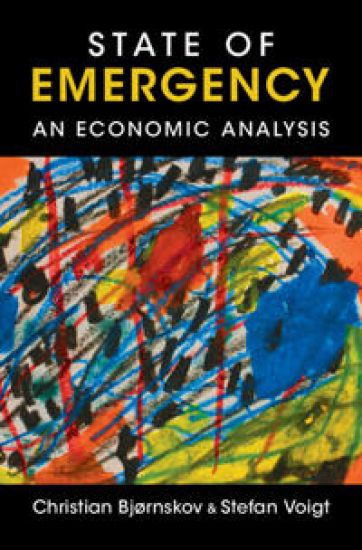
State of Emergency

State of Emergency

Christian Bjørnskov; Stefan Voigt

Cambridge University Press
2024
pokkari

Halvin toimitettuna 39,70 €

Nine out of ten constitutions contain explicit emergency provisions. During the pandemic, half of the governments with such constitutions has made use of these provisions by declaring a state of emergency. State of Emergency is the first book to analyse the factors that lead to such provisions being included in newly drafted constitutions. It explores their use – as well as their misuse – and explains the effects that using emergency provisions has. Declaring a state of emergency is particularly challenging in federally constituted states as it endangers the balance of powers between the federal level and the states. This book, therefore, pays special attention to this topic. Focusing on two of the most important recent cases relating to emergency provisions: the Covid-19 pandemic and acts of terrorism, this book uses numerous examples to analyse emergency provisions with a rigorous empirical approach.
State of Emergency

State of Emergency

Christian Bjørnskov; Stefan Voigt

Cambridge University Press
2024
sidottu
Nine out of ten constitutions contain explicit emergency provisions. During the pandemic, half of the governments with such constitutions has made use of these provisions by declaring a state of emergency. State of Emergency is the first book to analyse the factors that lead to such provisions being included in newly drafted constitutions. It explores their use – as well as their misuse – and explains the effects that using emergency provisions has. Declaring a state of emergency is particularly challenging in federally constituted states as it endangers the balance of powers between the federal level and the states. This book, therefore, pays special attention to this topic. Focusing on two of the most important recent cases relating to emergency provisions: the Covid-19 pandemic and acts of terrorism, this book uses numerous examples to analyse emergency provisions with a rigorous empirical approach.
Tidy Finance with R

Tidy Finance with R

Christoph Scheuch; Stefan Voigt; Patrick Weiss

TAYLOR FRANCIS LTD
2023
sidottu
This textbook shows how to bring theoretical concepts from finance and econometrics to the data. Focusing on coding and data analysis with R, we show how to conduct research in empirical finance from scratch. We start by introducing the concepts of tidy data and coding principles using the tidyverse family of R packages. Code is provided to prepare common open-source and proprietary financial data sources (CRSP, Compustat, Mergent FISD, TRACE) and organize them in a database. We reuse these data in all the subsequent chapters, which we keep as self-contained as possible. The empirical applications range from key concepts of empirical asset pricing (beta estimation, portfolio sorts, performance analysis, Fama-French factors) to modeling and machine learning applications (fixed effects estimation, clustering standard errors, difference-in-difference estimators, ridge regression, Lasso, Elastic net, random forests, neural networks) and portfolio optimization techniques. HighlightsSelf-contained chapters on the most important applications and methodologies in finance, which can easily be used for the reader’s research or as a reference for courses on empirical financeEach chapter is reproducible in the sense that the reader can replicate every single figure, table, or number by simply copying and pasting the code we provideA full-fledged introduction to machine learning with tidymodels based on tidy principles to show how factor selection and option pricing can benefit from Machine Learning methodsChapter 2 on accessing and managing financial data shows how to retrieve and prepare the most important datasets financial economics: CRSP and Compustat. The chapter also contains detailed explanations of the most relevant data characteristicsEach chapter provides exercises based on established lectures and classes which are designed to help students to dig deeper. The exercises can be used for self-studying or as a source of inspiration for teaching exercises
Tidy Finance with R

Tidy Finance with R

Christoph Scheuch; Stefan Voigt; Patrick Weiss

TAYLOR FRANCIS LTD
2023
nidottu
This textbook shows how to bring theoretical concepts from finance and econometrics to the data. Focusing on coding and data analysis with R, we show how to conduct research in empirical finance from scratch. We start by introducing the concepts of tidy data and coding principles using the tidyverse family of R packages. Code is provided to prepare common open-source and proprietary financial data sources (CRSP, Compustat, Mergent FISD, TRACE) and organize them in a database. We reuse these data in all the subsequent chapters, which we keep as self-contained as possible. The empirical applications range from key concepts of empirical asset pricing (beta estimation, portfolio sorts, performance analysis, Fama-French factors) to modeling and machine learning applications (fixed effects estimation, clustering standard errors, difference-in-difference estimators, ridge regression, Lasso, Elastic net, random forests, neural networks) and portfolio optimization techniques. HighlightsSelf-contained chapters on the most important applications and methodologies in finance, which can easily be used for the reader’s research or as a reference for courses on empirical financeEach chapter is reproducible in the sense that the reader can replicate every single figure, table, or number by simply copying and pasting the code we provideA full-fledged introduction to machine learning with tidymodels based on tidy principles to show how factor selection and option pricing can benefit from Machine Learning methodsChapter 2 on accessing and managing financial data shows how to retrieve and prepare the most important datasets financial economics: CRSP and Compustat. The chapter also contains detailed explanations of the most relevant data characteristicsEach chapter provides exercises based on established lectures and classes which are designed to help students to dig deeper. The exercises can be used for self-studying or as a source of inspiration for teaching exercises
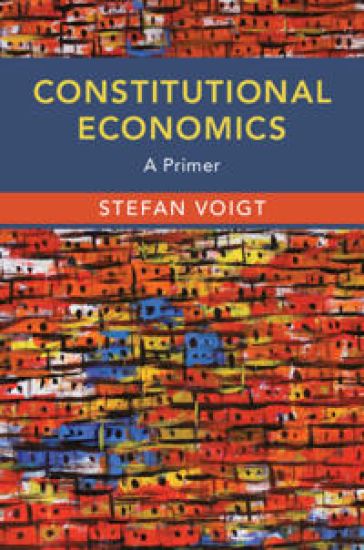
Constitutional Economics

Constitutional Economics

Stefan Voigt

Cambridge University Press
2020
sidottu
Constitutional political economy has emerged as an indispensable part of political economy. This book offers a concise survey of the questions, methods, and empirical findings central to this topic. What effects – if any – do constitutions have within autocracies? Can small electoral districts help reduce corruption? Does a country's leadership affect the size of its government? Can direct democratic institutions increase politicians' accountability to citizens? Stefan Voigt, a pioneer in the field, explores these questions and more throughout the course of this cutting-edge primer. As the number of courses in constitutional economics continues to grow, this book fills an important gap in the literature. This highly original project maintains curiosity about the questions it generates, identifying potential new areas of research whilst successfully demonstrating the impact constitutional rules have on political economy.
Constitutional Economics

Constitutional Economics

Stefan Voigt

Cambridge University Press
2020
pokkari
Constitutional political economy has emerged as an indispensable part of political economy. This book offers a concise survey of the questions, methods, and empirical findings central to this topic. What effects – if any – do constitutions have within autocracies? Can small electoral districts help reduce corruption? Does a country's leadership affect the size of its government? Can direct democratic institutions increase politicians' accountability to citizens? Stefan Voigt, a pioneer in the field, explores these questions and more throughout the course of this cutting-edge primer. As the number of courses in constitutional economics continues to grow, this book fills an important gap in the literature. This highly original project maintains curiosity about the questions it generates, identifying potential new areas of research whilst successfully demonstrating the impact constitutional rules have on political economy.
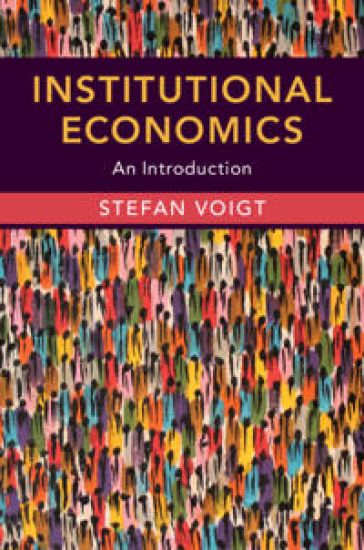
Institutional Economics

Institutional Economics

Stefan Voigt

Cambridge University Press
2019
sidottu
Why is it that some countries become rich while others remain poor? Do markets require regulation to function efficiently? If markets offer an efficient way of exchanging goods, why do individuals even create firms? How are economic transactions organized in the absence of a state that could enforce contracts and guarantee property rights? Institutional economics has allowed social scientists to answer many fundamental questions about the organization and functioning of societies. This introduction to institutional economics is concise, yet easy to understand. It not only caters to students of economics but to anybody interested in this topical research area and its specific subfields. Both formal and informal institutions (such as customs, habits, and traditions) are discussed with respect to their causes and consequences, highlighting the important part they play for economic growth and development.
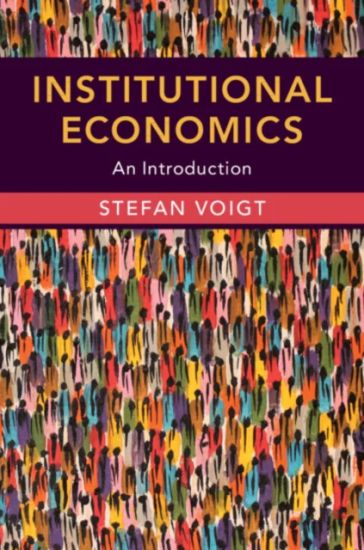
Institutional Economics

Institutional Economics

Stefan Voigt

Cambridge University Press
2019
pokkari

Halvin toimitettuna 58,20 €

Why is it that some countries become rich while others remain poor? Do markets require regulation to function efficiently? If markets offer an efficient way of exchanging goods, why do individuals even create firms? How are economic transactions organized in the absence of a state that could enforce contracts and guarantee property rights? Institutional economics has allowed social scientists to answer many fundamental questions about the organization and functioning of societies. This introduction to institutional economics is concise, yet easy to understand. It not only caters to students of economics but to anybody interested in this topical research area and its specific subfields. Both formal and informal institutions (such as customs, habits, and traditions) are discussed with respect to their causes and consequences, highlighting the important part they play for economic growth and development.
Making European Merger Policy More Predictable

Making European Merger Policy More Predictable

Stefan Voigt; André Schmidt

Springer-Verlag New York Inc.
2010
nidottu
Making European Merger Policy More Predictable analyses European Merger Control with regard to its capacity to generate predictability among the concerned parties. Starting from the premise that predictability is of overwhelming importance for the functioning of market economies, Voigt and Schmidt ask to what degree European Merger Control has been predictable over the last couple of years. The authors show both theoretically and empirically that there have been serious shortcomings with regard to the predictability of competition policy. They identify the insufficient recognition of the consequences of globalization on the competitive processes as well as an often inconsistent application of economic theory as the root causes for the lack of predictability. The inconsistent application of economic theory is particularly relevant with regard to potential competition and the evaluation of collective dominance. The authors generate a substantial number of proposals that could help to improve predictability. On this basis, Voigt and Schmidt critically assess the recent reforms of European Merger Control.
Konsequenzen Der Globalisierung Fuer Die Wettbewerbspolitik

Konsequenzen Der Globalisierung Fuer Die Wettbewerbspolitik

Thoralf Erb; Jochen Jahraus; Uwe Mummert; Axel Schulz; Stefan Voigt

Peter Lang AG
2000
nidottu
Fusionen sehr grosser Unternehmen werden in der OEffentlichkeit zunehmend kritisch bewertet. Megafusionen wurden den Wettbewerb gefahrden. Bisweilen ist sogar die Forderung nach einem Weltkartellamt zu hoeren. Die Autoren haben diese Diskussion zum Ausgangspunkt ihrer Untersuchung gemacht. Sie fragen, welche Konsequenzen die Globalisierung der Wirtschaft fur die deutsche Fusionskontrolle bisher hatte. Sie zeigen, dass das Bundeskartellamt die durch die Globalisierung geanderten Rahmenbedingungen bisher nur unzureichend berucksichtigt hat. Die Autoren argumentieren, dass die Globalisierung vieler Markte sowie die gesunkenen Marktzutrittskosten Anlass sein sollten, die Fusionskontrolle auf nationaler Ebene zu liberalisieren.
Explaining Constitutional Change

Explaining Constitutional Change

Stefan Voigt

Edward Elgar Publishing Ltd
1999
sidottu
This book aims to extend the current research and debate in constitutional economics by using a positive economics approach. Born out of discontent with the current state in constitutional economics, this book presents an inquiry in the possibilities of a positive constitutional economics, and how societies choose their constitutional rules. Drawing on economics, the book examines the emergence of constitutions and how and why they change over time. The author proposes that model constitutions are based on, and backed by institutions which have developed spontaneously. He presents some predictions on the scope of constitutional change under various constitutional settings and factors which cause constitutional change. Stefan Voigt concludes that constitutional change is reconceptualized as the outcome of a bargaining game, in which changes reflect the altered bargaining power of the actors. This book will be welcomed by academics working in the fields of political economy, law and economics as well as those from the public choice and new institutional schools of thought.
Making European Merger Policy More Predictable

Making European Merger Policy More Predictable

Stefan Voigt; André Schmidt

Springer-Verlag New York Inc.
1899
sidottu
Making European Merger Policy More Predictable analyses European Merger Control with regard to its capacity to generate predictability among the concerned parties. Starting from the premise that predictability is of overwhelming importance for the functioning of market economies, Voigt and Schmidt ask to what degree European Merger Control has been predictable over the last couple of years. The authors show both theoretically and empirically that there have been serious shortcomings with regard to the predictability of competition policy. They identify the insufficient recognition of the consequences of globalization on the competitive processes as well as an often inconsistent application of economic theory as the root causes for the lack of predictability. The inconsistent application of economic theory is particularly relevant with regard to potential competition and the evaluation of collective dominance. The authors generate a substantial number of proposals that could help to improve predictability. On this basis, Voigt and Schmidt critically assess the recent reforms of European Merger Control.