Kirjojen hintavertailu – 12 859 824 kirjaa ja 27 kauppaa

Kirjailija

Stella M. Rouse

Kirjat ja teokset yhdessä paikassa: 6 kirjaa, julkaisuja vuosilta 2013–2022, suosituimpiin kuuluu Citizens of the World. Vertaile teosten hintoja ja tarkista saatavuus suomalaisista kirjakaupoista.

6 kirjaa

Kirjojen julkaisuvuodet: 2013–2022.

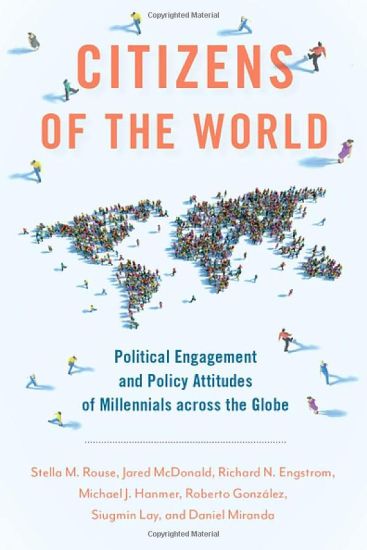
Citizens of the World

Citizens of the World

Stella M. Rouse; Jared McDonald; Richard N. Engstrom; Michael J. Hanmer; Roberto González; Siugmin Lay; Daniel Miranda

OXFORD UNIVERSITY PRESS INC
2022
nidottu
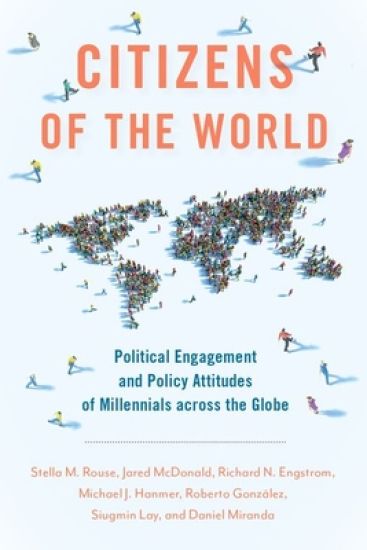
The Millennial Generation, those born between the early 1980s and the late 1990s, is the most educated, digitally connected, and globalized in the history of the world. Around the globe, this generation encompasses 1.8 billion people--a quarter of the world's population--and will soon produce a majority of the world's political, economic, and social leaders. Millennials grew up experiencing the terrorist attacks of September 11, the perpetual "war on terror", the global proliferation of the internet and smart phones, and the increased interconnectedness of people around the world. In many countries, Millennials' young adulthood has been marked by high rates of unemployment and underemployment that surpass those of their parents and grandparents, making them the first generation in the modern era to have higher rates of poverty than their predecessors at the same age. These factors afford a unique opportunity to explore how Millennial attitudes, compared to older adults, vary across different cultures, political settings, and economic circumstances. Citizens of the World examines the Millennial Generation from a comparative perspective, providing insight into the degree to which generational differences in political attitudes and behaviors transcend cultures and borders. The book looks at Millennial attitudes about family life, gender roles, institutions, politics, religion, lifestyle, and the future to better understand how or if governance will change under this generation and the degree of influence they currently wield in different countries. Key to this research is the finding that Millennials have developed a global identity that distinguishes them from older adults. Drawing on data from Australia, Chile, Mexico, New Zealand, South Africa, South Korea, the United Kingdom, and the United States, Citizens of the World shows how this global identity has developed and how it fuels Millennials' policy attitudes and willingness to engage in the political world.
Citizens of the World

Citizens of the World

Stella M. Rouse; Jared McDonald; Richard N. Engstrom; Michael J. Hanmer; Roberto González; Siugmin Lay; Daniel Miranda

OXFORD UNIVERSITY PRESS INC
2022
sidottu
The Millennial Generation, those born between the early 1980s and the late 1990s, is the most educated, digitally connected, and globalized in the history of the world. Around the globe, this generation encompasses 1.8 billion people--a quarter of the world's population--and will soon produce a majority of the world's political, economic, and social leaders. Millennials grew up experiencing the terrorist attacks of September 11, the perpetual "war on terror", the global proliferation of the internet and smart phones, and the increased interconnectedness of people around the world. In many countries, Millennials' young adulthood has been marked by high rates of unemployment and underemployment that surpass those of their parents and grandparents, making them the first generation in the modern era to have higher rates of poverty than their predecessors at the same age. These factors afford a unique opportunity to explore how Millennial attitudes, compared to older adults, vary across different cultures, political settings, and economic circumstances. Citizens of the World examines the Millennial Generation from a comparative perspective, providing insight into the degree to which generational differences in political attitudes and behaviors transcend cultures and borders. The book looks at Millennial attitudes about family life, gender roles, institutions, politics, religion, lifestyle, and the future to better understand how or if governance will change under this generation and the degree of influence they currently wield in different countries. Key to this research is the finding that Millennials have developed a global identity that distinguishes them from older adults. Drawing on data from Australia, Chile, Mexico, New Zealand, South Africa, South Korea, the United Kingdom, and the United States, Citizens of the World shows how this global identity has developed and how it fuels Millennials' policy attitudes and willingness to engage in the political world.
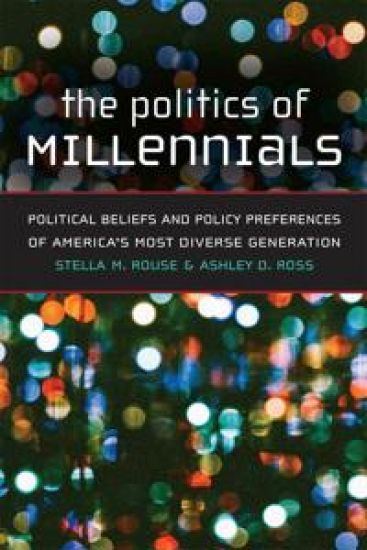
The Politics of Millennials

The Politics of Millennials

Stella M. Rouse; Ashley D Ross

The University of Michigan Press
2020
nidottu
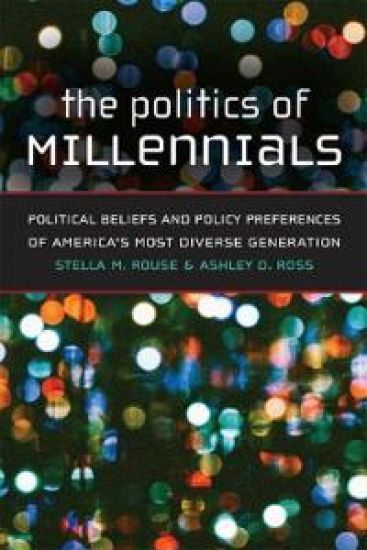
Today the Millennial generation, the cohort born from the early 1980s to the late 1990s, is the largest generation in the United States. It exceeds one-quarter of the population and is the most diverse generation in U. S. history. Millennials grew up experiencing September 11, the global proliferation of the Internet and of smart phones, and the worst economic recession since the Great Depression of the 1930s. Their young adulthood has been marked by rates of unemployment and underemployment surpassing those of their parents and grandparents, making them the first generation in the modern era to have higher rates of poverty than their predecessors at the same age. The Politics of Millennials explores the factors that shape the Millennial generation’s unique political identity, how this identity conditions political choices, and how this cohort’s diversity informs political attitudes and beliefs. Few scholars have empirically identified and studied the political attitudes and policy preferences of Millennials, despite the size and influence of this generation. This book explores politics from a generational perspective, first, and then combines this with other group identities that include race and ethnicity to bring a new perspective to how we examine identity politics.
The Politics of Millennials

The Politics of Millennials

Stella M. Rouse; Ashley D Ross

The University of Michigan Press
2018
sidottu
Today the Millennial generation, the cohort born from the early 1980s to the late 1990s, is the largest generation in the United States. It exceeds one-quarter of the population and is the most diverse generation in U. S. history. Millennials grew up experiencing September 11, the global proliferation of the Internet and of smart phones, and the worst economic recession since the Great Depression of the 1930s. Their young adulthood has been marked by rates of unemployment and underemployment surpassing those of their parents and grandparents, making them the first generation in the modern era to have higher rates of poverty than their predecessors at the same age. The Politics of Millennials explores the factors that shape the Millennial generation’s unique political identity, how this identity conditions political choices, and how this cohort’s diversity informs political attitudes and beliefs. Few scholars have empirically identified and studied the political attitudes and policy preferences of Millennials, despite the size and influence of this generation. This book explores politics from a generational perspective, first, and then combines this with other group identities that include race and ethnicity to bring a new perspective to how we examine identity politics.
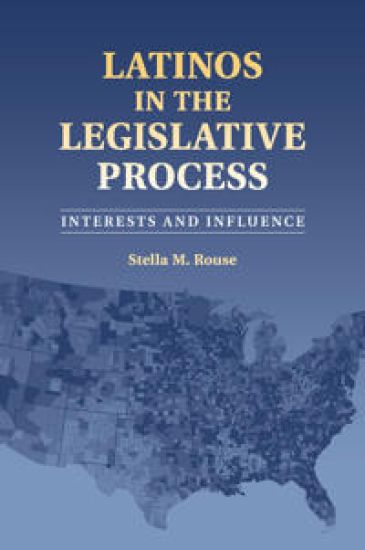
Latinos in the Legislative Process

Latinos in the Legislative Process

Stella M. Rouse

Cambridge University Press
2016
pokkari
In one of the only accounts of Latino legislative behavior, Stella M. Rouse examines how well the growing Latino population translates their increased presence into legislative influence. Latinos in the Legislative Process explores Latino representation by considering the role of ethnicity throughout the legislative process - from bill sponsorship, to committee deliberations, to floor votes - in seven state legislatures. Rouse first identifies issues that are priorities for Latinos and tells us whether a Latino political agenda exists. She then provides a theoretical framework for ethnicity in legislative behavior and outcomes. Rouse demonstrates that ethnicity is a complex dynamic that plays a variable role in the legislative process. Thus, Latino representation cannot be viewed monolithically.
Latinos in the Legislative Process

Latinos in the Legislative Process

Stella M. Rouse

Cambridge University Press
2013
sidottu
In one of the only accounts of Latino legislative behavior, Stella M. Rouse examines how well the growing Latino population translates their increased presence into legislative influence. Latinos in the Legislative Process explores Latino representation by considering the role of ethnicity throughout the legislative process - from bill sponsorship, to committee deliberations, to floor votes - in seven state legislatures. Rouse first identifies issues that are priorities for Latinos and tells us whether a Latino political agenda exists. She then provides a theoretical framework for ethnicity in legislative behavior and outcomes. Rouse demonstrates that ethnicity is a complex dynamic that plays a variable role in the legislative process. Thus, Latino representation cannot be viewed monolithically.