Kirjojen hintavertailu – 12 903 725 kirjaa ja 27 kauppaa

Kirjailija

Sten Nilsson

Kirjat ja teokset yhdessä paikassa: 6 kirjaa, julkaisuja vuosilta 1993–2017, suosituimpiin kuuluu Protecting the Atmosphere. Vertaile teosten hintoja ja tarkista saatavuus suomalaisista kirjakaupoista.

6 kirjaa

Kirjojen julkaisuvuodet: 1993–2017.

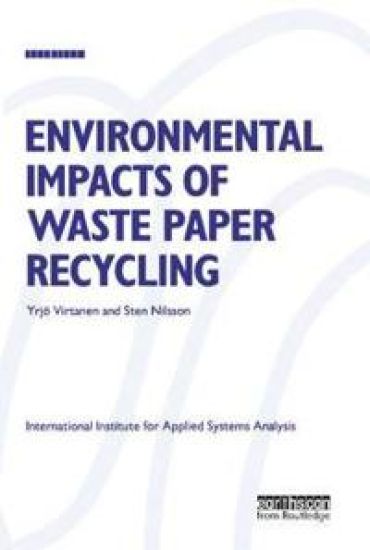
Environmental Impacts of Waste Paper Recycling

Environmental Impacts of Waste Paper Recycling

Yrjo Virtanen; Sten Nilsson

Routledge
2017
sidottu
Public concern for the conservation of natural resources and a general awareness of the environmental consequences of waste disposal is reflected in current legislation aimed at reducing waste. Recycling is commonly cited as one of the preferred methods of waste reduction and this book summarizes a recent study of paper recycling in Europe, which investigated the entire production and disposal process using a life-cycle methodology. The results of the study underline the economic and environmental advantages of paper recycling, but more controversially, they also show how, under certain conditions, the renewable character and the high energy content of paper seem to make energy recovery more attractive than recycling.
Mountain World in Danger

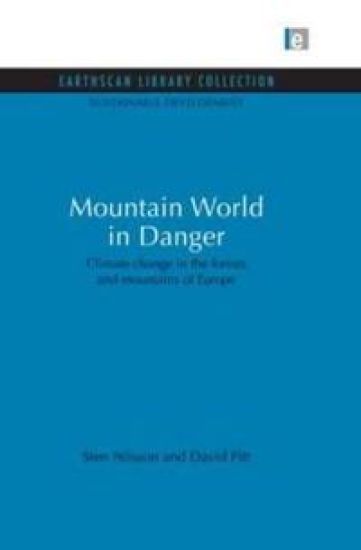
Mountain World in Danger

Sten Nilsson; David Pitt

Routledge
2013
nidottu
The changing climate, the warming of the world and acid rain are among the greatest problems facing us at the end of the twentieth century. This book describes, for the first time, the effects of these phenomena on the high mountains and the forests of Europe. Mountains and the frozen regions (the cryosphere) not only play a major part in our climatic system, but are also central to our water supplies. Yet our glaciers are shrinking, our lakes and soils are becoming acidified, our forests are damaged and the whole fragile ecosystem of ranges like the Alps and the Caucasus is threatened. Nilsson and Pitt present the evidence and assess the probable effects of these changes on mountain society, tourism, water, flora and fauna. They also examine the uncertainties. Above all they look, too, at the best possible strategies in response to What is happening and at what the next steps should be. Originally published in 1991
Protecting the Atmosphere

Protecting the Atmosphere

Sten Nilsson; David Pitt

Routledge
2013
nidottu
'The authors take us into less-known corridors of climate Realpolitik and energy power play. We are provided with the essential vocabulary to understand what is at stake and how the challenge should be tackled' Prince Sadruddin Aga Khan Global warming and the resulting climate change present one of the greatest potential threats humanity has had to face. Every country contributes to them and they affect every person. Correspondingly, the Framework Convention on Climate Change, negotiated at the Earth Summit and since, is potentially one of the most significant international agreements ever reached ? and its successful implementation is vital if the threat is to be averted. This book provides a guide to the Convention and explains in very clear terms what is involved: the background which makes it so necessary; the tortuous process involved in negotiating it; what it says; and most importantly, how it must be interpreted and implemented, making clear the scale of the changes involved and the dangers of evading them. Sten Nilsson is leader of the forest resources project at the International Institute for Applied Systems Analysis. David Pitt is a consultant to the Bellerive Foundation and Alp Action. They are the authors of Mountain World in Danger, published by Earthscan in 1991. Originally published in 1994
Protecting the Atmosphere

Protecting the Atmosphere

Sten Nilsson; David Pitt

Earthscan Ltd
2009
sidottu
'The authors take us into less-known corridors of climate Realpolitik and energy power play. We are provided with the essential vocabulary to understand what is at stake and how the challenge should be tackled' Prince Sadruddin Aga Khan Global warming and the resulting climate change present one of the greatest potential threats humanity has had to face. Every country contributes to them and they affect every person. Correspondingly, the Framework Convention on Climate Change, negotiated at the Earth Summit and since, is potentially one of the most significant international agreements ever reached ? and its successful implementation is vital if the threat is to be averted. This book provides a guide to the Convention and explains in very clear terms what is involved: the background which makes it so necessary; the tortuous process involved in negotiating it; what it says; and most importantly, how it must be interpreted and implemented, making clear the scale of the changes involved and the dangers of evading them. Sten Nilsson is leader of the forest resources project at the International Institute for Applied Systems Analysis. David Pitt is a consultant to the Bellerive Foundation and Alp Action. They are the authors of Mountain World in Danger, published by Earthscan in 1991. Originally published in 1994
Mountain World in Danger

Mountain World in Danger

Sten Nilsson; David Pitt

Earthscan Ltd
2009
sidottu
The changing climate, the warming of the world and acid rain are among the greatest problems facing us at the end of the twentieth century. This book describes, for the first time, the effects of these phenomena on the high mountains and the forests of Europe. Mountains and the frozen regions (the cryosphere) not only play a major part in our climatic system, but are also central to our water supplies. Yet our glaciers are shrinking, our lakes and soils are becoming acidified, our forests are damaged and the whole fragile ecosystem of ranges like the Alps and the Caucasus is threatened. Nilsson and Pitt present the evidence and assess the probable effects of these changes on mountain society, tourism, water, flora and fauna. They also examine the uncertainties. Above all they look, too, at the best possible strategies in response to What is happening and at what the next steps should be. Originally published in 1991
Environmental Impacts of Waste Paper Recycling

Environmental Impacts of Waste Paper Recycling

Yrjo Virtanen; Sten Nilsson

Earthscan Ltd
1993
nidottu
Public concern for the conservation of natural resources and a general awareness of the environmental consequences of waste disposal is reflected in current legislation aimed at reducing waste. Recycling is commonly cited as one of the preferred methods of waste reduction and this book summarizes a recent study of paper recycling in Europe, which investigated the entire production and disposal process using a life-cycle methodology. The results of the study underline the economic and environmental advantages of paper recycling, but more controversially, they also show how, under certain conditions, the renewable character and the high energy content of paper seem to make energy recovery more attractive than recycling.