Kirjojen hintavertailu – 12 903 724 kirjaa ja 27 kauppaa

Kirjailija

Stephan M. Funk

Kirjat ja teokset yhdessä paikassa: 4 kirjaa, julkaisuja vuosilta 2011–2022, suosituimpiin kuuluu Hunting Wildlife in the Tropics and Subtropics. Vertaile teosten hintoja ja tarkista saatavuus suomalaisista kirjakaupoista.

4 kirjaa

Kirjojen julkaisuvuodet: 2011–2022.

Hunting Wildlife in the Tropics and Subtropics

Hunting Wildlife in the Tropics and Subtropics

Julia E. Fa; Stephan M. Funk; Robert Nasi

Cambridge University Press
2022
pokkari
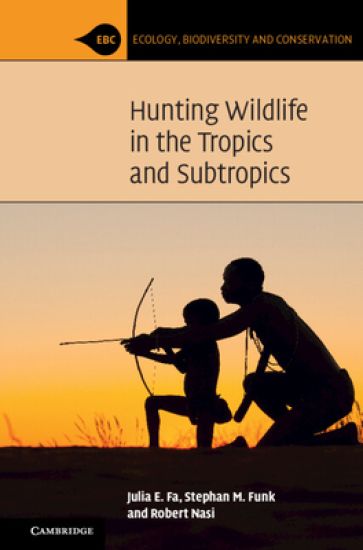
The hunting of wild animals for their meat has been a crucial activity in the evolution of humans. It continues to be an essential source of food and a generator of income for millions of Indigenous and rural communities worldwide. Conservationists rightly fear that excessive hunting of many animal species will cause their demise, as has already happened throughout the Anthropocene. Many species of large mammals and birds have been decimated or annihilated due to overhunting by humans. If such pressures continue, many other species will meet the same fate. Equally, if the use of wildlife resources is to continue by those who depend on it, sustainable practices must be implemented. These communities need to remain or become custodians of the wildlife resources within their lands, for their own well-being as well as for biodiversity in general. This title is also available via Open Access on Cambridge Core.
Hunting Wildlife in the Tropics and Subtropics

Hunting Wildlife in the Tropics and Subtropics

Julia E. Fa; Stephan M. Funk; Robert Nasi

Cambridge University Press
2022
sidottu
The hunting of wild animals for their meat has been a crucial activity in the evolution of humans. It continues to be an essential source of food and a generator of income for millions of Indigenous and rural communities worldwide. Conservationists rightly fear that excessive hunting of many animal species will cause their demise, as has already happened throughout the Anthropocene. Many species of large mammals and birds have been decimated or annihilated due to overhunting by humans. If such pressures continue, many other species will meet the same fate. Equally, if the use of wildlife resources is to continue by those who depend on it, sustainable practices must be implemented. These communities need to remain or become custodians of the wildlife resources within their lands, for their own well-being as well as for biodiversity in general. This title is also available via Open Access on Cambridge Core.
Zoo Conservation Biology

Zoo Conservation Biology

John E. Fa; Stephan M. Funk; Donnamarie O'Connell

Cambridge University Press
2011
pokkari
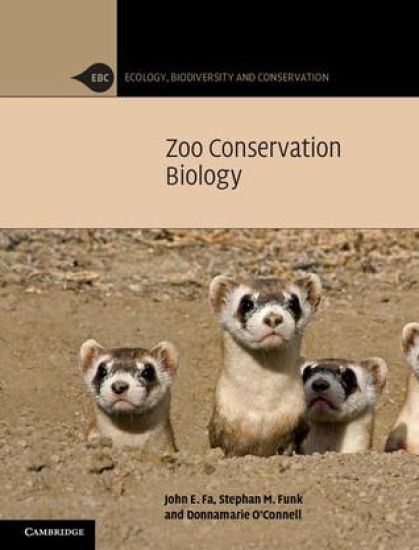
In the face of ever-declining biodiversity, zoos have a major role to play in species conservation. Written by professionals involved in in situ conservation and restoration projects internationally, this is a critical assessment of the contribution of zoos to species conservation through evidence amassed from a wide range of sources. The first part outlines the biodiversity context within which zoos should operate, introducing the origins and global spread of zoos and exploring animal collection composition. The second part focuses on the basic elements of keeping viable captive animal populations. It considers the consequences of captivity on animals, the genetics of captive populations and the performance of zoos in captive breeding. The final part examines ways in which zoos can make a significant difference to conservation now and in the future. Bridging the gap between pure science and applied conservation, this is an ideal resource for both conservation biologists and zoo professionals.
Zoo Conservation Biology

Zoo Conservation Biology

John E. Fa; Stephan M. Funk; Donnamarie O'Connell

Cambridge University Press
2011
sidottu
In the face of ever-declining biodiversity, zoos have a major role to play in species conservation. Written by professionals involved in in situ conservation and restoration projects internationally, this is a critical assessment of the contribution of zoos to species conservation through evidence amassed from a wide range of sources. The first part outlines the biodiversity context within which zoos should operate, introducing the origins and global spread of zoos and exploring animal collection composition. The second part focuses on the basic elements of keeping viable captive animal populations. It considers the consequences of captivity on animals, the genetics of captive populations and the performance of zoos in captive breeding. The final part examines ways in which zoos can make a significant difference to conservation now and in the future. Bridging the gap between pure science and applied conservation, this is an ideal resource for both conservation biologists and zoo professionals.