Kirjojen hintavertailu – 12 859 828 kirjaa ja 27 kauppaa

Kirjailija

Stephanie Ross

Kirjat ja teokset yhdessä paikassa: 6 kirjaa, julkaisuja vuosilta 2001–2025, suosituimpiin kuuluu Building A Better World. Vertaile teosten hintoja ja tarkista saatavuus suomalaisista kirjakaupoista.

6 kirjaa

Kirjojen julkaisuvuodet: 2001–2025.

Shifting Gears

Shifting Gears

Stephanie Ross; Larry Savage

University of British Columbia Press
2025
pokkari
In the decades following the Second World War, autoworkers were at the forefront of the labour movement. Their union urged members to rally in the streets and use the ballot box to effect change for all working-class people. But by the turn of this century, the Canadian Auto Workers union had begun to pursue a more defensive political direction. Shifting Gears traces the evolution of CAW strategy from transformational activism to transactional politics. Class-based collective action and social democratic electoral mobilization gave way to transactional partnerships as relationships between the union, employers, and governments were refashioned. This new approach was maintained when the CAW merged with the Communications, Energy and Paperworkers Union in 2013 to create Unifor, Canada's largest private-sector union. Stephanie Ross and Larry Savage explain how and why the union shifted its political tactics, offering a critical perspective on the current state of working-class politics.
Shifting Gears

Shifting Gears

Stephanie Ross; Larry Savage

University of British Columbia Press
2024
sidottu
In the decades following the Second World War, autoworkers were at the forefront of the labour movement. Their union urged members to rally in the streets and use the ballot box to effect change for all working-class people. But by the turn of this century, the Canadian Auto Workers union had begun to pursue a more defensive political direction. Shifting Gears traces the evolution of CAW strategy from transformational activism to transactional politics. Class-based collective action and social democratic electoral mobilization gave way to transactional partnerships as relationships between the union, employers, and governments were refashioned. This new approach was maintained when the CAW merged with the Communications, Energy and Paperworkers Union in 2013 to create Unifor, Canada's largest private-sector union. Stephanie Ross and Larry Savage explain how and why the union shifted its political tactics, offering a critical perspective on the current state of working-class politics.
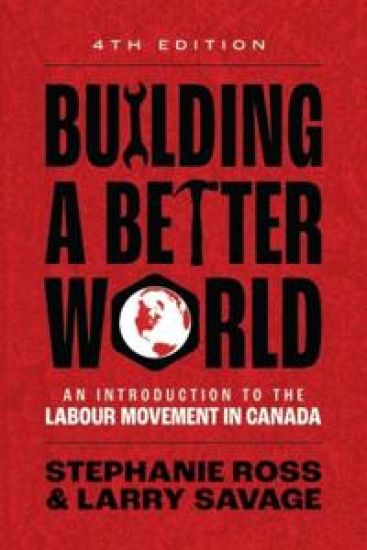
Building A Better World

Building A Better World

Stephanie Ross; Larry Savage

FERNWOOD PUBLISHING CO LTD
2023
nidottu
This fourth edition of Building a Better World offers a comprehensive introductory overview of Canada's labour movement. The book explores why workers form unions; assesses their organization and democratic potential; examines issues related to collective bargaining, grievances and strike activity; charts the historical development of labour unions; and describes the gains unions have achieved for their members and all working people. This new and expanded edition also analyzes the challenges facing today's labour movement as a result of COVID-19 and the strategies being developed to overcome them.
Two Thumbs Up

Two Thumbs Up

Stephanie Ross

University of Chicago Press
2020
sidottu
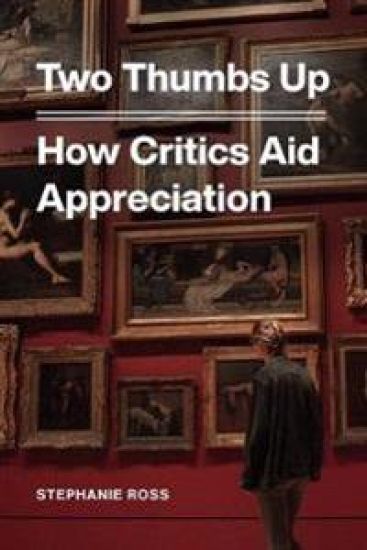
Far from an elite practice reserved for the highly educated, criticism is all around us. We turn to the Yelp reviewers to decide what restaurants are best, to Rotten Tomatoes to guide our movie choices, and to a host of voices on social media for critiques of political candidates, beach resorts, and everything in between. Yet even amid this ever-expanding sea of opinions, professional critics still hold considerable power in guiding how we make aesthetic judgements. Philosophers and lovers of art continue to grapple with questions that have fascinated them for centuries: How should we engage with works of art? What might enhance such encounters? Should some people's views be privileged? Who should count as a critic? And do critics actually help us appreciate art? In Two Thumbs Up, philosopher Stephanie Ross tackles these questions, revealing the ways that critics influence our decisions, and why that's a good thing. Starting from David Hume's conception of ideal critics, Ross refines his position and makes the case that review-based journalistic or consumer reporting criticism proves the best model for helping us find and appreciate quality. She addresses and critiques several other positions and, in the process, she demonstrates how aesthetic and philosophical concerns permeate our lives, choices, and culture. Ultimately, whether we're searching for the right wine or the best concert, Ross encourages us all to find and follow critics whose taste we share.
What Gardens Mean

What Gardens Mean

Stephanie Ross

University of Chicago Press
2001
nidottu
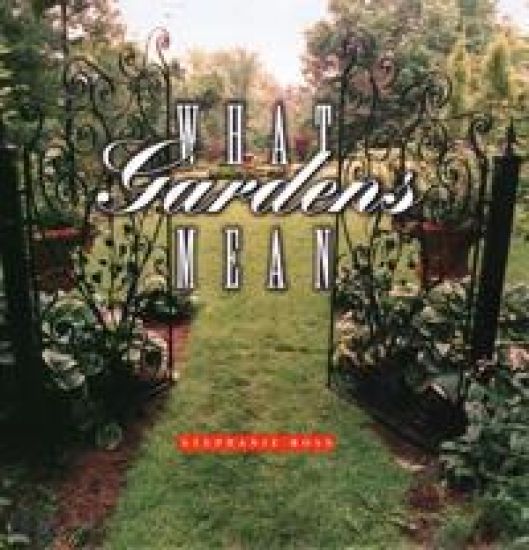
Are gardens works of art? What is involved in creating a garden? How are gardens experienced by those who stroll through them? In What Gardens Mean, Stephanie Ross draws on philosophy as well as the histories of art, gardens, culture, and ideas to explore the magical lure of gardens. Paying special attention to the amazing landscape gardens of eighteenth-century England, she situates gardening among the other fine arts, documenting the complex messages gardens can convey and tracing various connections between gardens and the art of painting. What Gardens Mean offers a distinctive blend of historical and contemporary material, ranging from extensive accounts of famous eighteenth-century gardens to incisive connections with present-day philosophical debates. And while Ross examines aesthetic writings from the seventeenth and eighteenth centuries, including Joseph Addison's Spectator essays on the pleasures of imagination, the book's opening chapter surveys more recent theories about the nature and boundaries of art. She also considers gardens on their own terms, following changes in garden style, analyzing the phenomenal experience of viewing or strolling through a garden, and challenging the claim that the art of gardening is now a dead one. Showing that an artistic lineage can be traced from gardens in the Age of Satire to current environmental installations, this book is a sophisticated account of the myriad pleasures that gardens offer and a testimony to their enduring sensory and cognitive appeal. Beautifully illustrated and elegantly written, What Gardens Mean will delight all those interested in the history of gardens and the aesthetic and philosophical issues that they invite.