
Kirjailija
Stephen Addiss
Kirjat ja teokset yhdessä paikassa: 8 kirjaa, julkaisuja vuosilta 1993–2022, suosituimpiin kuuluu The Art of Zen. Vertaile teosten hintoja ja tarkista saatavuus suomalaisista kirjakaupoista.
8 kirjaa
Kirjojen julkaisuvuodet: 1993–2022.
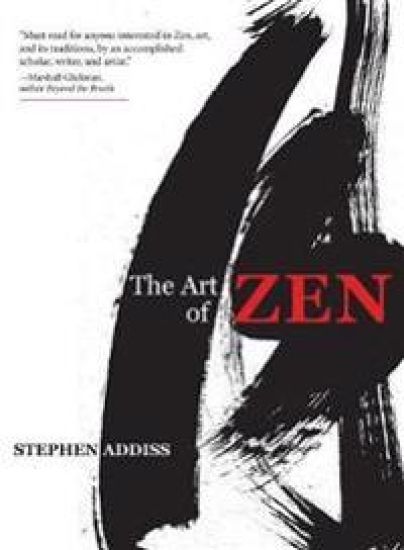
Zen, the practice of seeking and achieving enlightenment, is embodied in art forms as diverse as sand gardens and tea ceremonies. However, the attempt to artistically express the inexpressible finds one of its clearest manifestations in painting. Especially after 1600, more and more Japanese Zen masters began depicting their individual paths to enlightenment with bold, inked brushstrokes of images and calligraphy of Zen subjects and sayings. The result was a visual expression of Zen called Zenga (literally "Zen picture"), the purest possible communication of Zen principles, and often used as an aid in meditation. As practiced by Zen masters, who were expert in calligraphy but not professional artists, the subject matter was often simple, suggestive, and abstract, though sometimes the artists depicted humorous portraits of Zen masters and their followers. With this stunning collection of Zenga masterpieces from the seventeenth to twentieth centuries, prolific author and Professor of Art, Emeritus, at the University of Richmond, Stephen Addiss showcases centuries of great works of Zen calligraphy and painting. Many of the pieces, gathered from Japanese temples, have never been widely seen before. The book also provides a comprehensive introduction to the major Zenga artists, offering extensive, engaging biographies of these awakened monks. Dr. Addiss insightfully describes the history of Japanese Zen art and culture, and includes translations of Zen prose and poems. He also explains the various styles of the fascinating monk-artists, with enriching commentary on their techniques and innovations. These marvelous visual expressions of self-knowledge and enlightenment will delight readers, and perhaps even inspire some to deepen their own spiritual practices.
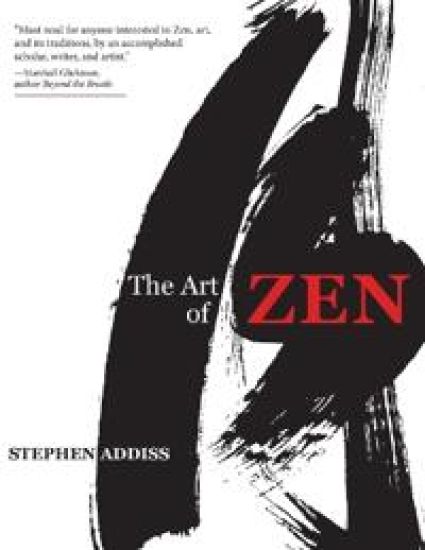
Zen, the practice of seeking and achieving enlightenment, is embodied in art forms as diverse as sand gardens and tea ceremonies. However, the attempt to artistically express the inexpressible finds one of its clearest manifestations in painting. Especially after 1600, more and more Japanese Zen masters began depicting their individual paths to enlightenment with bold, inked brushstrokes of images and calligraphy of Zen subjects and sayings. The result was a visual expression of Zen called Zenga (literally "Zen picture"), the purest possible communication of Zen principles, and often used as an aid in meditation. As practiced by Zen masters, who were expert in calligraphy but not professional artists, the subject matter was often simple, suggestive, and abstract, though sometimes the artists depicted humorous portraits of Zen masters and their followers. With this stunning collection of Zenga masterpieces from the seventeenth to twentieth centuries, prolific author and Professor of Art, Emeritus, at the University of Richmond, Stephen Addiss showcases centuries of great works of Zen calligraphy and painting. Many of the pieces, gathered from Japanese temples, have never been widely seen before. The book also provides a comprehensive introduction to the major Zenga artists, offering extensive, engaging biographies of these awakened monks. Dr. Addiss insightfully describes the history of Japanese Zen art and culture, and includes translations of Zen prose and poems. He also explains the various styles of the fascinating monk-artists, with enriching commentary on their techniques and innovations. These marvelous visual expressions of self-knowledge and enlightenment will delight readers, and perhaps even inspire some to deepen their own spiritual practices.
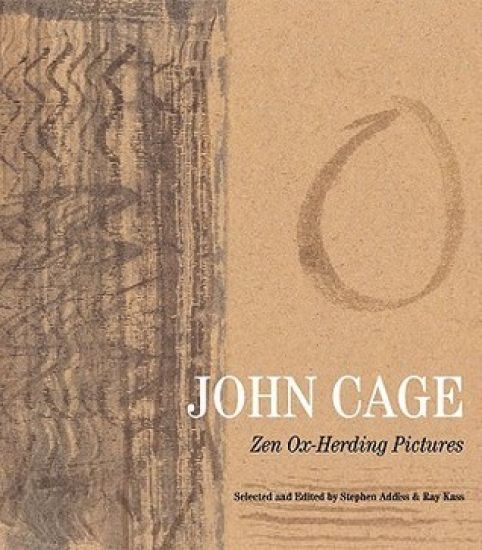
"John Cage: The Zen Ox-Herding Pictures" brings together fifty never-before-seen watercolour images from renowned artist and composer John Cage, revealing the powerful influence of Zen in his life and work. These pieces were originally created on paper towels at the 1988 Mountain Lake Workshop as Cage experimented with the flow and tone of colours from his brush as he prepared for larger works. Authors Stephen Addiss and Ray Kass unite them here in patterns both planned and dictated by chance, the same methods by which Cage himself composed his later works. Ray Kass and Stephen Addiss provide introductory essays, discussing their experience with the works and the artist himself. They also explore fragments of Cage's poetry and his many statements about Zen practice, providing a fascinating lens through which the images seem to become mysterious echoes of the centuries-old "Ten Ox-Herding Paintings" - images about searching for, finding, and returning from the path to enlightenment.
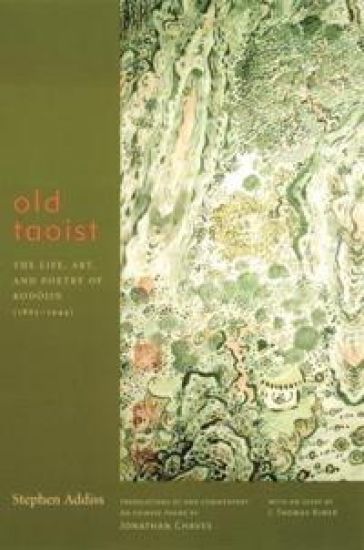
In the literary and artistic milieu of early modern Japan the Chinese and Japanese arts flourished side by side. Kodojin, the "Old Taoist" (1865-1944), was the last of these great poet-painters in Japan. Under the support of various patrons, he composed a number of Taoist-influenced Chinese and Japanese poems and did lively and delightful ink paintings, continuing the tradition of the poet-sage who devotes himself to study of the ancients, lives quietly and modestly, and creates art primarily for himself and his friends. Portraying this last representative of a tradition of gentle and refined artistry in the midst of a society that valued economic growth and national achievement above all, this beautifully illustrated book brings together 150 of Kodojin's Chinese poems (introduced and translated by Jonathan Chaves), more than 100 of his haiku and tanka (introduced and translated by Stephen Addiss), and many examples of his calligraphy and ink paintings. Addiss's in-depth introduction details the importance of the poet-painter tradition, outlines the life of Kodojin, and offers a critical appraisal of his work, while J. Thomas Rimer's essay puts the literary work of the Old Taoist in context.
Guided by Stephen Addiss's grounding in art history scholarship and Mary Erickson's expertise in art education theory and practice, this volume approaches the issue of teaching art history from theoretical and philosophical as well as practical and political standpoints. In the first section, Addiss raises issues about the discipline of art history. In the second, Erickson examines proposals about how art history can be incorporated into the general education of children and offers some curriculum guides and lesson plans for art educators.