Kirjojen hintavertailu – 12 903 724 kirjaa ja 27 kauppaa

Kirjailija

Stephen G. Tibbetts

Kirjat ja teokset yhdessä paikassa: 5 kirjaa, julkaisuja vuosilta 2008–2024, suosituimpiin kuuluu Criminals in the Making. Vertaile teosten hintoja ja tarkista saatavuus suomalaisista kirjakaupoista.

5 kirjaa

Kirjojen julkaisuvuodet: 2008–2024.

Introduction to Criminology: Why Do They Do It?

Introduction to Criminology: Why Do They Do It?

Pamela J. Schram; Joseph A. Schwartz; Stephen G. Tibbetts

Sage Publications, Inc
2024
nidottu
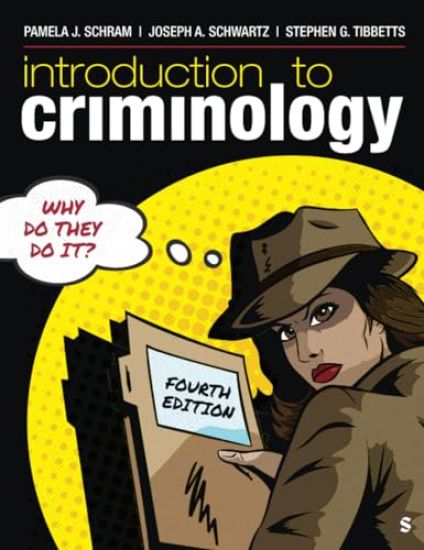
Introduction to Criminology: Why Do They Do It? offers a contemporary and integrated discussion of key criminological theories to help students understand crime in the 21st century. Focusing on why offenders commit crimes, authors Pamela J. Schram, Joseph A. Schwartz, and Stephen G. Tibbetts apply established theories to real-life examples to explain criminal behavior. Coverage of violent and property crimes is included throughout theory chapters so that students can clearly understand the application of theory to criminal behavior. Updates to the Fourth Edition include recent major social events, such as the George Floyd protests; changes in crime trends and criminal behavior as a result of the COVID-19 pandemic; updated crime statistics, case studies, as well as contemporary topics, such as mass shooting events and the legalization of marijuana use.
Criminological Theory

Criminological Theory

Stephen G. Tibbetts; Alex R. Piquero

SAGE PUBLICATIONS INC
2022
nidottu

Halvin toimitettuna 145,20 €

Criminological Theory: The Essentials, Fourth Edition by Stephen G. Tibbetts and Alex R. Piquero is a brief yet comprehensive overview of the major concepts and perspectives of the key theories in the evolution of criminology. Putting criminological theory in context, the acclaimed authors examine policy implications brought about by theoretical perspectives to show students the practical application of theories to contemporary social problems. The new edition has been thoroughly updated with the latest theoretical extensions and empirical research, with links made to specific theories and recent events.
Criminological Theory

Criminological Theory

Stephen G. Tibbetts; Craig T. Hemmens

SAGE Publications Inc
2018
nidottu
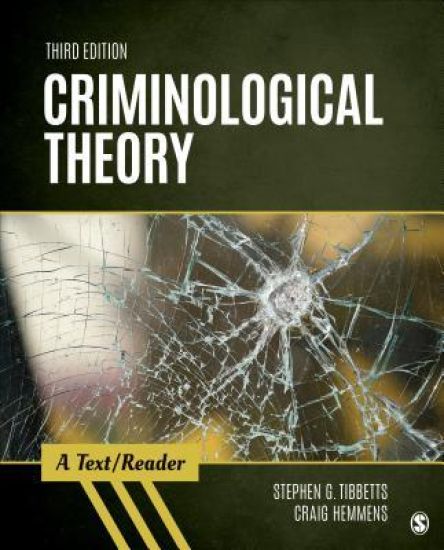
"Arguably, the complete package. A very good overview of topics and additional learning opportunities together with research articles all in one place. This book is a ‘one-stop shop.’" —Stuart Agnew, University of Suffolk Criminological Theory: A Text/Reader, Third Edition helps students understand criminological theory, with each authored section of the text enhanced by empirical research articles that put theory into context. Key criminological theories are introduced and followed by articles that show how criminological theory can be applied to current policies, challenges, and issues, making it easier for students to connect theory and application. New to the Third Edition: Updated journal articles introduce students to important topics, such as media consumption and support for capital punishment, gender differences in delinquency, bias and police stops, and the effectiveness of reintegrative shaming and restorative justice. A new section dedicated entirely to feminist perspectives introduces students to feminist models of crime and underscores the importance of examining research related to female offending. A stronger global view integrated throughout the book increases students’ exposure to criminological research and theory across nations and continents. Several of the new readings are written by authors or use samples from outside the United States, including South Africa, Brazil, Canada, Korea, and more. New case studies examine offender motives to help students apply the theories discussed to interesting and memorable examples. Policy is now integrated into each section, allowing students to see the practical policy implications of each theory. Coverage of critical topics has been expanded throughout to introduce students to important issues, such as the influence of employment on criminal behavior, the success of school programs in reducing delinquent behavior, and federal sentencing guidelines in regard to crack versus powder cocaine. Statistics, graphs, and tables have all been updated to demonstrate the most recent trends in criminology.
Criminals in the Making

Criminals in the Making

John Paul Wright; Stephen G. Tibbetts; Leah E. Daigle

SAGE Publications Inc
2014
nidottu
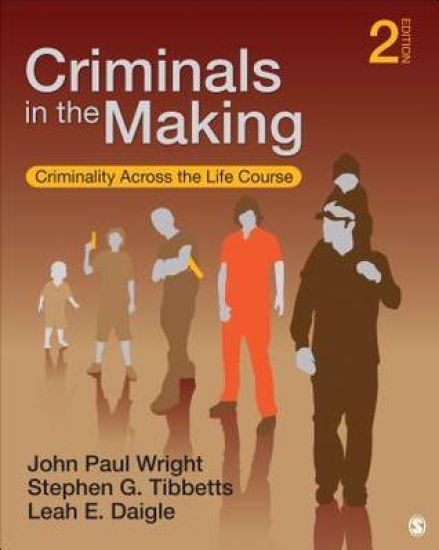
Why do individuals exposed to the same environment turn out so differently, with some engaging in crime and others abiding by societal rules and norms? Why are males involved in violent crime more often than females? And why do the precursors of serious pathological behavior typically emerge in childhood? This fascinating text addresses key questions surrounding criminal propensity by discussing studies of the life-course perspective—criminological research that links biological factors associated with criminality with the social and environmental agents thought to cause, facilitate, or otherwise influence a tendency towards criminal activity. The book provides comprehensive, interdisciplinary coverage of the current thinking in the field about criminal behavior over the course of a lifetime. Additionally, it highlights interventions proven effective and illustrates how the life-course perspective has contributed to a greater understanding of the causes of crime.
Criminals in the Making

Criminals in the Making

John Paul Wright; Stephen G. Tibbetts; Leah E. Daigle

SAGE Publications Inc
2008
sidottu
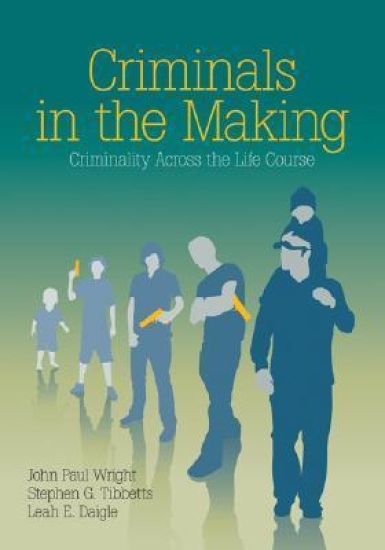
Congratulations to Steve Tibbetts, winner of the Outstanding Professional Development Award at CSU-San Bernadino!" This book is interesting, informative, comprehensive, and—more importantly for students of criminology—accessible." —Robert Apel, University at Albany "Without doubt, Criminals in the Making will spark debate, incite controversy and challenge mainstream criminological understanding."—THEORETICAL CRIMINOLOGYWhy do individuals exposed to the same environment turn out so differently, with some engaging in crime and others abiding by societal rules and norms? Why are males involved in violent crime more often than females? And why do the precursors of serious pathological behavior typically emerge in childhood? The authors of this text address key questions surrounding criminal propensity by discussing studies of the life-course perspective—criminological research linking biological factors associated with criminality and social environmental agents thought to cause, facilitate, or otherwise influence one's tendency towards criminal activity. The text offers a comprehensive, interdisciplinary understanding of the current thinking in the field about criminal behavior over the course of a lifetime and ends on a positive note, highlighting interventions proven effective and illustrating how the life-course perspective has contributed to a greater understanding of the causes of crime. Key Features and Benefits Includes a recurring boxed feature on the thief 'Stanley,' adapted from Clifford Shaw's classic case study that was published in a well-known book entitled "The Jack-Roller: A Delinquent Boy's Own Story" to clarify the life-course concept Provides numerous helpful illustrations of the brain and nervous system to illustrate biological concepts, Addresses interesting issues such as the impact of lead on brain development and the limits of parental influences in boxed inserts throughout the book Features policy recommendations and initiatives for the prevention of crime in the concluding chapter to spark classroom discussion and guide future student research Intended Audience: Designed for upper-level undergraduate and graduate students in criminal justice and criminology, sociology, and psychology programs, this groundbreaking supplement provides novel insights into criminal pathology for courses such as Criminological Theory and Introduction to Criminology. "I think this is going to be an important book, one that generates discussion and maybe even motivates criminology to become more scientific. This book will force people to reassess their understanding of crime and see how many known facts of crime are illusory once biological concepts are considered." —Matt DeLisi, Iowa State University