Kirjojen hintavertailu – 12 903 725 kirjaa ja 27 kauppaa
Kirjailija
Stephen Hart
Kirjat ja teokset yhdessä paikassa: 27 kirjaa, julkaisuja vuosilta 1996–2025, suosituimpiin kuuluu Psykopati. Vertaile teosten hintoja ja tarkista saatavuus suomalaisista kirjakaupoista.
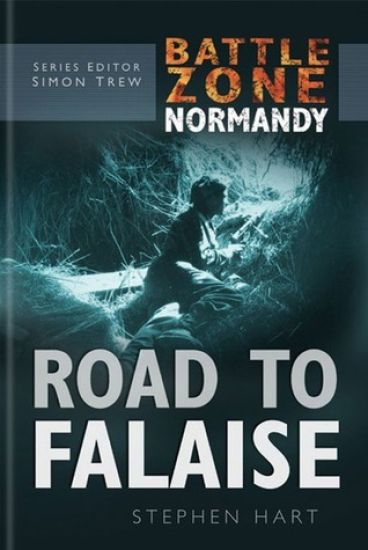
In August 1944, Lieutenant-General Guy G. Simonds' II Canadian Corps launched two set-piece offensives, Operations Totalize and Tractable, in order to prevent the German Seventh Army's escape and seal the pocket completely. Despite fierce German resistance, Canadian infantry embussed in armoured vehicles alongside the tanks swiftly penetrated the entire depth of the German defences.
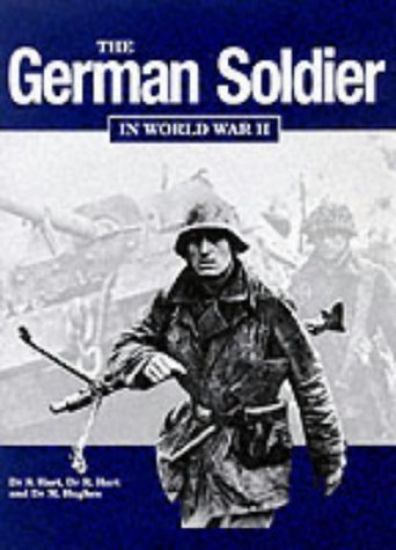
Copiously illustrated and with many colour maps, here is a comprehensive and detailed survey of Hitler's army, covering all aspects from the men to the campaigns to the command structure and to the hardware. - Compelling history of one of the greatest modern fighting forces. - The basic structure of the book is chronological, but in telling the story of the campaigns of the Germany Army, The Wehrmacht, through the use of boxes annotated with explanatory artworks, analyses in detail the tactics of the armies, corps and divisions of the Germany Army, such as the Blitzkrieg and the concept of mobile defence used so successfully during the latter stages of the war. - Examines the key moments of success and crisis, covering the creation of the machine, the years of attack, the nature of the army, the years of defence and the hardware used. - Explains why the German soldier was so successful in World War II. - Command and control explained in full. - Detailed orders of battle of German armies on all fronts in World War II. - Organisation and tactics of German field divisions included. - Line artworks of all major items of hardware in use with the Germany army. - Colour diagrams illustrate battles and actions.
A reinterpretation of the British Army's conduct in the crucial 1944-45 Northwest Europe campaign, this work examines systematically the Colossal Cracks operational technique employed by Montgomery's Anglo-Canadian 21st Army Group and demonstrates the key significance that morale and casualty concerns exerted on this technique. To ensure a full understanding of the campaign, one needs to look not only at Montgomery's methods but at those of his army commanders, Dempsey and Crerar; thus, this study addresses the scant attention to date paid to these two figures. Hart suggests that Montgomery and his two senior subordinates handled this formation more effectively than some scholars have suggested. In fact, Colossal Cracks, the concentration of massive force at a point of German weakness, represented the most appropriate weapon the 1944 British Army could develop under the circumstances. Previous studies have been characterized by an overemphasis on Montgomery's role in the campaign, rather than a systematic examination of overall British methods. They have ignored the difficulties that the 1944 British Army faced given its manpower shortage, and they have underestimated the appropriateness of Monty's methods to the campaign war aims that Britain pursued: namely, the desire that Britain's modest military forces secure a high profile within a larger Allied effort. The cautious, firepower-laden approach used by the 21st Army Group was both crude and a double-edged sword; however, despite these weaknesses, Colossal Cracks represented an appropriate technique given the nature of British war aims and the relative capabilities of the forces involved. It proved to be just enough to defeat the Germans and keep alive British hopes that her war aims might be achieved.
A graphic portrayal of the life of private soldiers, the authors convey every aspect of what it was like to fight for the German Army during World War Two. The book is based on first-hand accounts by veterans who served during the War.
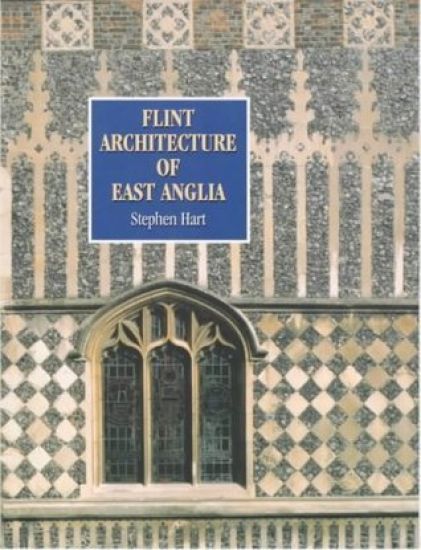
East Anglia has a unique and very substantial heritage of flint-built churches and secular buildings over a wide area that range from Saxon times to the 20th century, many of them of exceptional beauty, and most in a good state of preservation. Stephen Hart considers that these buildings, in which a large number of different flintwork techniques and designs are used that are partly functional, partly dependent upon local materials and partly aesthetic in inspiration, constitute an important part of our heritage. It has only been scantily treated in previous works. His book is the first comprehensive one to be written on English flint architecture and is likely to become the definitive work on the subject. He shows that, although some of these techniques and designs are also to be found in other chalkland regions of England, including Hampshire, Sussex (e.g. Goodwood House), Kent, Wiltshire and Dorset, the greatest variety is in East Anglia. He has devised a classification system based on analysis of the materials and workmanship in flintwork which distinguishes between different types of flint, including flint combined with brick and stone. The numerous colour plates and black and white photographs convey the fascinating multiplicity of styles to be found, some of them reminiscent of the work of contemporary artists like Richard Long, and the virtuoso skills of the craftsmen who created them. There is a deeper consciousness and wider appreciation of vernacular architecture today in Britain than there has ever been, and the book could well inspire people to explore new possibilities in the use of flint architecture. Apart from its general appeal, it is a book that will strike a particular chord among architects, designers, craftsmen, local historians, artists and regional councils responsible for planning and conservation.
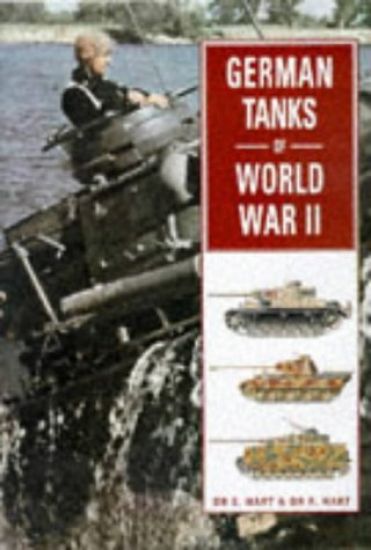
Doctors S. & R. Hart present a detailed reference directory, illustrated throughout with colour artworks and black-and-white photographs of all the main German tracked armoured fighting vehicles.
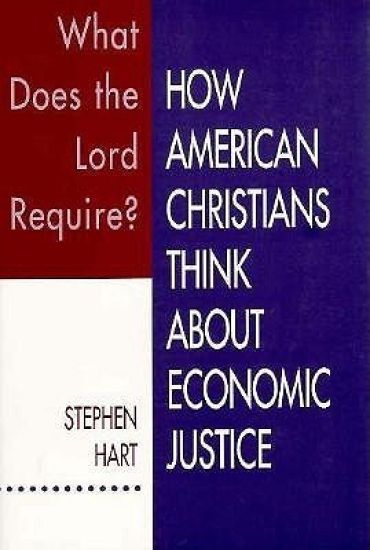
In this engaging and lively book, Stephen Hart paints a rich portrait of how everyday Christians connect their faith to political issues like economic equality, government intervention, and the rights of private enterprise. Drawing on interviews with forty-seven "ordinary" Christians--Roman Catholics, Evangelical and Pentecostal Protestants, mainline Protestants, and others--Hart argues that Christians do not always learn a conservative political perspective from their religion, as is often the stereotype. Rather, Christian traditions provide a reservoir of resources that supports such varied values as equality, community, individuality, and freedom. Hart profiles these individuals and allows them to explain in their own words how they use these values to formulate views on social justice issues, supporting political positions ranging from left to right. Hart also provides a new way of understanding how religion affects public discourse. This first paperback edition includes a new analysis of recent trends in religious politics, including the religious right and religiously-based movements for peace and justice.