Kirjojen hintavertailu – 12 903 725 kirjaa ja 27 kauppaa

Kirjailija

Stephen Hupp

Kirjat ja teokset yhdessä paikassa: 5 kirjaa, julkaisuja vuosilta 2015–2019, suosituimpiin kuuluu Thinking Critically About Child Development. Vertaile teosten hintoja ja tarkista saatavuus suomalaisista kirjakaupoista.

5 kirjaa

Kirjojen julkaisuvuodet: 2015–2019.

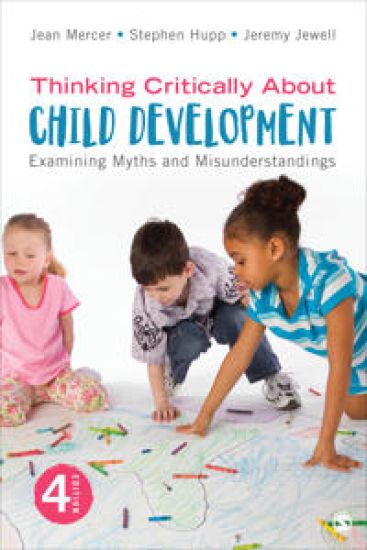
Thinking Critically About Child Development

Thinking Critically About Child Development

Jean A. Mercer; Stephen Hupp; Jeremy D. Jewell

SAGE Publications Inc
2019
nidottu
With a unique focus on inquiry, Thinking Critically About Child Development presents 74 claims related to child development for readers to examine and think through critically. Author Jean Mercer and new co-authors Stephen Hupp and Jeremy Jewell use anecdotes to illustrate common errors of critical thinking and encourage students to consider evidence and logic relevant to everyday beliefs. New material in the Fourth Edition covers adolescence, adverse childhood experiences, genetics, LGBT issues for both parents and children, and other issues about sexuality, keeping readers up to date on the latest scholarship in the field.

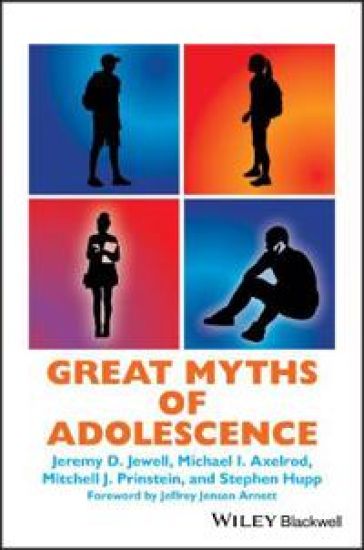
Great Myths of Adolescence

Great Myths of Adolescence

Jeremy D. Jewell; Michael I. Axelrod; Mitchell J. Prinstein; Stephen Hupp; Jeffrey Jensen Arnett

Wiley-Blackwell
2018
sidottu
A research-based guide to debunking commonly misunderstood myths about adolescence Great Myths of Adolescence contains the evidence-based science that debunks the myths and commonly held misconceptions concerning adolescence. The book explores myths related to sex, drugs and self-control, as well as many others. The authors define each myth, identify each myth's prevalence and present the latest and most significant research debunking the myth. The text is grounded in the authors’ own research on the prevalence of belief in each myth, from the perspective of college students. Additionally, various pop culture icons that have helped propagate the myths are discussed. Written by noted experts, the book explores a wealth of topics including: The teen brain is fully developed by 18; Greek life has a negative effect on college students academically; significant mood disruptions in adolescence are inevitable; the millennial generation is lazy; and much more. This important resource: Shatters commonly held and topical myths relating to gender, education, technology, sex, crime and moreBased in empirical and up-to-date research including the authors' ownLinks each myth to icons of pop culture who/which have helped propagate themDiscusses why myths are harmful and best practices related to the various topicsA volume in the popular Great Myths of Psychology series Written for undergraduate students studying psychology modules in Adolescence and developmental psychology, students studying childhood studies and education studies, Great Myths of Adolescence offers an important guide that debunks misconceptions about adolescence behavior. This book also pairs well with another book by two of the authors, Great Myths of Child Development.
Great Myths of Adolescence

Great Myths of Adolescence

Jeremy D. Jewell; Michael I. Axelrod; Mitchell J. Prinstein; Stephen Hupp; Jeffrey Jensen Arnett

Wiley-Blackwell
2018
nidottu
A research-based guide to debunking commonly misunderstood myths about adolescence Great Myths of Adolescence contains the evidence-based science that debunks the myths and commonly held misconceptions concerning adolescence. The book explores myths related to sex, drugs and self-control, as well as many others. The authors define each myth, identify each myth's prevalence and present the latest and most significant research debunking the myth. The text is grounded in the authors’ own research on the prevalence of belief in each myth, from the perspective of college students. Additionally, various pop culture icons that have helped propagate the myths are discussed. Written by noted experts, the book explores a wealth of topics including: The teen brain is fully developed by 18; Greek life has a negative effect on college students academically; significant mood disruptions in adolescence are inevitable; the millennial generation is lazy; and much more. This important resource: Shatters commonly held and topical myths relating to gender, education, technology, sex, crime and moreBased in empirical and up-to-date research including the authors' ownLinks each myth to icons of pop culture who/which have helped propagate themDiscusses why myths are harmful and best practices related to the various topicsA volume in the popular Great Myths of Psychology series Written for undergraduate students studying psychology modules in Adolescence and developmental psychology, students studying childhood studies and education studies, Great Myths of Adolescence offers an important guide that debunks misconceptions about adolescence behavior. This book also pairs well with another book by two of the authors, Great Myths of Child Development.
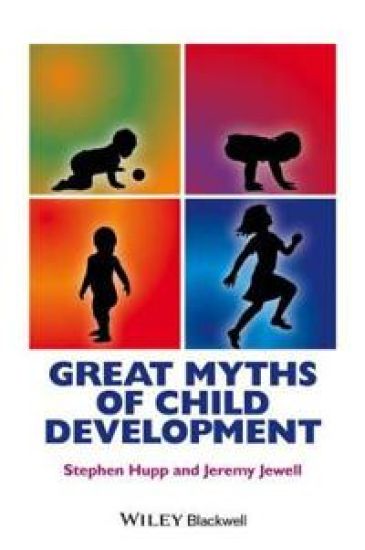
Great Myths of Child Development

Great Myths of Child Development

Stephen Hupp; Jeremy D. Jewell

John Wiley Sons Inc
2015
sidottu
Great Myths of Child Development reveals the latest evidence-based science behind the myths and misconceptions about the developing child. Shatters the most commonly-held child development mythsReveals the science behind such topical issues as twin-telepathy, sex-prediction, and imaginary friendsCovers hot-button issues like childhood vaccines, spankings, “time-outs,” and breastfeeding of older childrenFeatures numerous pop culture references and examples drawn from popular TV shows and movies, such as Duck Dynasty, Modern Family and Mad MenPoints to a wealth of supplementary resources for interested parents—from evidence-based treatments and self-help books to relevant websites
Great Myths of Child Development

Great Myths of Child Development

Stephen Hupp; Jeremy D. Jewell

John Wiley Sons Inc
2015
nidottu
Great Myths of Child Development reveals the latest evidence-based science behind the myths and misconceptions about the developing child. Shatters the most commonly-held child development mythsReveals the science behind such topical issues as twin-telepathy, sex-prediction, and imaginary friendsCovers hot-button issues like childhood vaccines, spankings, “time-outs,” and breastfeeding of older childrenFeatures numerous pop culture references and examples drawn from popular TV shows and movies, such as Duck Dynasty, Modern Family and Mad MenPoints to a wealth of supplementary resources for interested parents—from evidence-based treatments and self-help books to relevant websites