Kirjojen hintavertailu – 12 903 725 kirjaa ja 27 kauppaa

Kirjailija

Stephen Jeffery-Poulter

Kirjat ja teokset yhdessä paikassa: 5 kirjaa, julkaisuja vuosilta 2010–2013, suosituimpiin kuuluu Hertford Through Time. Vertaile teosten hintoja ja tarkista saatavuus suomalaisista kirjakaupoista.

5 kirjaa

Kirjojen julkaisuvuodet: 2010–2013.

Bedfordshire Through Time

Bedfordshire Through Time

Stephen Jeffery-Poulter

Amberley Publishing
2013
nidottu
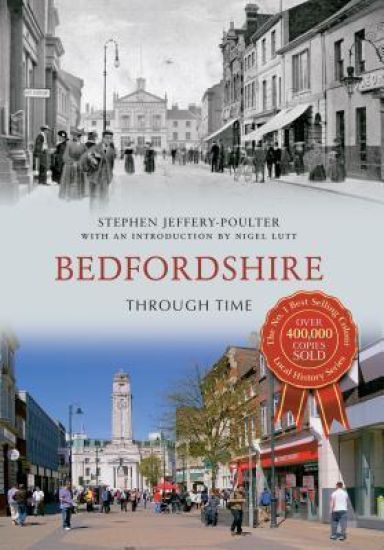
Bedfordshire Through Time contains delightful period photographs of the towns and villages in this rural county. These images have been sourced mainly from the Sandy Chrystal postcard collection held by Bedfordshire & Luton Archives & Records Service - many being published for the first time. The contrasting modern colour pictures provide accessible and interesting insights into the many changes that have taken place over decades. The book also features extracts from a range of guidebooks and historical publications by authors such as journalist Arthur Mee and historian C. Gore Chambers, which appeared in the first fifty years of the last century when the original pictures were taken. While the major towns of Luton and Bedford have suffered from modernisation, most of this county's heritage has been left largely untouched for us to enjoy today.
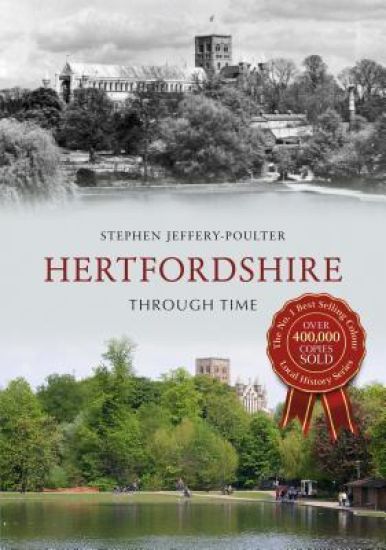
Hertfordshire Through Time

Hertfordshire Through Time

Stephen Jeffery-Poulter

Amberley Publishing
2013
nidottu
It was in Hertfordshire, at Berkhamsted, that the English surrendered to William the Conqueror in 1066 - a turning point in the story of the kingdom. Ever since, the evolution of Hertfordshire has been influenced by the crown and capital. Proximity to London enabled its characteristic market towns to develop - to supply the inhabitants of the city with produce, and to provide sustenance and lodgings for those travelling to and from the provinces. This of course included the monarch, for as well as the royal residence at Berkhamsted there was a royal staging post at King's Langley. In more recent years, this close relationship has proved both a blessing and a curse. The level of urban development in Hertfordshire has rocketed as commuting has become the norm. However, this in turn led to the construction of the world's first garden city - Letchworth - putting the county at the vanguard of revolutionary social development. Furthermore, its unique position and character have also put it at the centre of popular culture, with Hertfordshire providing the setting for novels by Austen and Orwell, and more recently for blockbuster films such as Star Wars and Harry Potter, at the county's famous Elstree and Leavesden studios.
Hertford Through Time

Hertford Through Time

Peter Ruffles; Jean Purkis; Stephen Jeffery-Poulter

Amberley Publishing
2011
nidottu
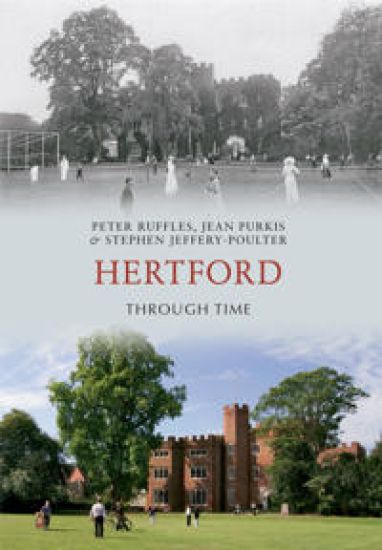
Located in the heart of the Home Counties, Hertford has retained its identity as the administrative capital of 'The Shire of Hertford' for 1,000 years and yet has managed to remain a small, almost 'self-sufficient' town. The arable land surrounding Hertford led to the creation of its staple industry of brewing, with mills and maltings dominating the sky-line alongside civic buildings and private homes when many of the early photographs in this book were taken over a century ago. The book contains period photographs, many being published here for the very first time, which have mainly been sourced from Hertford Museum's extensive archive. The contrasting illustrations provide an accessible and interesting way of seeing the extraordinary changes that have taken place in this charming and historic market town over a century or more of evolution, expansion and re-development.
Hoddesdon & Broxbourne Through Time

Hoddesdon & Broxbourne Through Time

David Dent; Sue Garside; Stephen Jeffery-Poulter

Amberley Publishing
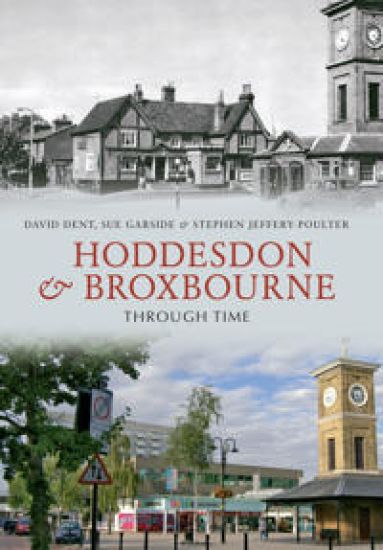
2010
nidottu
Hoddesdon really came into its own between the sixteenth and mid nineteenth centuries as a coaching town providing a welcome stopping place for travellers from London setting out on the Old North Road. Broxbourne, just to the south, was a smaller and more rural settlement focused around the church and manor house until the coming of the railway in 1840 began the process of gradual suburbanisation that has continued ever since. The contrasting illustrations provide an accessible and interesting way of seeing the extraordinary changes that have taken place in the two towns over a century or more of evolution, expansion and re-development. The period photos, the majority of which are being published for the very first time, have mainly been sourced from Lowewood Museum's extensive archive.